 Save
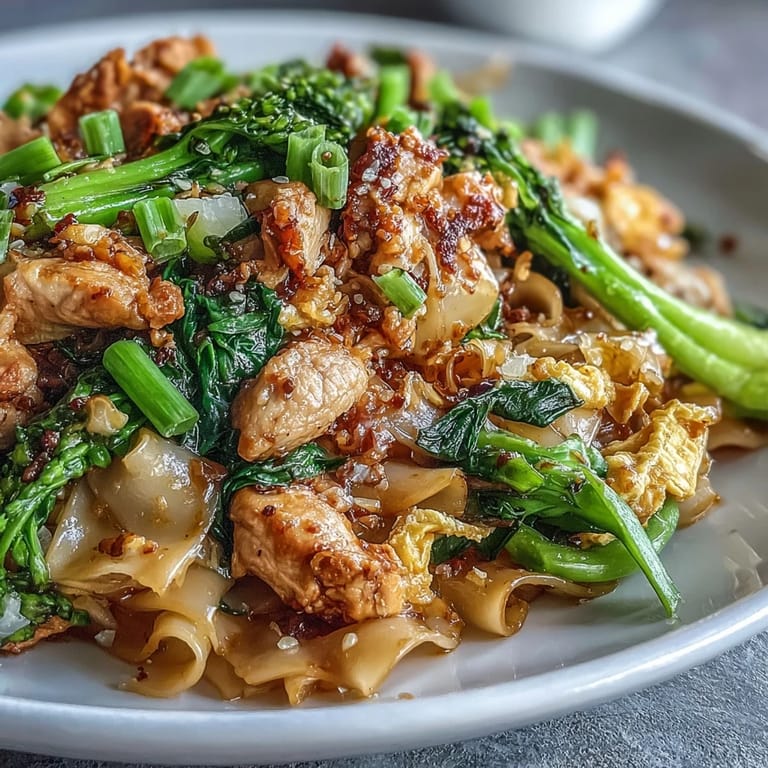
Save The first time I watched a street vendor in Bangkok make Pad See Ew, I stood mesmerized for twenty minutes as he danced around his wok, flames leaping toward the sky. The aroma of charred noodles mixed with garlic hit me from half a block away, and I knew I had to learn this. It took me dozens of attempts to get that smoky, restaurant-quality flavor at home, but now this recipe is my go-to for when I need serious comfort food.
Last winter, my roommate came home sick and I made a giant batch of Pad See Ew to nurse her back to health. She took one bite and immediately perked up, declaring it better than our favorite Thai spot downtown. Now she requests it every time shes feeling under the weather, and honestly, I love any excuse to make it.
Ingredients
- Dried wide rice stick noodles (200g / 7 oz) or fresh wide flat rice noodles (450g / 15 oz): Wide noodles are essential here, they hold onto the sauce better than thin ones and give you that authentic chewy texture. Fresh noodles are ideal but dried work beautifully if you soak them properly.
- Boneless skinless chicken thighs (1 cup / 150g / 5 oz), thinly sliced: Thighs stay tender and juicy even over high heat, unlike breasts which can dry out quickly in a stir-fry.
- Chinese broccoli (gai lan), 4 stems: This adds a perfect crunch and slight bitterness that cuts through the rich sauce. The stems and leaves cook at different rates, so cutting them separately is a game-changer.
- 1 large egg: The egg creates silky ribbons throughout the noodles, adding richness and binding everything together.
- Dark soy sauce (2 tsp), oyster sauce (1½ tbsp), light soy sauce (1 tbsp), white vinegar (2 tsp), sugar (2 tsp): This sauce combination is non-negotiable. Dark soy gives that gorgeous caramel color, oyster sauce adds depth, light soy brings saltiness, vinegar cuts the richness, and sugar balances everything.
- Garlic (2 cloves), very finely chopped, and peanut or vegetable oil (3 tbsp), divided: Finely minced garlic releases its flavor faster in the quick cooking process. Using oil in stages keeps everything from getting greasy.
Tired of Takeout? 🥡
Get 10 meals you can make faster than delivery arrives. Seriously.
One email. No spam. Unsubscribe anytime.
Instructions
- Get those noodles ready:
- If you are using dried rice noodles, soak them in warm water for about 30 minutes until they are pliable but still have some firmness to them, then drain well. Fresh noodles just need to be gently separated so they do not clump together.
- Whisk up your sauce:
- In a small bowl, combine the dark soy sauce, oyster sauce, light soy sauce, white vinegar, and sugar. Stir until the sugar completely dissolves, which will help it coat the noodles evenly later.
- Prep your Chinese broccoli:
- Cut the stems into 2-inch pieces and keep the leaves in larger sections, since the stems need more time to cook while the leaves wilt quickly.
- Sear the chicken:
- Heat 1 tablespoon of oil in a wok or large skillet over high heat until it is shimmering. Add the sliced chicken and stir-fry until it is just cooked through, then remove it and set aside on a plate.
- Cook the broccoli:
- In the same wok, add another tablespoon of oil and toss in the broccoli stems first. Stir-fry them for 1 minute, then add the leaves and cook until they just start to wilt. Remove and set aside with the chicken.
- Scramble the egg:
- Add the remaining tablespoon of oil to the wok and toss in the garlic, sautéing for just a few seconds until it becomes fragrant. Crack in the egg and scramble it quickly until it is just set but still soft.
- Combine everything:
- Add the noodles to the wok and pour the sauce over them. Toss everything vigorously so the noodles get coated in sauce and start to pick up some color.
- Bring it all home:
- Return the chicken and Chinese broccoli to the wok and stir-fry everything together for 1 to 2 minutes until it is all hot and well combined. Serve immediately while the noodles are still steaming.
 Save
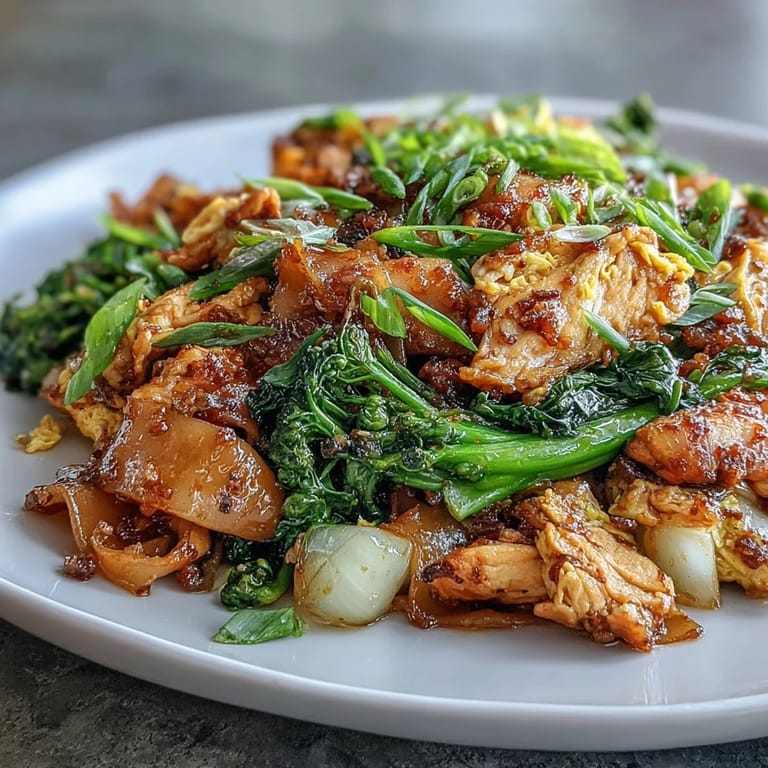
Save My friend from Thailand told me that the secret to restaurant-style Pad See Ew is cooking with confidence and speed, something I am still working on. Every time I make this now, I think of her laughing at my hesitation in those early days, then proudly taking seconds when I finally got it right.
Finding the Right Noodles
I have spent hours in Asian markets searching for the perfect wide rice noodles, and fresh ones really do make a difference. Look for noodles labeled pad thai or sen yai, which are the traditional width for this dish. If you can only find dried ones, do not worry, just make sure they are wide rather than thin rice sticks.
Protein Substitutions
While chicken thighs are my go-to for their tenderness, I have made this with sliced pork, beef, shrimp, and even tofu when my vegetarian sister visits. Each protein brings something slightly different, and the cooking time stays about the same.
Serving Suggestions
A squeeze of fresh lime right before eating brightens everything and cuts through the richness of the sauce. I also like to serve this with some crushed dried chili on the side for anyone who wants extra heat.
- Thai chili vinegar adds a perfect acidic punch
- Fried eggs on top make this a complete meal
- Cold Thai beer is the ideal pairing
 Save
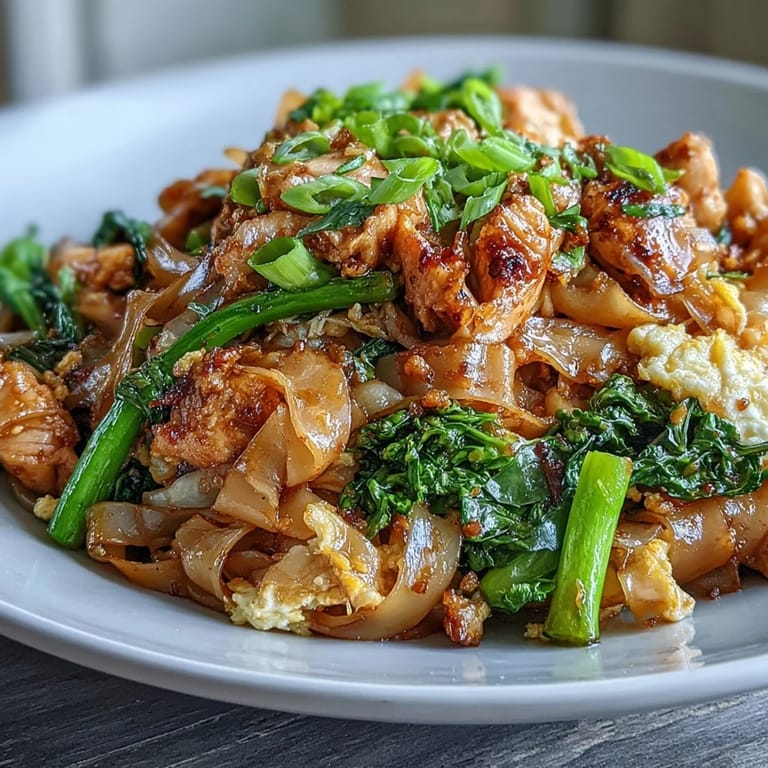
Save There is something deeply satisfying about creating a dish that tastes like it came from a street cart halfway across the world. I hope this recipe brings as much joy to your kitchen as it has to mine.
Recipe FAQs
- → What makes Pad See Ew different from other Thai noodle dishes?
Pad See Ew features wide rice noodles stir-fried over high heat until slightly charred, creating a distinct smoky flavor. The sauce combines dark soy for color and sweetness with light soy and oyster sauce, unlike the tamarind-based Pad Thai sauce. The noodles are chewier and thicker, coated in a rich, caramelized glaze rather than a tangy dressing.
- → Can I use fresh rice noodles instead of dried?
Absolutely. Fresh wide rice noodles are actually traditional and preferred—they're more tender and cook faster. Simply separate the noodles gently before adding to the wok. Fresh noodles typically only need 1-2 minutes of tossing with the sauce, whereas dried noodles need the soaking step to achieve the right texture without becoming mushy.
- → What protein substitutions work well?
Thinly sliced beef, pork, shrimp, or firm tofu all work beautifully. Beef and pork benefit from the high-heat cooking and develop nice char. Shrimp cooks quickly—add it during the final minute of tossing. For tofu, use extra-firm varieties and pan-fry separately before combining to prevent crumbling during the vigorous stir-frying process.
- → How do I prevent noodles from sticking to the wok?
Ensure your wok is thoroughly heated before adding oil—when it begins to smoke slightly, it's ready. Use enough oil to coat the surface well. Work quickly once noodles hit the pan, and keep them moving with tongs or a spatula. If they stick, add a splash more oil or water. Well-soaked dried noodles or fresh noodles are less likely to stick than under-soaked ones.
- → Why is the sauce sugar and vinegar added?
The sugar caramelizes over high heat, creating that characteristic glossy coating and slight sweetness that balances the salty soy sauces. A touch of vinegar brightens the rich sauce and cuts through the sweetness, mimicking the complex flavor profile achieved by street vendors who achieve similar balance through their unique cooking techniques and seasoned woks.