 Save
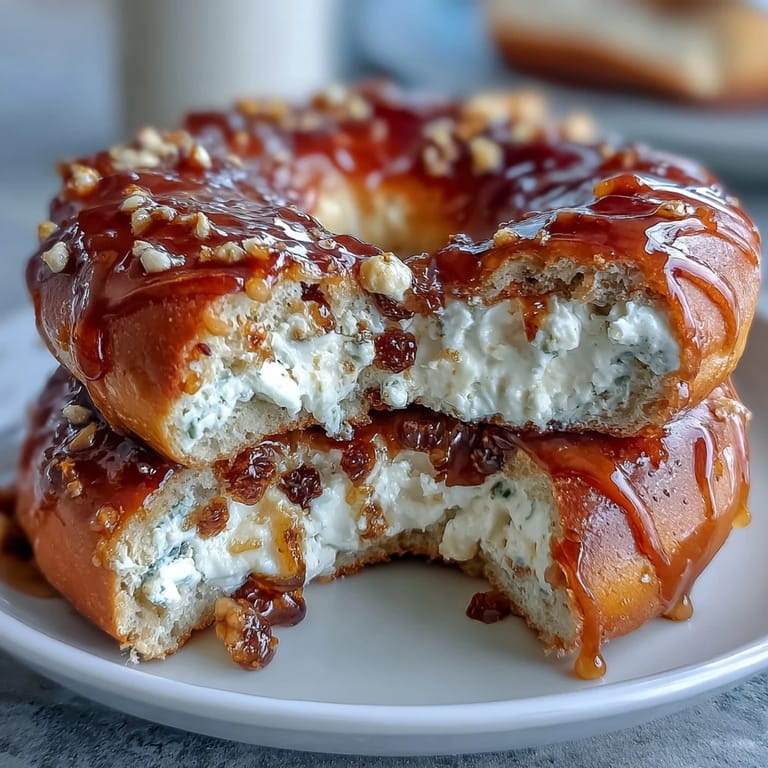
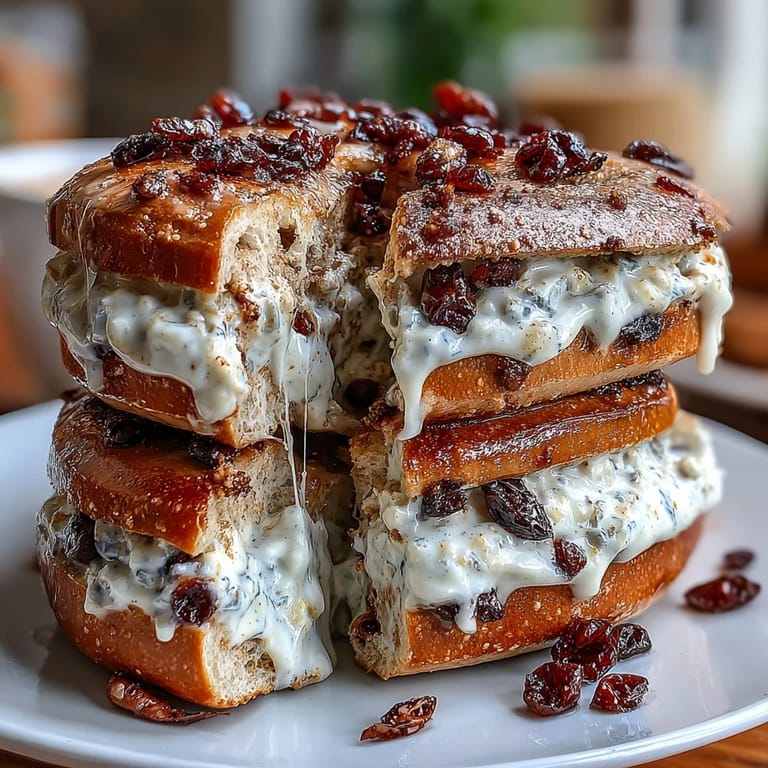
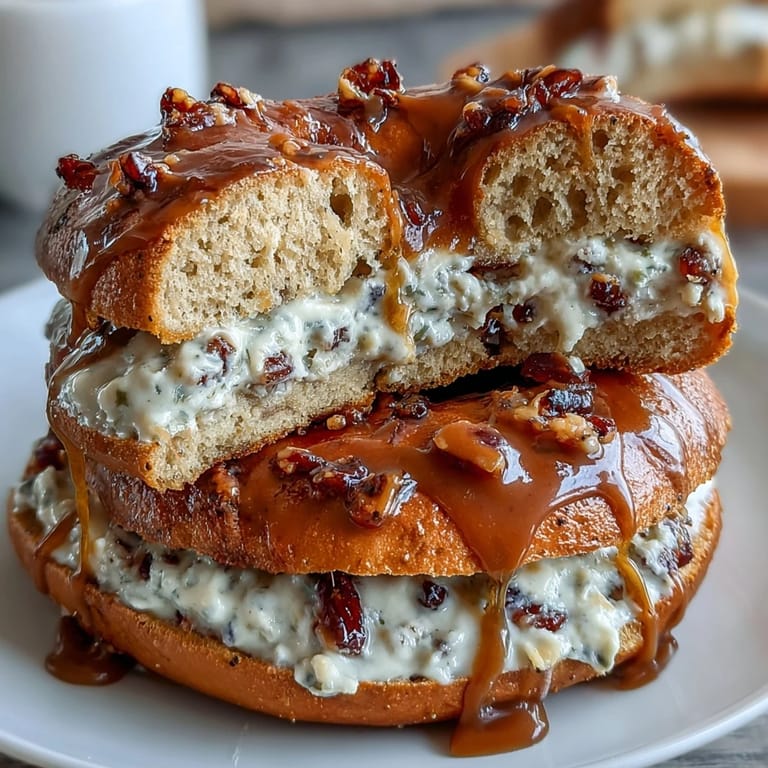
Save My roommate showed up one Saturday morning complaining that every bagel she bought tasted like cardboard and left her hungry by mid-morning. I laughed and said I'd make her something better—something that would actually stick with her. That's when I started playing around with protein powder in bagel dough, trying to figure out if I could sneak in the nutrition without losing that chewy, pillowy texture everyone craves. Three batches later, with raisins and cinnamon swirled through, and a tangy Greek yogurt glaze on top, she declared them dangerous because she couldn't stop eating them.
I made a batch for my coworkers during a hectic Tuesday morning, and something shifted in our little office kitchen that day. People kept asking why the bagels smelled so good, and when they tasted one, conversations actually stopped. One colleague who'd been doing meal prep religiously admitted these made her routine feel less like punishment and more like self-care. That's when I realized these weren't just a recipe—they were permission to enjoy breakfast again.
Ingredients
- Bread flour (3 ½ cups): This is your secret weapon for chew—it has more protein than all-purpose flour, which means your bagels won't go soft and mushy after one day.
- Vanilla or unflavored whey protein powder (¾ cup): Don't skip this or use a cheap brand; quality protein powder makes all the difference in texture and taste, and vanilla rounds out the cinnamon beautifully.
- Instant yeast (2 ¼ tsp): Fresh yeast matters more than you'd think—if it's been sitting in your pantry for a year, grab a new packet.
- Warm water (1 ¼ cups): Temperature is everything; too hot kills the yeast, too cold and nothing rises—aim for about 110°F (43°C), warm like a baby's bath.
- Honey or maple syrup (2 tbsp): This feeds the yeast and adds subtle sweetness that plays nicely with the raisins and cinnamon.
- Ground cinnamon (1 tbsp): Don't be shy here—cinnamon is what makes people close their eyes after the first bite.
- Salt (1 ½ tsp): This controls fermentation and strengthens the gluten structure, so measure it accurately.
- Raisins (¾ cup): Plump them up in warm water for 10 minutes before mixing if you like them extra tender and juicy.
- Honey or brown sugar for boiling water (1 tbsp): This helps the bagels develop that beautiful brown crust and adds a subtle sweetness to the exterior.
- Greek yogurt (½ cup): Use 2% or 5% fat varieties—they whip up smoother and taste richer than non-fat.
- Powdered sugar (2 tbsp): Just enough sweetness to balance the tang of the yogurt without making the glaze cloyingly sweet.
- Vanilla extract (½ tsp) and cinnamon pinch: These tie the glaze back to the bagel flavors so everything feels intentional.
Tired of Takeout? 🥡
Get 10 meals you can make faster than delivery arrives. Seriously.
One email. No spam. Unsubscribe anytime.
Instructions
- Wake up the yeast:
- Pour your warm water into a large bowl, sprinkle the yeast over it, add the honey, and let it sit for 5 minutes—you'll see it foam and bubble, which means it's alive and ready to work. This little pause is worth it because it ensures your bagels will actually rise.
- Build the dough:
- Stir in the bread flour, protein powder, cinnamon, and salt until everything comes together into a shaggy, rough-looking dough. Don't overthink it at this stage; you're just getting everything incorporated.
- Add the raisins and knead:
- Toss in your raisins and knead by hand or with a dough hook for 8 to 10 minutes until the dough is smooth, elastic, and no longer sticky. If it feels too wet, sprinkle in a little extra flour, but go easy—better slightly sticky than dry and tough.
- First rise:
- Oil a bowl lightly, plop your dough in, cover it with a kitchen towel, and set it somewhere warm for 45 minutes until it's roughly doubled in size. A turned-off oven with the light on, a sunny windowsill, or even a cooler with a bowl of hot water works great.
- Shape your bagels:
- Preheat your oven to 425°F (220°C) and line a baking sheet with parchment paper while you work. Punch down the dough, divide it into 8 equal pieces, roll each into a ball, poke your thumb through the center, and gently stretch it into a bagel shape—don't worry about perfection; rustic is charming.
- Boil them:
- Bring 2 quarts of water and 1 tablespoon of honey to a gentle boil in a large pot, then carefully drop in your bagels (work in batches so they're not crowded) and boil 45 seconds per side. Use a slotted spoon to fish them out and transfer them to your prepared baking sheet—you'll feel them get slightly heavier and more tender as they boil, which is exactly what you want.
- Bake until golden:
- Slide them into the oven for 18 to 20 minutes until they're golden brown on top and sound hollow when you tap the bottom. Let them cool completely—I know it's hard to wait, but this is when they firm up into their perfect chewy texture.
- Make the glaze:
- While bagels cool, whisk together Greek yogurt, powdered sugar, vanilla extract, and a pinch of cinnamon until smooth and spreadable. Taste it and adjust sweetness to your preference—some people like it tangier, some sweeter.
- Finish and serve:
- Drizzle or spread the glaze over your completely cooled bagels just before eating. If you glaze them while warm, it'll slide right off and make a mess, so patience here pays off.
 Save
Save There was an afternoon when my mom visited and found a bagel sitting on the counter, and without asking, she just picked it up and took a bite. She stopped mid-chew, looked at me, and said quietly, 'This is how bagels are supposed to taste.' That moment meant more than any compliment about fancy cooking; it was about giving someone something nourishing that also brought them joy.
The Science Behind the Chew
Bagels get their special texture from a combination of high-gluten flour, proper kneading, and—most importantly—that boiling step before baking. When you boil them, the outside starches gelatinize, creating a chewy crust that traps steam during baking, which is why the inside stays soft and pillowy instead of dense or dry. The protein powder actually helps strengthen this network, so you're not sacrificing structure for nutrition.
Why Greek Yogurt Makes Sense Here
A glaze should balance sweetness with something sharp and real, and that's exactly what Greek yogurt does—it's tangy enough to cut through the sweetness of the raisins and cinnamon, but creamy enough to feel indulgent. Unlike regular icing, this glaze adds protein and probiotics, so you're not undoing all the nutrition work you did with the bagel itself. Plus, it stays pliable on the bagel instead of hardening into a candy shell, which means each bite stays soft.
Swaps and Flexibility
The beauty of this recipe is that it adapts to what you have and what you crave without falling apart. I've made batches with chopped dates instead of raisins on a Tuesday, dried cranberries on a whim, and even added a tablespoon of cocoa powder to the dough for a mocha version that surprised everyone. The glaze is equally forgiving—use coconut yogurt if dairy doesn't work for you, swap the vanilla for almond extract, or even drizzle it with a little honey instead of powdered sugar if you want to keep it savory-leaning.
- Dried cranberries bring a bright tartness that wakes up your palate first thing in the morning.
- Chopped dates create a deeper, almost caramel-like sweetness that pairs beautifully with cinnamon.
- A dairy-free glaze using coconut yogurt works just as well and tastes equally creamy.
 Save
Save These bagels are the kind of breakfast that makes you feel like you're taking care of yourself while actually enjoying what you're eating. Make them once, and you'll find yourself making them again.
Recipe FAQs
- → What type of flour works best for these bagels?
Bread flour is recommended for a chewy texture, though all-purpose flour can be substituted with slightly less chew.
- → Can I swap raisins for another dried fruit?
Yes, chopped dates or dried cranberries are great alternatives that maintain sweetness and texture.
- → How does boiling affect the bagels?
Boiling briefly before baking creates a dense crust and chewy interior, key characteristics of traditional bagels.
- → Is the Greek yogurt glaze adjustable?
The glaze can be made dairy-free by substituting coconut yogurt while keeping its creamy, tangy profile.
- → What is the best way to store these bagels?
Store them in an airtight container at room temperature for up to two days or freeze for longer freshness.
- → Can these bagels be made vegan?
To make them vegan, use a plant-based protein powder and substitute coconut yogurt for the glaze.