 Save
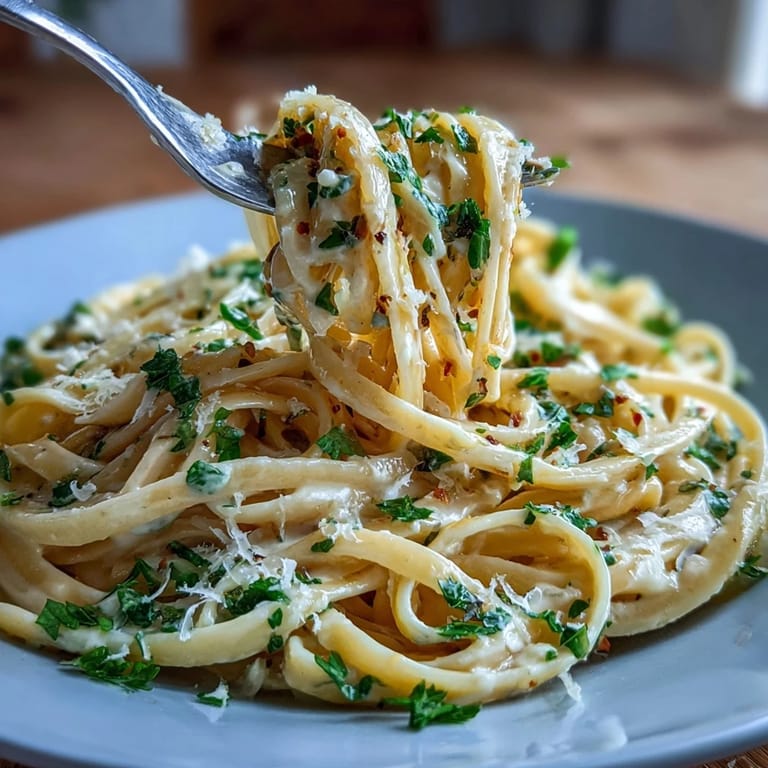
Save There's something about the smell of butter and lemon hitting a hot skillet that makes you pause mid-conversation. My neighbor knocked on the door one April afternoon, drawn by that exact aroma wafting down the hallway, and within twenty minutes she was twirling pasta at my kitchen counter like it was the most natural thing in the world. That's when I realized this dish wasn't just food—it was an invitation, simple enough to pull together on a weeknight but elegant enough to make anyone feel seen. The brightness of citrus against creamy butter and the gentle sweetness of peas felt like spring itself on a plate.
I made this on a Tuesday when everything felt chaotic, and somehow the ritual of zesting a lemon, listening to the water come to a boil, and tossing everything together grounded me. My daughter asked what smelled so good, and by the time I plated it, she was sitting across from me actually talking about her day instead of staring at her phone. That's the real magic here—it tastes impressive but never pretentious, leaving space for the people eating it to become the main event.
Ingredients
- Pasta (12 oz linguine or spaghetti): The long strands catch the silky sauce better than shorter shapes, but use whatever you have—this dish is forgiving.
- Fresh or frozen green peas (1 cup): Frozen peas are genuinely wonderful here because they stay tender and bright; fresh peas in season are a joy, but don't let their absence stop you.
- Garlic (2 cloves, minced): This is your flavor anchor, but watch it closely so it becomes fragrant without browning into bitterness.
- Lemon zest and juice (1 whole lemon): Don't skip the zest—it's where the real lemon personality lives, adding little bursts of oils that juice alone can't deliver.
- Fresh parsley (2 tbsp, chopped): A late-stage addition that brings freshness and color; dried won't give you the same bright finish.
- Unsalted butter (4 tbsp): The foundation of your sauce, so use good butter if you can—it makes a noticeable difference in how smooth everything becomes.
- Grated Parmesan cheese (1/2 cup, plus more for serving): Freshly grated matters here because pre-shredded cheese has additives that prevent it from melting as silkily.
- Salt and black pepper: Simple seasonings that let everything else shine, though you'll likely taste as you go and adjust.
Tired of Takeout? 🥡
Get 10 meals you can make faster than delivery arrives. Seriously.
One email. No spam. Unsubscribe anytime.
Instructions
- Boil the pasta with intention:
- Fill your pot generously with water and salt it like you're seasoning soup—this is your only chance to flavor the pasta itself. As the water heats, get your skillet ready so you're not waiting around once the pasta finishes.
- Create the foundation:
- Melt butter over medium heat, listening for that quiet sizzle. Add garlic and let it wake up in the warmth for exactly one minute—any longer and it turns harsh and bitter.
- Coax the peas into tenderness:
- Frozen peas need about three minutes to heat through and lose their chill; fresh peas need just enough time to soften without losing their snap. Stir occasionally so they warm evenly.
- Introduce the brightness:
- Pour in lemon zest and juice and watch how quickly it transforms the butter into something alive and vibrant. The skillet will smell like a farmers market in the best way.
- Bring it all together:
- Add your drained pasta and reserved water to the skillet, tossing gently so every strand gets coated. The starch in that water is what creates silkiness, so don't waste it—this is the secret handshake.
- Finish with cheese and grace:
- Sprinkle Parmesan as you toss, watching it melt into the warm sauce. Add more pasta water if needed—you're aiming for something that clings to the pasta without pooling at the bottom.
- Final flourish:
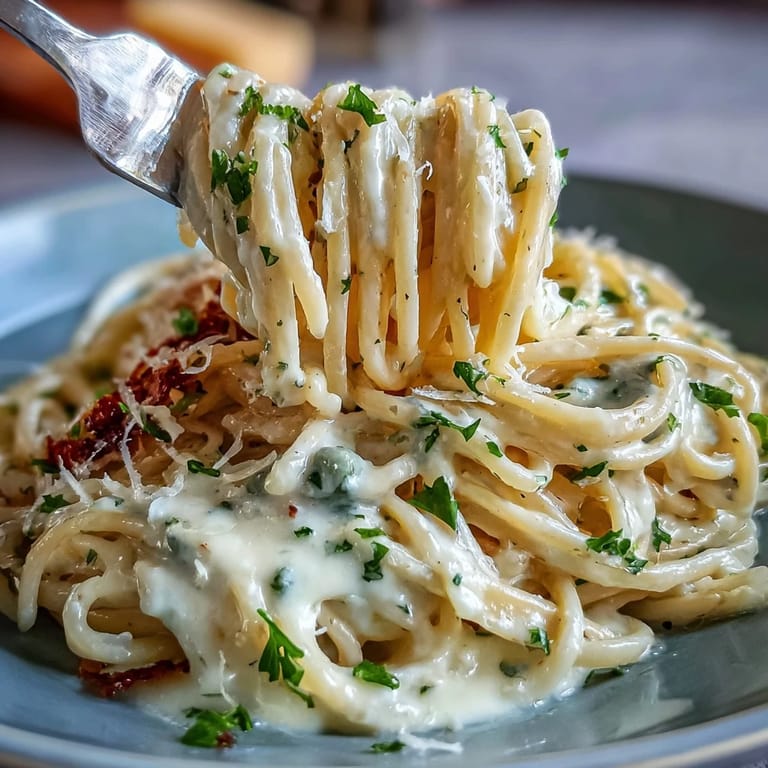
- Off heat, stir in parsley so it stays bright and vibrant. Taste and adjust seasoning because your lemon might be juicier or saltier than mine, and that's perfectly fine.
 Save
Save There was an evening when I made this for someone going through a difficult time, and the simple act of sitting together over something warm seemed to give permission for the harder conversations to happen. Food that asks nothing of you, that tastes like care without fussiness, somehow makes space for honesty.
The Secret of Pasta Water
This is one of those cooking lessons that changes everything once you truly understand it. The starchy water left behind when you drain pasta is actually a thickening agent and emulsifier—it helps fat and liquid come together into something silky instead of greasy or thin. I used to discard it without thinking, and my sauces were always either too dry or too heavy. Now I treat it like liquid gold, adding it back a splash at a time until the consistency is exactly right. This technique works beyond this dish; it's the backbone of countless restaurant-quality pasta sauces that home cooks struggle to replicate.
Spring Flavors Done Simply
There's a reason this combination feels so right in April and May—peas are at their sweetest, lemons are still bright from winter storage, and butter reminds you that richness doesn't require heaviness. The balance between the three flavors creates something that feels both light and satisfying, like your body knows it's nourished without feeling weighed down. You could eat this same plate in July or November, but something about spring timing makes it sing a little louder.
Ways to Make It Your Own
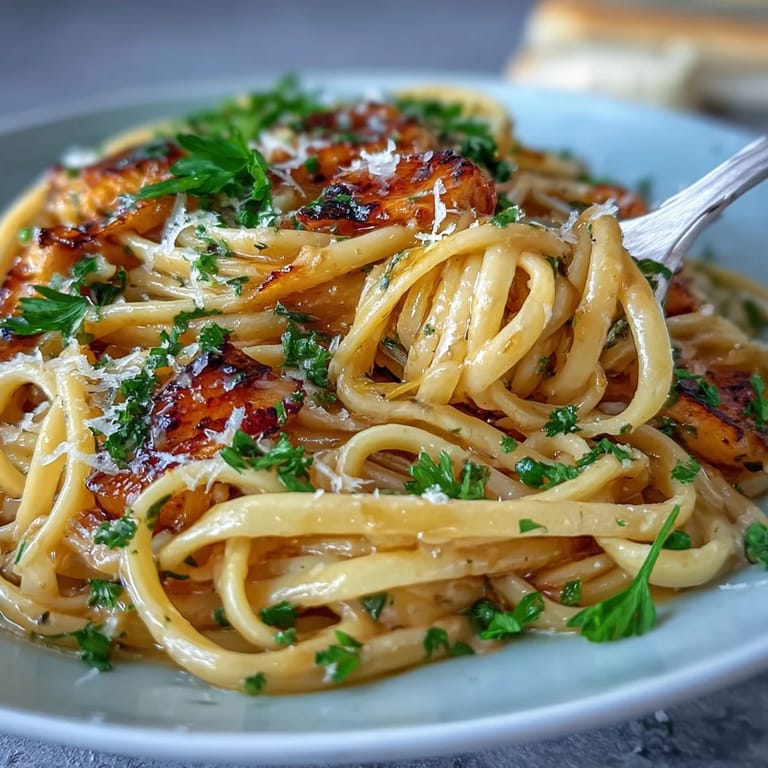
The beauty of this dish is how willing it is to accept additions without losing its identity. I've made it with shrimp sautéed quickly in a separate pan before tossing everything together, and with handfuls of spinach or arugula added just before serving. Once, out of curiosity, I substituted half the butter with really good olive oil and discovered a lighter, more herbaceous version that felt different but equally wonderful. You can adjust the lemon to your taste—some days I want brighter and add zest of a second lemon, other days I'm more cautious with the juice. The Parmesan can be adjusted too; more of it creates richness, less of it lets the peas and lemon take center stage.
 Save
Save This recipe has become my go-to when I want to cook something that tastes like you spent hours thinking about it, when really you spent twenty-five minutes following your instincts. That's the kind of magic worth keeping close.
Recipe FAQs
- → Can I use frozen peas instead of fresh?
Yes, frozen peas work well. Cook them in the skillet until heated through and just tender to maintain their sweetness.
- → What pasta types suit this dish best?
Linguine or spaghetti are ideal as they hold the lemon-butter sauce beautifully, coating the strands evenly.
- → How do I prevent the sauce from becoming too thick?
Add reserved pasta cooking water gradually to achieve a silky, smooth consistency without overwhelming the flavors.
- → Can I make it vegan?
Substitute butter with olive oil and use a plant-based cheese alternative to maintain flavor while avoiding dairy.
- → What herbs pair well with lemon and peas?
Fresh parsley complements the citrus and peas nicely, adding a bright herbal note without overpowering.