 Save
Save My first batch of frikadeller came together on a rainy Copenhagen afternoon when my neighbor handed me a worn Danish cookbook and said, "You need to make these." The smell of caramelized onions and browning meat in the skillet was unlike anything I'd made before—something about the warmth and spice drew me back to that kitchen repeatedly. Now, whenever I shape these golden-brown meatballs, I'm transported to that moment of discovery, when a simple comfort food became a touchstone in my cooking life.
I made these for my study group during finals week, thinking simple meatballs would be forgettable fuel between cramming sessions. Instead, three people asked for the recipe before we finished eating, and one friend still texts me photos of her batches. There's something about passing along a recipe that tastes like care—these frikadeller have that quality.
Ingredients
- Ground pork (500 g): The backbone of the dish; it needs fat marbling for juiciness, so don't grab the leanest cut you can find—aim for something with real flavor.
- Small onion, finely grated: Grating releases moisture and enzymes that break down the meat slightly, making it more tender than minced onion ever could.
- Egg: The binder that holds everything together without making it dense.
- Whole milk (100 ml): This is the secret weapon; it keeps the meatballs from drying out and makes them almost creamy inside.
- Breadcrumbs (60 g): They absorb the milk and create structure, so don't skimp or rush this step.
- Salt, black pepper, and allspice: Salt is non-negotiable, pepper adds bite, and allspice brings that unmistakable Danish warmth—skip it if you must, but your meatballs will taste less authentic.
- Unsalted butter and neutral oil: The combination gives you the nuttiness of butter without the burn; together they hit the perfect frying temperature.
Tired of Takeout? 🥡
Get 10 meals you can make faster than delivery arrives. Seriously.
One email. No spam. Unsubscribe anytime.
Instructions
- Mix your base:
- Combine the pork, grated onion, egg, milk, breadcrumbs, salt, pepper, and allspice in a large bowl. Stir gently but thoroughly until the texture is cohesive and slightly sticky to the touch—it should feel like soft clay, not dry or watery.
- Let it rest:
- Set the bowl aside for 10 minutes while the breadcrumbs drink up the milk. This pause is crucial; it firms up the mixture just enough to shape without falling apart.
- Shape into meatballs:
- Wet your hands under cool water and shape the mixture into 12–14 oval or round pieces, each about the size of a golf ball. The moisture on your hands keeps them from sticking as you work.
- Get your pan ready:
- Heat the butter and oil together in a large skillet over medium heat. Wait until the foam subsides and you smell that rich, nutty aroma—that's when you know it's hot enough.
- Fry until golden:
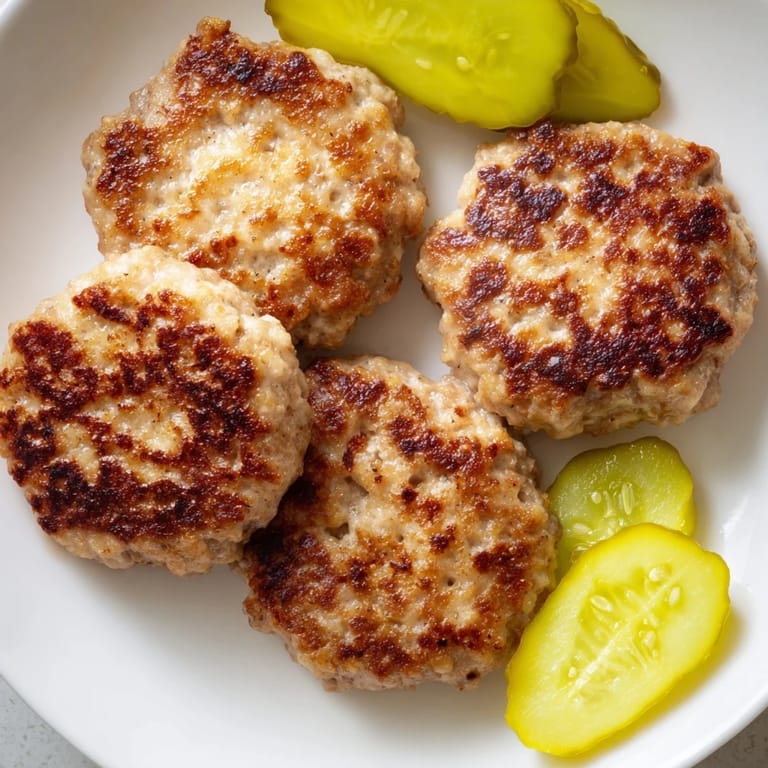
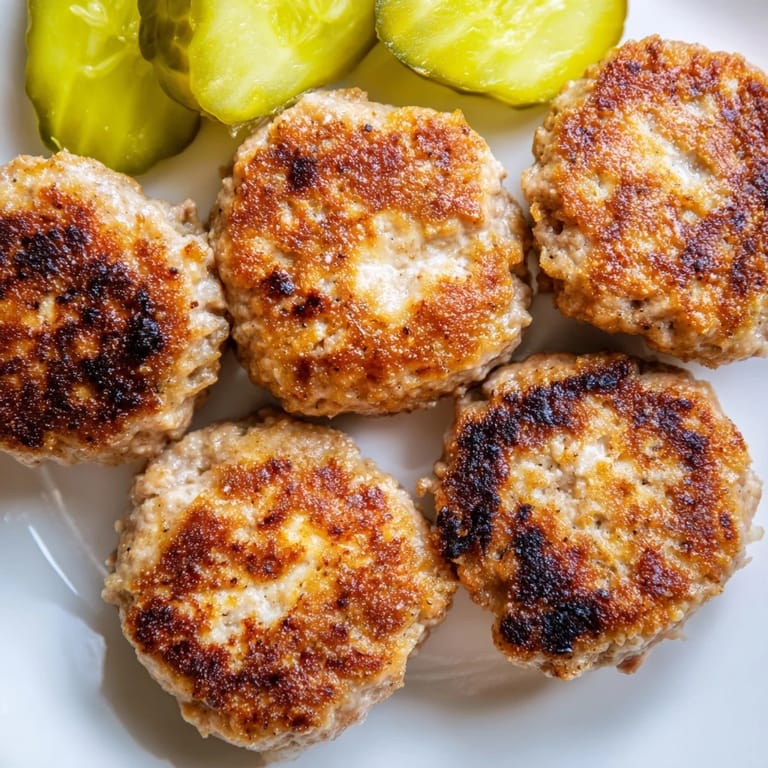
- Working in batches to avoid crowding, place the meatballs in the pan and gently flatten each one with a spatula until they're about half an inch thick. Fry for 4–5 minutes per side until the exterior is a deep golden brown and the interior is cooked through; a meat thermometer should read 160°F (71°C) if you're uncertain.
- Rest and serve:
- Transfer the finished frikadeller to a plate lined with paper towels to drain any excess oil. Serve them warm alongside tangy pickles and, if you like, thick slices of rye bread or boiled potatoes.
 Save
Save There was an evening when my partner's parents came over unannounced, and I had these in the freezer. I thawed them, pan-fried them straight from cold, and served them with nothing but pickles and rye bread, and somehow that felt more special than any rehearsed dinner party ever could. That's when I understood: the best food is the kind you can make without fussing.
The Danish Approach to Comfort Food
Frikadeller sit at the heart of Danish home cooking, the kind of dish that shows up at family tables, neighborhood potlucks, and casual weeknight dinners without apology. There's no pretense here—just seasoned meat, careful technique, and flavors that have been trusted for generations. What makes them Danish, really, is the commitment to quality ingredients and the refusal to overcomplicate something that's already perfect.
Variations and Flavor Explorations
Once you've mastered the classic version, you can drift in interesting directions. I've made them with half pork and half veal for a lighter, more delicate texture, and I've added a pinch of nutmeg when I was craving something warmer and more aromatic. Some Danes serve them with a warm parsley cream sauce instead of pickles, which transforms them into something almost luxurious, while others stick with the pickles and call it a day. The foundation is sturdy enough to support your own experimentation.
Serving and Pairing Wisdom
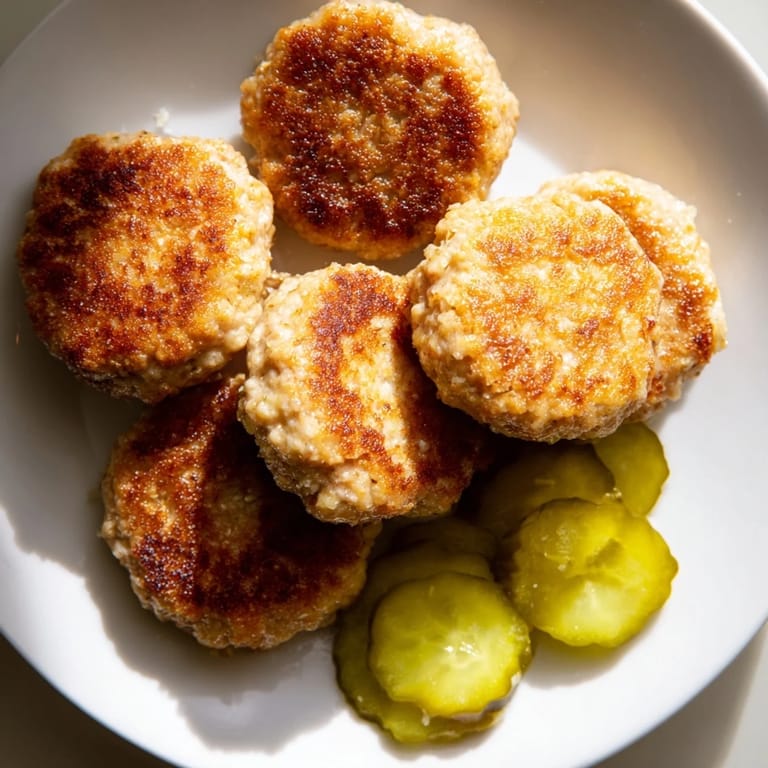
These meatballs are wonderfully flexible—they work as a quick weeknight dinner, a casual weekend meal with friends, or even as part of a smørrebrød spread on open-faced rye bread. I often make a double batch and freeze the uncooked portions, which means I can fry up fresh meatballs any time hunger strikes. The pickles are essential, but creamy potato salad, shredded red cabbage, or even mustard will echo the traditional Danish table.
- Serve them straight from the skillet while they're still warm and the exterior is crispy.
- Leftovers keep for three days and actually taste better cold, sliced thin on buttered rye.
- Freeze the raw mixture for up to two months—thaw and fry whenever you need dinner in twenty minutes.
 Save
Save These frikadeller have become my go-to when I want to cook something that tastes like it took hours but feels effortless. They're proof that the best dishes are often the simplest ones, made with attention and care.
Recipe FAQs
- → What makes Danish frikadeller unique?
The use of finely grated onion, allspice, and a mix of butter and oil for frying creates tender, flavorful meatballs with a golden crust typical of Danish cooking.
- → Can I substitute pork with other meats?
Yes, mixing ground veal with pork produces a lighter texture while maintaining a rich flavor.
- → How do I keep the meatballs juicy during cooking?
Incorporating milk and breadcrumbs into the meat mixture and frying at medium heat helps retain moisture inside the meatballs.
- → What side dishes complement these meatballs?
Traditional accompaniments include tangy pickled cucumbers or beetroot, rye bread, boiled potatoes, and creamy potato salad.
- → Why rest the meat mixture before shaping?
Resting allows breadcrumbs to absorb moisture evenly, resulting in a cohesive mixture that holds shape during cooking.