 Save
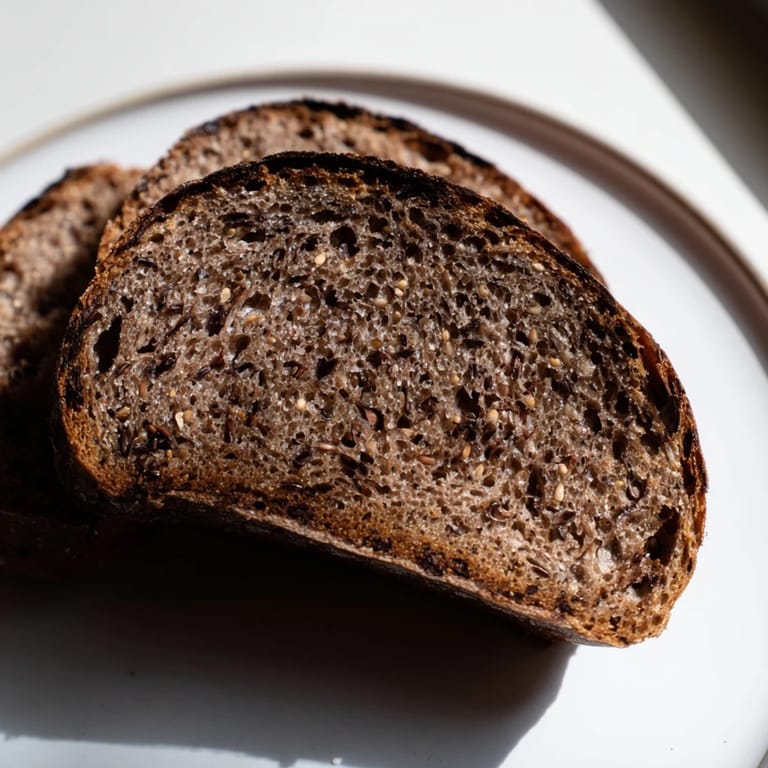
Save My first loaf of Estonian leib came together on a gray November morning, when a friend pressed a jar of her rye starter into my hands with the simple instruction: "Feed it, trust it, and it will feed you." That starter had been alive in her kitchen for seven years, and I was terrified of killing it. But something about mixing those dark flours with the earthy malt and caraway seeds felt like stepping into someone else's kitchen history, and by afternoon, the dough had transformed into something alive and breathing on my counter.
I'll never forget serving this bread at a dinner party where everything else went wrong—the fish was overcooked, I forgot the side dish—but people kept asking for more of the bread. My Estonian neighbor took a slice, closed her eyes, and said "tastes like home," which felt like the highest compliment I could receive.
Ingredients
- Active rye sourdough starter (100 g): This is your leaven, the living culture that makes the bread rise and gives it that distinctive tangy depth; make sure yours is fed and bubbly before you begin.
- Dark rye flour (400 g): The backbone of authentic leib, giving it that dense, almost chocolate-brown crumb and earthy complexity you can't replicate with wheat alone.
- Bread flour (100 g): Adds just enough gluten structure to keep the loaf from becoming too heavy, helping it rise with gentle confidence.
- Lukewarm water (300 ml): Temperature matters here—too hot kills the starter, too cold and nothing ferments; aim for blood-warm to the wrist.
- Dark rye malt or barley malt powder (50 g): This ingredient is what gives the bread its signature deep color and slightly sweet, roasted grain flavor that feels like autumn in your mouth.
- Molasses or dark honey (2 tbsp): Feeds the fermentation and adds subtle richness that balances the rye's assertiveness.
- Caraway seeds (1 tbsp): Aromatic and essential to the Estonian tradition, they develop spicy, warm notes during baking.
- Fine sea salt (2 tsp): Enhances flavor and helps control fermentation speed.
- Caraway seeds for topping (1 tsp, optional): A final flourish that announces what's inside.
Tired of Takeout? 🥡
Get 10 meals you can make faster than delivery arrives. Seriously.
One email. No spam. Unsubscribe anytime.
Instructions
- Awaken your starter:
- In a large bowl, combine the rye starter, lukewarm water, and molasses, stirring until the molasses dissolves completely and the mixture looks almost alive. You should smell the fermentation immediately—that slightly sour, yeasty aroma that promises good things ahead.
- Build the dough:
- Add the rye flour, bread flour, malt powder, caraway seeds, and salt, mixing with a wooden spoon until everything comes together into a thick, sticky mass that's too stiff to pour but too wet to knead by hand. Don't overthink this step; the sourdough does the real work during the rise.
- Let time do the work:
- Cover the bowl with a damp cloth and leave it at room temperature for 10–12 hours or overnight, until the dough has visibly expanded and the surface is dotted with bubbles. The kitchen will smell increasingly rich and complex as fermentation happens.
- Shape and proof:
- Line a loaf pan with parchment paper, scrape the dough into the pan using a wet spatula, and smooth the top as much as it wants to cooperate. Sprinkle with extra caraway seeds if you like the look, cover with the damp cloth, and let it rise again for 2–4 hours until it climbs close to the rim of the pan.
- Prepare for heat:
- Preheat the oven to 220°C (430°F) and place a pan of hot water on the bottom rack; the steam will help the crust develop that dark mahogany shine that makes this bread so striking.
- Bake with intention:
- Bake the loaf at 220°C for 15 minutes, then lower the heat to 190°C (375°F) and continue for another 30 minutes, until the crust is deep brown and the loaf sounds genuinely hollow when you tap the bottom. This two-temperature approach builds flavor and prevents the outside from burning before the inside finishes.
- Cool completely:
- Transfer the loaf to a wire rack and resist every urge to slice it warm; the crumb sets as it cools, and patience here gives you cleaner slices and better texture.
 Save
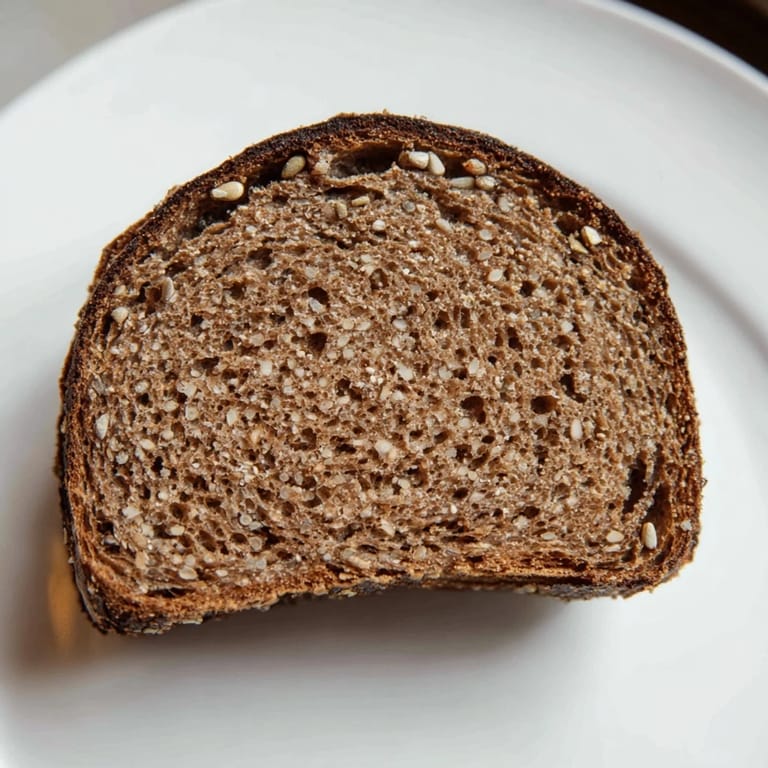
Save There's a moment in the kitchen when you pull this bread from the oven and the whole house fills with that roasted, slightly spiced aroma—that's when I understand why people keep sourdough starters alive for decades, passing them down like they're precious.
The Character of Estonian Rye
Rye bread isn't trying to be light or fluffy; it's intentionally dense and grounded, built to sustain through long winters and to pair with simple, honest foods like butter and salt. The flavor develops over days, deepening and becoming more complex as the crumb settles, which is why this loaf tastes better on day two than it does fresh from the cooling rack. It's a bread that asks for patience and rewards it generously.
Why Caraway Seeds Matter
Caraway has been flavoring Eastern European breads for centuries, and for good reason—it adds warmth and slight sweetness that prevents the bread from tasting heavy or one-dimensional. Some people toast the seeds lightly before mixing them in, which intensifies their spicy-sweet notes even further, though I usually add them raw and let the oven's heat do the toasting. Either way, they're not a garnish; they're woven into the bread's identity.
Storage and Serving
This bread keeps wrapped in a kitchen towel for up to a week, developing better flavor as it sits, and it's magnificent alongside sharp cheeses, smoked fish, or simply torn and buttered. It also freezes beautifully for up to three months, which means you can bake once and eat thoughtfully across weeks.
- Slice it with a serrated bread knife using a gentle sawing motion to keep the crumb from compressing.
- For serving, a thin smear of salted butter is often all it needs, though aged cheddar or smoked salmon elevate it to company food.
- Always let it cool completely before wrapping, or condensation will soften the crust.
 Save
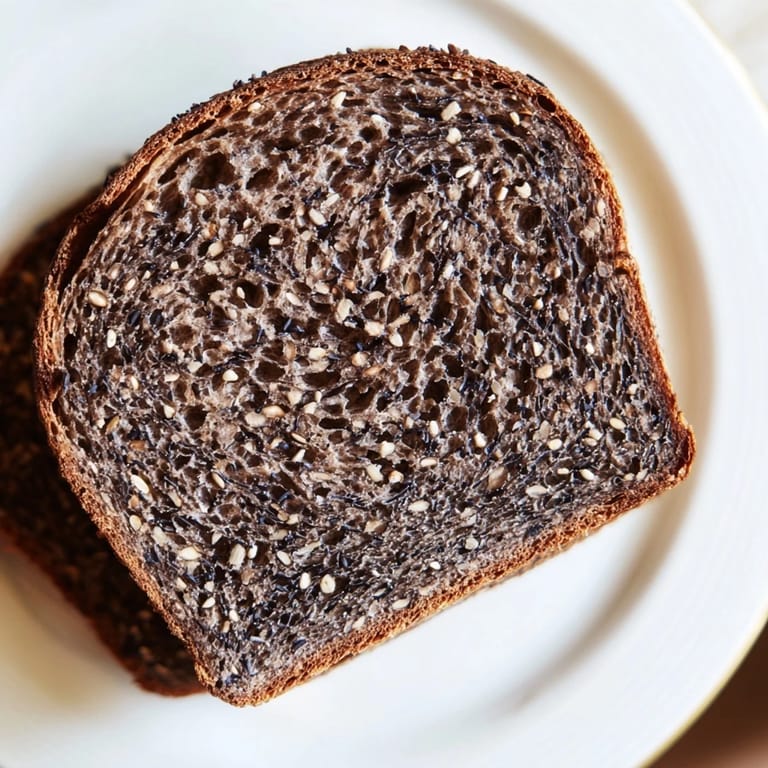
Save This bread taught me that good things rarely rush, and that the waiting is part of what makes them worth eating. Make it once and you'll understand why people guard their sourdough starters like family heirlooms.
Recipe FAQs
- → What gives this bread its distinct flavor?
The combination of rye flour, dark malt, and caraway seeds imparts a deep, aromatic, and hearty taste unique to this traditional loaf.
- → How long should the dough rise?
The dough benefits from a slow fermentation of about 12 to 16 hours, followed by a shorter second rise to ensure a light yet dense crumb.
- → What baking technique is used to create the crust?
Steam is introduced during baking by placing a pan of hot water in the oven, which helps develop a dark, crisp crust.
- → Can the caraway seeds be toasted before adding?
Yes, toasting the caraway seeds enhances their aroma and adds extra depth to the bread's flavor.
- → How should the bread be stored?
Wrap the cooled loaf in a towel and store at room temperature for up to a week to maintain its freshness.