 Save
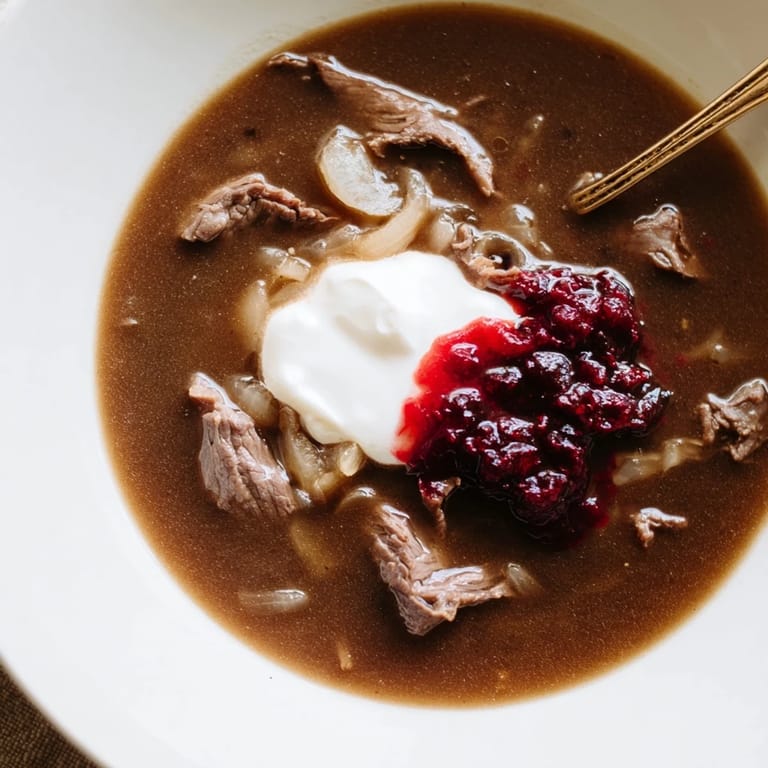
Save The first time I tasted Finnish reindeer stew, I was sitting in a small cabin near the Lapland border, watching snow fall heavily outside while the pot on the stove filled the room with an incredible savory warmth. My host, a woman named Aino, had spent the morning prepping the meat with the kind of unhurried confidence that comes from making the same dish for decades. She told me that reindeer stew isn't fancy or complicated—it's honest food, built on the patience of slow cooking and a handful of ingredients that know how to work together. The moment she lifted the lid and that creamy, aromatic steam hit my face, I understood why this dish has survived centuries in the Nordic kitchen. Now I make it regularly, chasing that same feeling of being wrapped in warmth and tradition.
I made this for friends one winter evening, and halfway through the cooking time, I caught myself standing at the stove just breathing in the aroma—juniper berries, caramelized onions, and that deep game meat smell that fills a kitchen like a promise. My partner walked in, sniffed the air, and said nothing, just sat down at the table with a quiet smile. That's when I realized this stew does something beyond feeding hunger; it sets a mood, tells a story before the first bite even happens.
Ingredients
- Reindeer meat (800 g, thinly sliced): The star of the dish—tender, slightly gamey, and rich in flavor that deepens beautifully during the long simmer. If reindeer feels too adventurous, venison or even beef will give you something lovely, though the Nordic authenticity shifts a bit.
- Butter and vegetable oil (2 tbsp butter, 1 tbsp oil): Butter for flavor, oil for higher heat; together they create the perfect surface for browning meat without burning.
- Onions (2 medium, finely sliced) and garlic (2 cloves, minced): These become the flavor base, turning soft and sweet as they cook down in the meat juices, creating a natural thickener and depth.
- Beef or game stock (300 ml) and water (100 ml): Game stock is ideal if you can find it, but beef works beautifully too; the water stretches it slightly and lets the meat's own flavor shine.
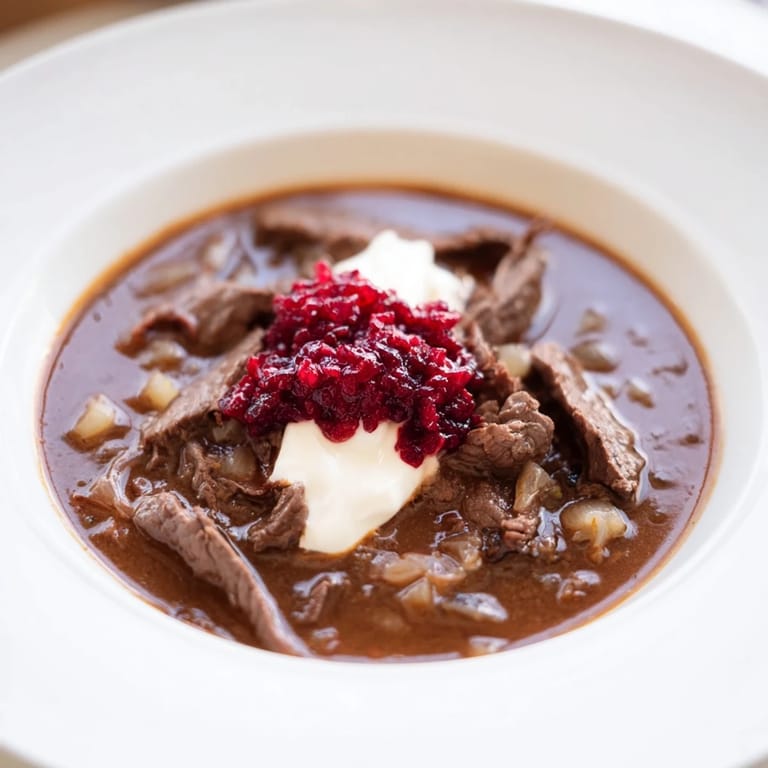
- Sour cream (150 ml): Added at the very end, this brings a cooling brightness that prevents the stew from feeling too heavy and adds a subtle tang that Nordic cooking loves.
- Bay leaves and juniper berries: Bay leaves are gentle backbone seasoning; juniper berries (optional but recommended) whisper a subtle woody-spice note that feels distinctly Finnish without screaming for attention.
- Salt, pepper, lingonberry preserves, and mashed potatoes: Salt and pepper let everything else speak; lingonberries provide that crucial tart contrast; mashed potatoes catch every drop of sauce.
Tired of Takeout? 🥡
Get 10 meals you can make faster than delivery arrives. Seriously.
One email. No spam. Unsubscribe anytime.
Instructions
- Get your pot ready and heat the fats:
- Use a heavy-bottomed pot or Dutch oven—this is non-negotiable because even heat prevents sticking and browning. Heat the butter and oil together over medium-high heat until the butter foams and smells nutty; you want a surface hot enough that meat sizzles immediately on contact.
- Brown the meat in batches:
- This isn't just for color; browning creates deep, savory flavors that build the entire foundation of the stew. Don't crowd the pot—work in batches, letting each piece touch the hot surface without steam, then set aside on a plate.
- Soften the onions and garlic:
- In the same pot (with all those browned bits still clinging to the bottom), add your sliced onions and let them cook gently for about five minutes until they turn soft and translucent, almost melting into themselves. Add the minced garlic and cook one more minute until fragrant.
- Bring it together and season:
- Return all the browned meat to the pot, then add salt, pepper, bay leaves, and juniper berries if using. Stir everything gently so the seasonings distribute evenly and the meat settles back into the pot.
- Simmer low and slow:
- Pour in the stock and water, bring the whole thing to a gentle simmer, then cover and drop the heat to low. This is where the magic happens—let it bubble quietly for about 1.5 hours, stirring occasionally, until the meat is so tender a spoon cuts through it easily.
- Reduce and finish:
- After 1.5 hours, remove the lid and let it cook uncovered for 10 more minutes so the liquid concentrates and thickens slightly. The sauce should coat the back of a spoon when you dip it in.
- Swirl in the sour cream:
- Turn off the heat or drop it to the lowest setting, then stir in the sour cream in one smooth motion until it's fully incorporated and the stew turns a beautiful pale brown. Cook for another 2-3 minutes just to warm it through; don't let it boil or the cream might break.
 Save
Save The last time I served this, my grandmother (who grew up eating versions of this stew in Sweden) took one bite and got quiet in the way she does when food hits exactly right. She told me it reminded her of her mother's kitchen, which meant everything to me because I'd never met her mother. Food carries memory like that—not just the flavors, but the feeling of being loved through cooking.
The Nordic Way with Game Meats
Game meats—reindeer, venison, moose, elk—are central to Nordic cooking not because they're fancy, but because they're honest. They have stronger flavors than beef, which is why Scandinavian cooks pair them with bold partners like juniper, lingonberries, and dark beer. If reindeer intimidates you, start with venison, which is becoming easier to find and has a similar texture and cook time. The key is respecting the meat's natural flavor rather than trying to hide it under cream and spices.
Why Lingonberries Matter
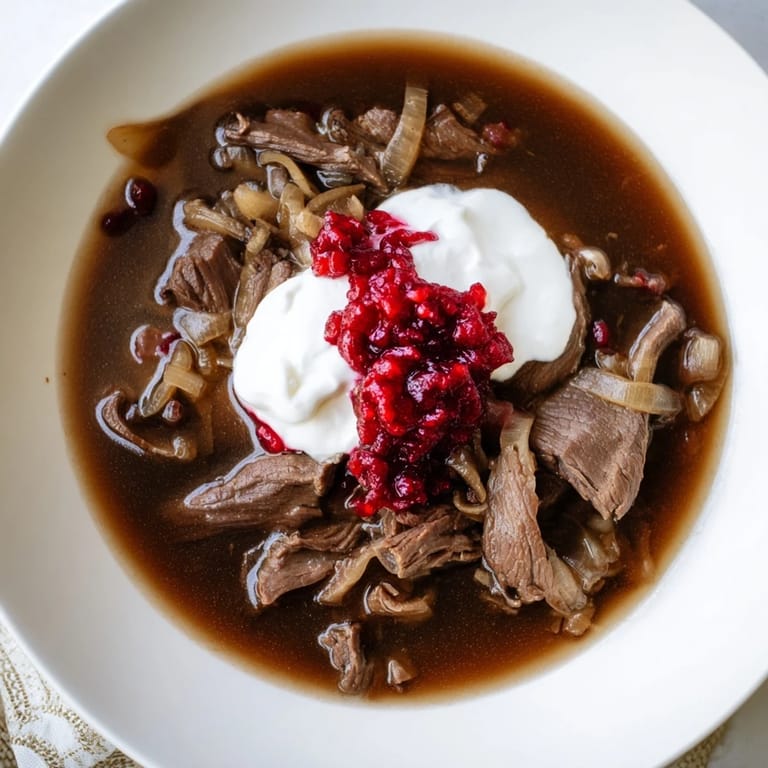
I learned this lesson the hard way when I first made this stew and served it without the berry preserve on the side. The stew was delicious, but something felt missing—a brightness, a spark. Lingonberries are tart and slightly sweet, and they cut through the richness of the meat and cream like a perfectly-timed joke. You can use fresh lingonberries if you're lucky enough to find them, or quality preserves (Scandinavian brands are reliable). If lingonberries aren't available, cranberry sauce works, or even a sharp red currant jelly, but the result is subtly different—less Nordic, but still genuinely good.
Building Flavor Layers
This stew builds its complexity slowly, which is why rushing it changes the entire character. The initial browning creates umami depth, the onions add sweetness and body, the juniper berries whisper spice, and the lingonberries finish with sharpness. It's not a one-note dish; it's a conversation between flavors that only happens when you give them time to know each other.
- Consider adding a splash of dark beer or red wine along with the stock if you want more complexity and a slightly deeper color.
- For pickled cucumbers (the traditional Nordic side), you can make a quick version by slicing cucumbers and pickling them in equal parts vinegar and water with a pinch of salt and sugar.
- Mashed potatoes are essential, not optional—they're there to catch every drop of that beautiful sauce.
 Save
Save This stew tastes like the long Nordic winters, like the warmth of being inside while it snows, like the kind of cooking that asks for nothing except time and attention. Once you've made it once, you'll understand why it's been around for centuries.
Recipe FAQs
- → Can I substitute reindeer meat?
Yes, venison or beef are excellent alternatives that maintain a similar texture and flavor profile.
- → What is the role of juniper berries?
Juniper berries add a subtle piney and slightly sweet note, enhancing the Nordic flavor of the dish.
- → How long should the stew be cooked?
Simmer the meat gently for about 1.5 hours until it becomes very tender and infused with flavors.
- → Why add sour cream at the end?
Sour cream enriches the stew with a creamy texture and mild tang, balancing the savory and tart elements.
- → What traditional accompaniments are served?
Mashed potatoes and lingonberry preserves or fresh lingonberries complement the rich stew with creamy and tart contrasts.