 Save
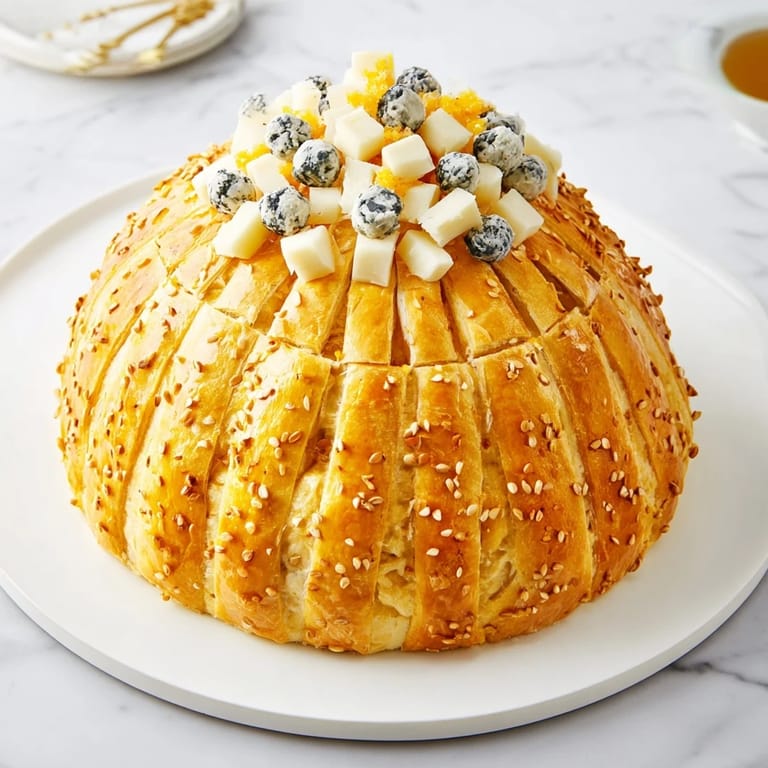
Save I discovered The Gilded Cage at a dinner party in Lyon, watching a server set down what looked like edible architecture—a woven dome of golden breadsticks shielding a treasure of creamy and sharp cheeses beneath. I was mesmerized, and I couldn't resist asking the chef for the concept. She laughed and said it was less recipe and more theater, but the real magic was in how each element played against the others: the snap of a warm breadstick shattering against soft Brie, the salt and umami of aged Comté peeking through. When I recreated it weeks later in my own kitchen, I felt that same rush of possibility—that cooking could be a small performance, and the best dishes are the ones that make people lean in closer.
The first time I made this for my sister's birthday, I nearly panicked when my dome started leaning like a lazy tower of Pisa. I propped it up with a spare breadstick wedged into a cheese cube, and somehow it stayed put—she never even noticed, but it taught me that imperfection is often part of the charm. That night, watching her eyes light up as she pulled apart the breadstick cage, I realized this dish wasn't about flawless execution. It was about creating a moment where food becomes a conversation starter, a small edible puzzle that brings people together.
Ingredients
- All-purpose flour: Use a quality brand with good protein content so your breadsticks hold their shape and snap rather than bend.
- Instant dry yeast: Check the expiration date—old yeast won't rise properly, and you'll end up with dense sticks instead of light ones.
- Lukewarm water: Too hot kills the yeast, too cold stalls the rise; imagine bathwater temperature.
- Olive oil: This adds richness and helps the dough stay tender even as it crisps in the oven.
- Egg yolk: A single yolk glazes beautifully and gives that golden sheen without egg white making things too glossy.
- Triple-cream Brie: Its soft, buttery texture is the heart of this arrangement—it anchors everything else.
- Aged Comté: Nutty and firm, it supports the dome structurally while adding depth of flavor.
- Truffled goat cheese: Those small balls are visual punctuation marks and bring an earthy surprise with every bite.
- Blue cheese: Just enough to make people pause and reach back for another breadstick—use a good Roquefort if you can.
- Parmigiano Reggiano: Shaved thin, it catches light and adds a salty, crystalline contrast.
- Fresh herbs and honey: These are the finishing touches that prevent the presentation from feeling too precious—they keep it approachable.
Tired of Takeout? 🥡
Get 10 meals you can make faster than delivery arrives. Seriously.
One email. No spam. Unsubscribe anytime.
Instructions
- Mix and knead the dough:
- Combine your dry ingredients, then add water and oil, mixing until shaggy. Knead for 8–10 minutes until the dough feels smooth under your palms and springs back when poked—this develops the gluten that'll give your breadsticks their snap.
- Let it rise quietly:
- Cover the bowl and set it somewhere warm (an oven with the light on, or near a sunny window). Check after 20 minutes; when it's doubled, you're ready to shape.
- Prepare your workspace:
- Preheat the oven to 200°C and line a tray with parchment. This prevents sticking and lets you achieve that crispy bottom without burning.
- Roll thin and even:
- Divide the dough into 18–20 pieces, then roll each into a pencil-thin stick about 25 cm long. Thinner is better—they crisp better and look more delicate in the dome.
- Glaze and garnish:
- Brush each breadstick lightly with egg yolk and scatter sesame seeds if using. The glaze caramelizes in the oven and adds visual drama.
- Bake until golden:
- Bake for 15–18 minutes, turning once halfway through so they bronze evenly. They should sound hollow and feel light when you tap them—that's your signal they're done.
- Cool completely:
- Breadsticks soften as they cool slightly, so let them sit on a wire rack for a few minutes. This lets them firm up again and stay crisp longer.
- Assemble the cheese mound:
- On your serving platter, pile the cheeses in a soft mound—don't overthink the shape, as the breadsticks will smooth it into something beautiful. Scatter grapes around the base and drizzle with honey.
- Build your dome:
- This is where patience pays off. Start by leaning breadsticks against each other in a teepee shape, letting the cheese cubes anchor them. If you're nervous, rest a small bowl in the center as you build, then gently lift it away once the structure holds.
 Save
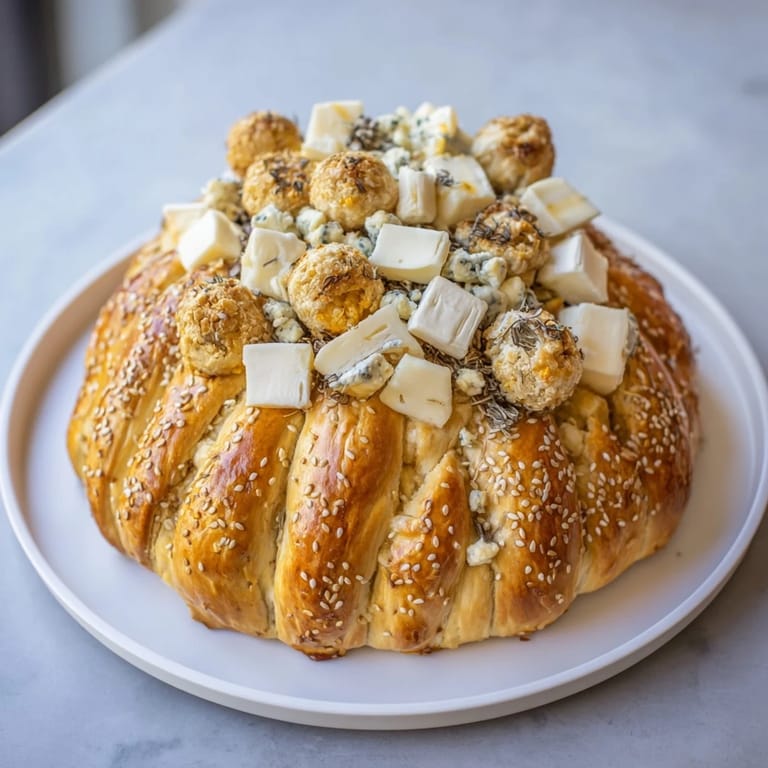
Save What struck me most about this dish wasn't the moment it came together, but the moment after—when someone reached up to crack off the first breadstick, and the sound echoed across the table like they were breaking open something precious. That's when I knew this wasn't just food; it was a small ceremony, a reason to pause and appreciate.
Choosing Your Cheeses
The beauty of this recipe is that it's as flexible as you want it to be. I've made it with aged cheddar and Taleggio when fancy cheeses weren't available, and it was just as delicious—different, but honest. The key is choosing cheeses with different textures: at least one soft, one firm, and one with real personality. Avoid anything too bland; this is your moment to show off flavors you love.
Breadstick Troubleshooting
The most common mistake is rolling them too thick—they end up chewy instead of crisp. I learned this the hard way, watching my beautiful breadsticks bend like question marks instead of staying straight. Roll thin enough that you can almost see light through them, and they'll bake into the delicate, snappable sticks that make this dish work structurally. If your oven runs hot, watch them from the 12-minute mark; every oven is different, and the difference between golden and burnt is sometimes just minutes.
Serving and Pairing
Serve this while the breadsticks are still faintly warm—that contrast between warm bread and cool cheese is essential. A crisp white wine like Albariño or Champagne is the obvious choice, but I've also loved it with a dry Riesling or even a light Burgundy if the evening calls for it. The beauty of having guests help themselves is that everyone finds their own perfect bite—some might layer Brie and truffle, others might go bold with blue cheese and Parmigiano.
- Assemble the dome no more than an hour before serving so the breadsticks stay crisp.
- If you're nervous about structural integrity, use that small bowl trick—it's invisible but changes everything.
- Remember that edible gold leaf, fresh herbs, and extra honey are your secret weapons for making it look like you spent all day on this.
 Save
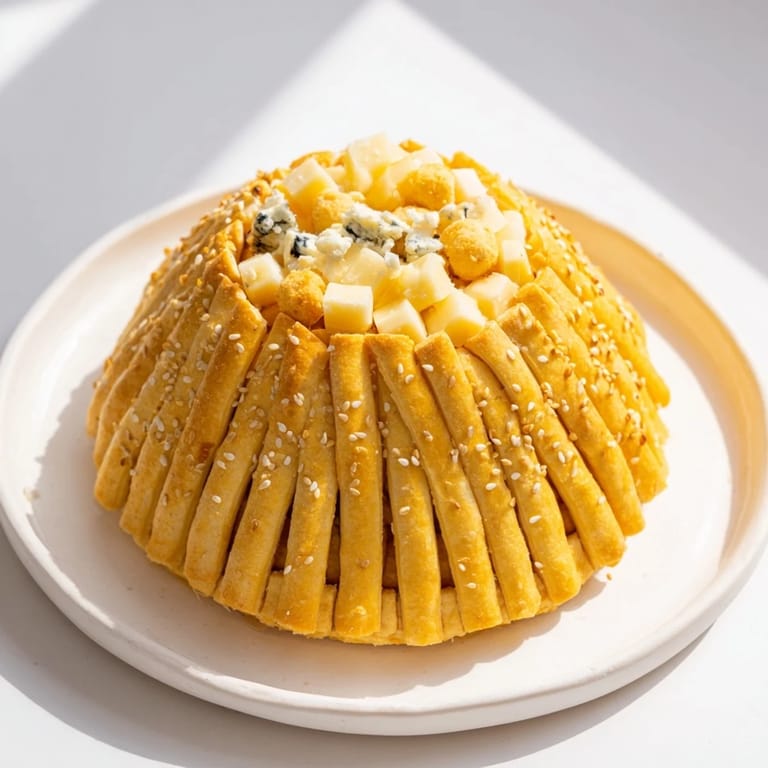
Save The Gilded Cage is less a recipe and more a permission slip to be a little theatrical in your kitchen. Make it when you want to feel like a chef, and share it with people who deserve a moment of genuine delight.
Recipe FAQs
- → How do I ensure the breadsticks stay crisp?
Bake the breadsticks until golden and let them cool completely on a wire rack to maintain crispness and avoid sogginess.
- → Can I prepare the breadsticks in advance?
Yes, breadsticks can be baked a day ahead and stored in an airtight container to retain freshness before assembling.
- → What cheeses work best for this dish?
A mix of creamy, aged, and aromatic cheeses such as Brie, Comté, truffled goat cheese, blue cheese, and Parmigiano creates depth and contrast.
- → How can I assemble the dome structure securely?
Gently press the breadsticks into the cheese mound for support or use a small bowl as a mold during assembly, removing it afterward.
- → Are there vegetarian considerations to keep in mind?
All included cheeses are vegetarian-friendly; however, check for animal-derived rennet if strict vegetarian adherence is needed.
- → What garnishes complement this centerpiece?
Seedless grapes, honey or fig jam, and fresh herbs like thyme or rosemary add sweetness and herbal aroma enhancing flavor complexity.