 Save
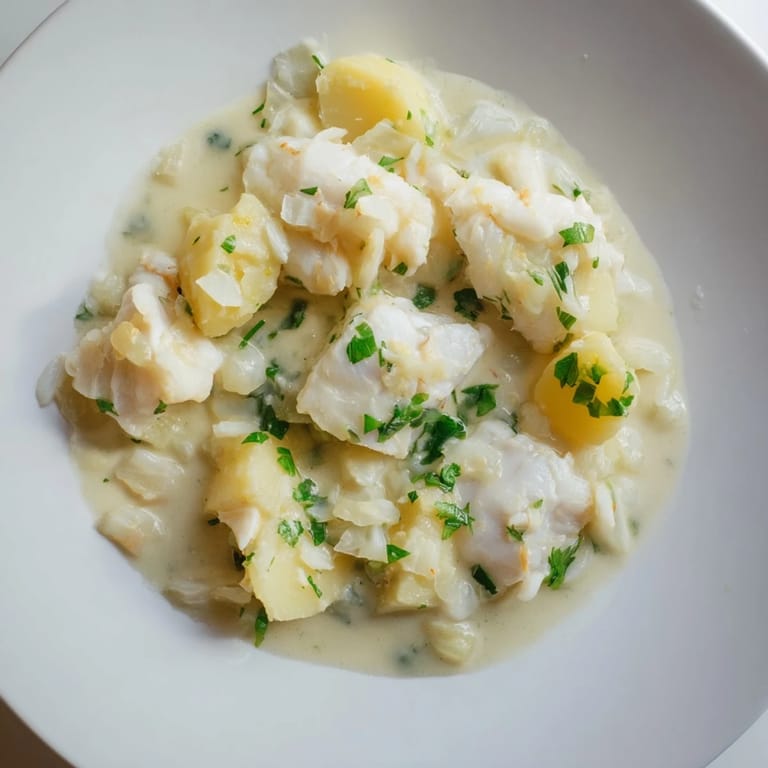
Save My first real taste of Iceland came not from the Golden Circle or the Northern Lights, but from a steaming bowl of fish stew on a November evening when the sky had already surrendered to darkness at 4 PM. A friend's grandmother in Reykjavik served it quietly, without fanfare, and I realized halfway through that I was tasting something deeply personal—not a recipe performed for guests, but a dish that had sustained her family through long, unforgiving winters. The creamy broth clung to the tender fish, the potatoes had softened into something almost sweet, and the herbs whispered just enough freshness to remind you that even in the cold, green things still grew.
Years later, I made this for my partner on the first truly cold evening of autumn, when sweaters finally made sense again. We sat at the kitchen table while it simmered, and the cream turned the broth into something almost velvet—I remember he looked genuinely surprised that something so comforting could come from my kitchen. That bowl became the reason he started asking me to make stew whenever the weather turned, which is its own kind of compliment.
Ingredients
- Cod or haddock fillets (500 g / 1 lb), skinless and boneless: White fish is key here—it's delicate enough to flake into the stew without falling apart, and it doesn't overpower the cream. Don't skip the quality; ask your fishmonger for something fresh that day.
- Butter (60 g / 4 tbsp): This is your flavor foundation, so use real butter, not a substitute. It brings richness that feels indulgent but never heavy.
- Whole milk (500 ml / 2 cups) and heavy cream (100 ml / ⅓ cup + 1 tbsp): The dairy is what transforms this from soup into stew—thick, nourishing, and comforting. Whole milk matters because it has enough fat to feel luxurious without curdling under heat.
- Potatoes (500 g / 1 lb), peeled and diced: Cut them into roughly ½-inch cubes so they cook evenly and some can break down slightly into the broth while others hold their shape. Waxy potatoes work better than floury ones here.
- Medium onion, finely chopped: One onion is enough to give sweetness without drowning the more delicate fish flavor. Chop it small so it dissolves almost completely into the butter.
- Fresh parsley and chives (2 tbsp each), chopped: These aren't just garnish—they're the brightness that keeps the stew from feeling heavy. Use them fresh; dried herbs won't give you the same lift.
- Bay leaf, salt, white pepper, and nutmeg: The bay leaf seasons the fish as it poaches, white pepper is gentler than black on the palate, and just a whisper of nutmeg adds a warmth you won't quite identify but will make people ask for seconds.
Tired of Takeout? 🥡
Get 10 meals you can make faster than delivery arrives. Seriously.
One email. No spam. Unsubscribe anytime.
Instructions
- Start the potatoes first:
- Dice your potatoes and get them into salted, boiling water right away. They need 12 to 15 minutes to become tender but not disintegrate. This head start is your secret to having everything ready at the same time.
- Poach the fish gently:
- While the potatoes cook, cover your fish fillets with water in a saucepan, add the bay leaf and a pinch of salt, and let them simmer so gently the water barely trembles. You want the fish opaque and flaking in about 6 to 8 minutes, not rubbery. Save that cooking liquid—it's liquid gold for the stew.
- Build the base with butter and onion:
- In your large pot, melt butter over medium heat and watch it turn golden and fragrant. Add the chopped onion and let it soften for about 5 minutes, stirring occasionally, until it's almost translucent and smells like comfort.
- Combine potatoes and begin mashing:
- When the potatoes are tender, drain them and add them to the butter and onion. Use a potato masher to break down about half of them, leaving some chunks for texture—you want something between chunky and smooth, more like a rough mash.
- Add the fish carefully:
- Flake the poached fish into large, tender pieces and fold them gently into the potato mixture along with the reserved poaching liquid. Stir with care because you want those fish pieces to stay distinct in the stew.
- Pour in the cream and milk:
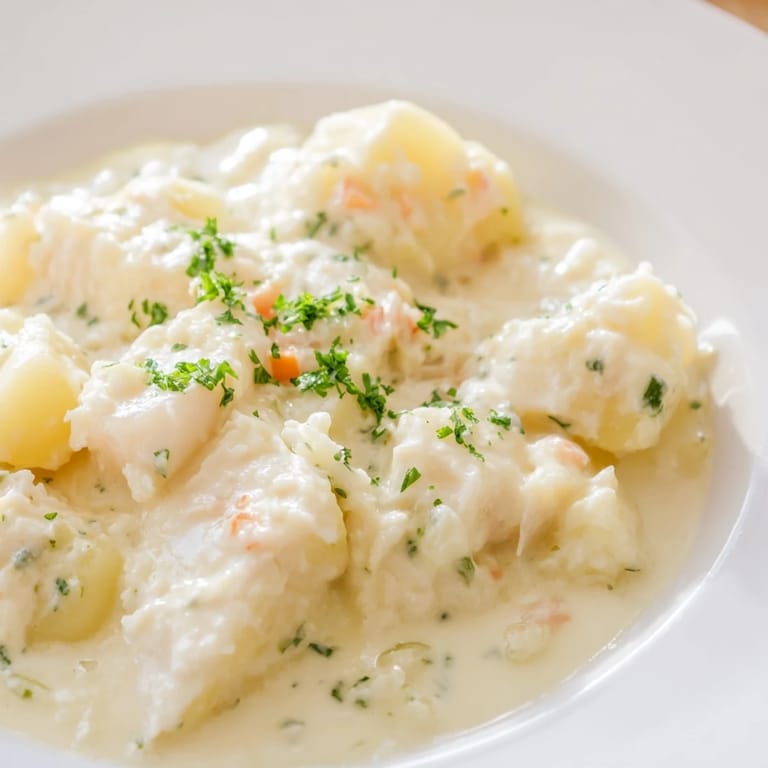
- Add the milk and cream slowly, stirring as you pour so it blends smoothly. Keep the heat at medium-low and stir often—you're looking for the stew to become creamy and heated through, but never boiling, which will make it grainy and separate.
- Season to taste and finish:
- Once everything is warm and creamy, taste it and add salt, white pepper, and just a small pinch of nutmeg if you want that subtle warmth. Stir in half the parsley and chives, saving the rest for a fresh garnish on each bowl.
- Serve with intention:
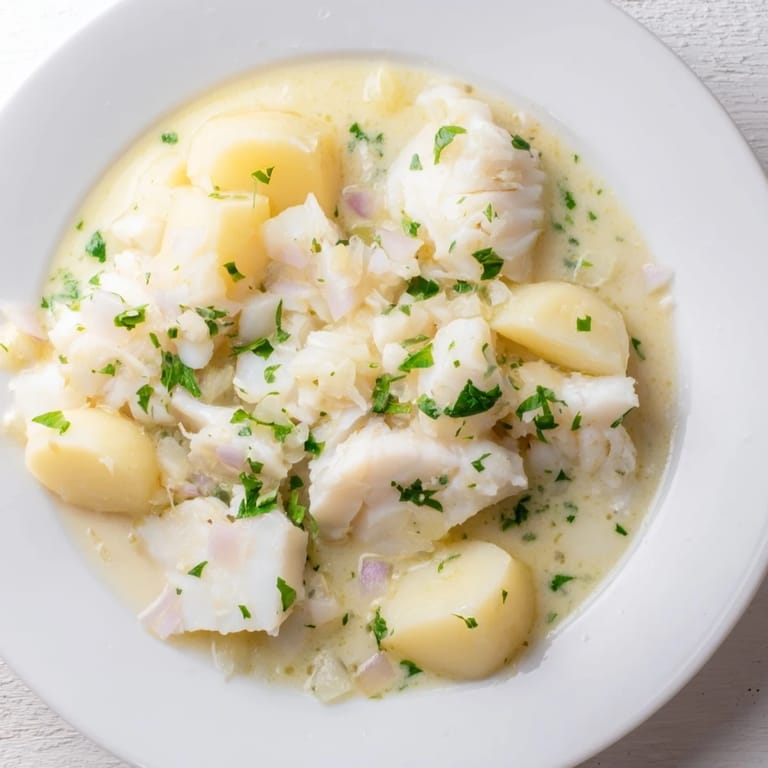
- Ladle the stew into warm bowls and scatter the remaining herbs on top. If you have dark rye bread, tear some into the stew or serve it alongside for soaking.
 Save
Save There's a moment in cooking this stew when everything comes together—when the cream hits the warm potatoes and the fish breaks apart into the broth, and the whole kitchen smells like something your grandmother might have made. It stops being a recipe and becomes a small act of caring, both for yourself and for anyone sitting at your table waiting to taste it.
Why This Stew Works
Icelandic fish stew is practical cooking born from necessity—a way to stretch modest ingredients into something satisfying when the land is frozen and resources are limited. But what started as necessity became comfort, then tradition, then something people crave when they want to feel held by their food. The beauty of it is in its simplicity: quality fish, a few vegetables, some dairy, and the patience to build layers of flavor without fuss. It's proof that the best meals don't require techniques you need to practice for years; they require attention and care.
Variations You Might Try
I've made this stew a dozen ways, and it's forgiving enough to bend to what you have on hand. Smoked fish adds a completely different dimension—try haddock that's been lightly smoked, and it becomes something smokier and more complex. Sometimes I use a mix of white fish: cod, haddock, and even halibut if I can find it, which makes the stew taste more layered and interesting. For a lighter version, some cooks skip the cream entirely and use only milk, which is still delicious but less decadent. You can also add a handful of spinach or dill at the end for more freshness, or even a splash of aquavit if you want to taste what the Icelanders actually drink with this.
What to Serve It With
Traditional Icelandic rúgbrauð—dark, dense rye bread—is the authentic pairing, but honestly, any good bread works. Thick sourdough, hearty whole wheat, or even buttered toast will soak up the creamy broth in the most satisfying way. Some people serve it with a simple green salad on the side to cut through the richness, which I appreciate on nights when I want something a bit lighter. The stew is complete on its own, but these additions turn it into a full meal that feels like an event, not just dinner.
- Dark rye or sourdough bread, thickly sliced and buttered, is non-negotiable for soaking up every last spoonful of broth.
- A small side salad with a sharp vinaigrette balances the creamy richness perfectly.
- A cold glass of something crisp—white wine or even water with lemon—is how you finish a meal like this.
 Save
Save Every time I make this stew, I'm cooking something that has sustained people through dark winters and quiet moments, and that feels like privilege. It's the kind of dish that reminds you why cooking matters—not for performance or pictures, but because feeding someone well is a way of saying you care.
Recipe FAQs
- → What type of fish is best for this stew?
White fish like cod or haddock work best due to their mild flavor and firm texture that flakes nicely after poaching.
- → How do I achieve the creamy texture without curdling?
Use low heat when adding milk and cream, stirring frequently, and avoid boiling to keep the mixture smooth and creamy.
- → Can I prepare this stew ahead of time?
Yes, it can be made in advance and gently reheated, stirring occasionally to maintain the creamy consistency.
- → What herbs complement the flavors in this dish?
Fresh parsley and chives add bright, fresh notes that balance the richness of the creamy base beautifully.
- → Is rye bread a traditional accompaniment?
Yes, traditional Icelandic rye bread pairs excellently, providing a dense, slightly sweet contrast to the creamy stew.