 Save
Save My first cepelinai came from my grandmother's kitchen on a cold January evening, when the whole house smelled like bacon and earth. She stood at her wooden counter with flour dusting her apron, hands moving through the potato dough like she was having a conversation with it. I watched her shape each dumpling with such care, and I realized then that these weren't just potato pillows—they were little pockets of tradition, stories wrapped in starch. That night, sitting around the table with steam rising from our bowls, I understood why cepelinai had survived generations in her family.
I made these for a dinner party last spring, and my Polish neighbor—who'd never tried Lithuanian food—came back into the kitchen asking for the recipe before dessert was even served. She was skeptical of potato dumplings at first, but the way the meat filling released its flavor when she bit through that tender potato exterior changed her mind completely. Watching someone fall in love with food you've made is its own kind of magic.
Ingredients
- Starchy potatoes (1.5 kg raw, plus 2 boiled): This is your foundation—use waxy varieties and you'll fight moisture the whole way through, so stick with russets or another high-starch potato that grips the filling properly.
- Ground pork and beef (250g and 150g): The meat blend matters more than you'd think; pork brings tenderness while beef adds depth, and the two together create that savory soul the sauce needs to complement.
- Potato starch: This sounds optional but it's honestly your insurance policy against soggy dumplings; if you skip it, you'll need to squeeze those potatoes like you're angry with them.
- Bacon or smoked pork belly (150g): Buy real bacon, not the sad thin stuff; you want it to render its fat into something golden and fragrant that makes the whole sauce sing.
- Sour cream (300ml): Full-fat sour cream, always—anything else tastes thin and disappointing against the richness of the filling.
Tired of Takeout? 🥡
Get 10 meals you can make faster than delivery arrives. Seriously.
One email. No spam. Unsubscribe anytime.
Instructions
- Prepare your potatoes with patience:
- Grate the raw potatoes and squeeze them hard through cheesecloth until your hands ache a little—this is where you prevent waterlogged dumplings. Let the liquid sit so the starch settles to the bottom, then pour off the clear water and save that precious white powder.
- Build your dough foundation:
- Mix the squeezed potatoes with mashed boiled ones, salt, and that reserved starch until everything holds together like soft clay. It should feel slightly sticky but not wet; if it slides apart, dust in more starch one teaspoon at a time.
- Season your filling boldly:
- Combine both meats with finely chopped onion, garlic, salt, and pepper, mixing it like you're kneading bread—you want the texture to become almost paste-like so it stays sealed inside the dumpling.
- Shape with wet hands and intention:
- Work with damp hands so the dough doesn't stick; grab about an egg-sized piece, flatten it, add a heaping tablespoon of filling to the center, then seal it by bringing the edges together and forming an oval that's pointed at both ends, like a little football. This shape isn't just pretty—it helps them cook evenly.
- Simmer gently, never aggressively:
- A rolling boil will tear open your dumplings, so keep the water at a gentle simmer where they can float peacefully. When they bob to the surface, they're not done yet; they need another 5 to 10 minutes to firm up inside.
- Create the sauce while they cook:
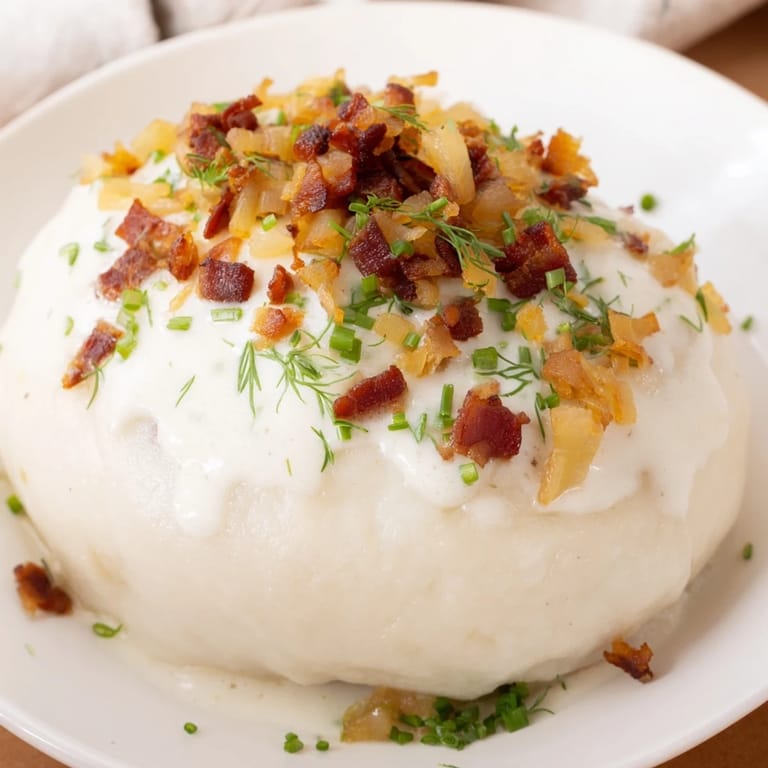
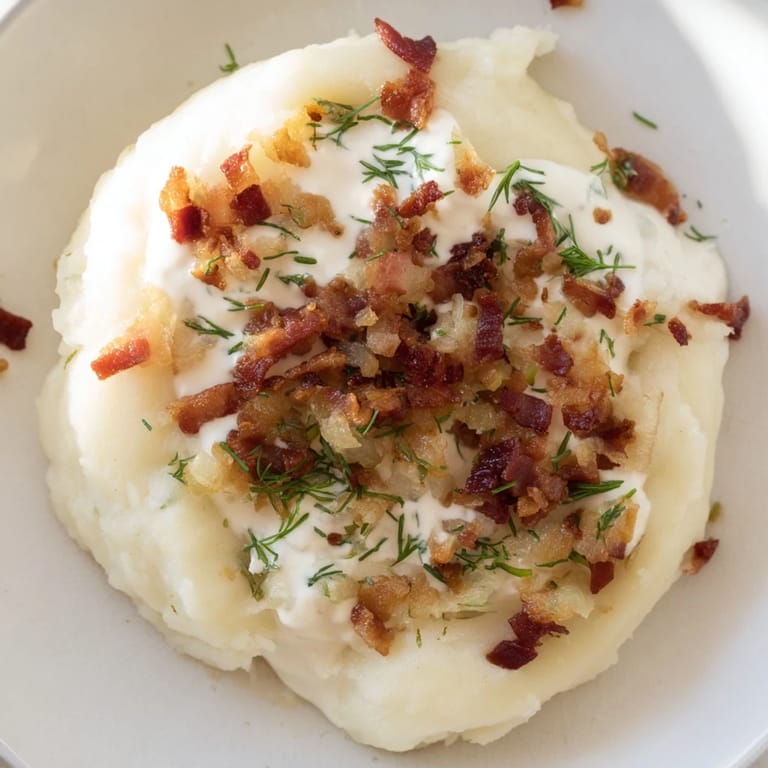
- Render the bacon slowly so it gets crispy and releases all its fat, then soften the onions in that rendered gold, and only then stir in the sour cream off the heat so it doesn't break. Stir in fresh dill at the very end, and you'll have something that tastes like it took all day to make.
 Save
Save There was one afternoon when I made cepelinai for a friend who'd moved away, and she cried a little when she tasted them. Turns out, her mother used to make them for her birthday every year, and she hadn't had them in a decade. Food has this power to collapse time—suddenly you're not just eating, you're remembering someone's love through what they left behind.
Shaping Without Stress
The most important thing I've learned about shaping these dumplings is that they don't have to be perfect—my grandmother's were wonky and beautiful, and they tasted incredible. Keep your hands wet the whole time, work fairly quickly so the potato dough doesn't start oxidizing and turning gray, and don't overthink it. The filling won't escape if you seal them properly, and if you're nervous, make them a little thicker to give yourself more margin for error.
Making Ahead and Freezing
One of the best-kept secrets about cepelinai is that they freeze beautifully before cooking. I line a tray with parchment, arrange the shaped dumplings on it, and once they're solid, I slide them into a freezer bag and they'll keep for months. When you're ready to cook them, don't thaw them—just add an extra 10 minutes to the cooking time and they emerge from the water exactly as good as if you'd cooked them fresh.
The Sauce is Where the Magic Happens
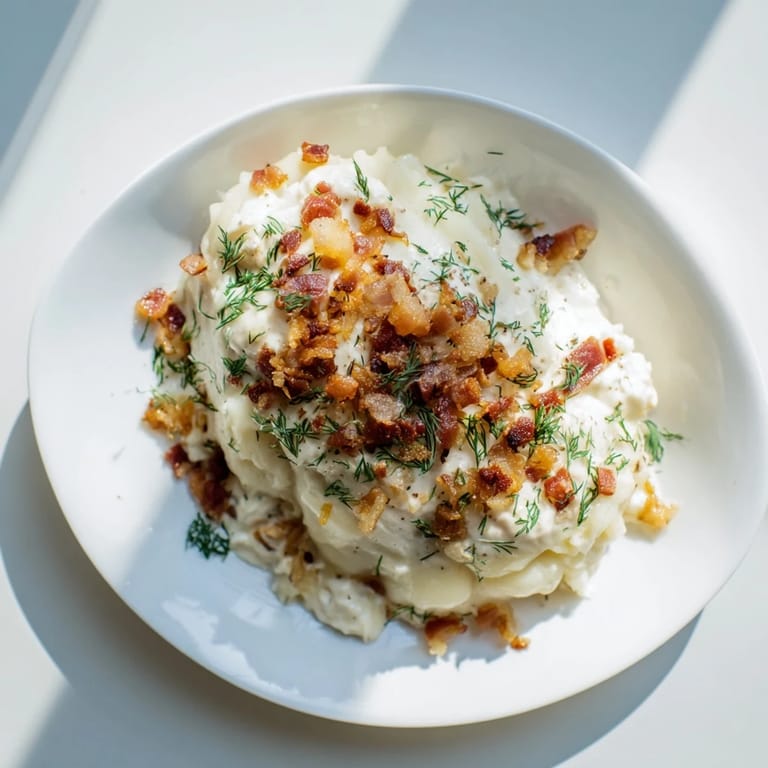
I used to think the dumplings were the star, but I've changed my mind—the sauce is actually where every flavors live. The bacon renders and perfumes everything, the onions melt into sweetness, and then the sour cream comes in and ties it all together into something creamy and rich. The dill at the end feels like a whisper, bright and herbaceous, cutting through all that richness so you want another spoonful immediately. This is a sauce that rewards patience, so don't rush it or let it boil, or you'll break the sour cream and lose everything you've built.
- Make extra sauce—everyone always wants more than they think they will.
- If your sour cream breaks, whisk in a splash of cold water to bring it back together.
- Serve the cepelinai hot but the sauce at warm, not piping, so the heat and richness combine perfectly.
 Save
Save Cepelinai are the kind of dish that reminds you why people gather around tables—there's something about food this personal, this labor-intensive, that brings out the best in everyone. Make them when you want to say something that words alone can't quite reach.
Recipe FAQs
- → What type of potatoes work best for cepelinai?
Starchy potatoes are ideal, as they create a firm yet tender texture when grated and combined with mashed potatoes.
- → How can I keep the dumplings from falling apart during cooking?
Proper squeezing of the grated potatoes to remove excess liquid, plus optional potato starch, helps bind the dough together to hold shape.
- → Can the filling be customized?
Yes, while pork and beef are traditional, mixing all pork, all beef, or sautéed mushrooms and onions for a vegetarian option works well.
- → How is the sauce prepared?
The sauce involves frying diced bacon until crisp, sautéing onions until golden, then gently warming sour cream with dill without boiling.
- → What is the best cooking method for cepelinai?
Simmer the dumplings gently in salted water until they float and feel firm, avoiding boiling that could break them apart.