 Save
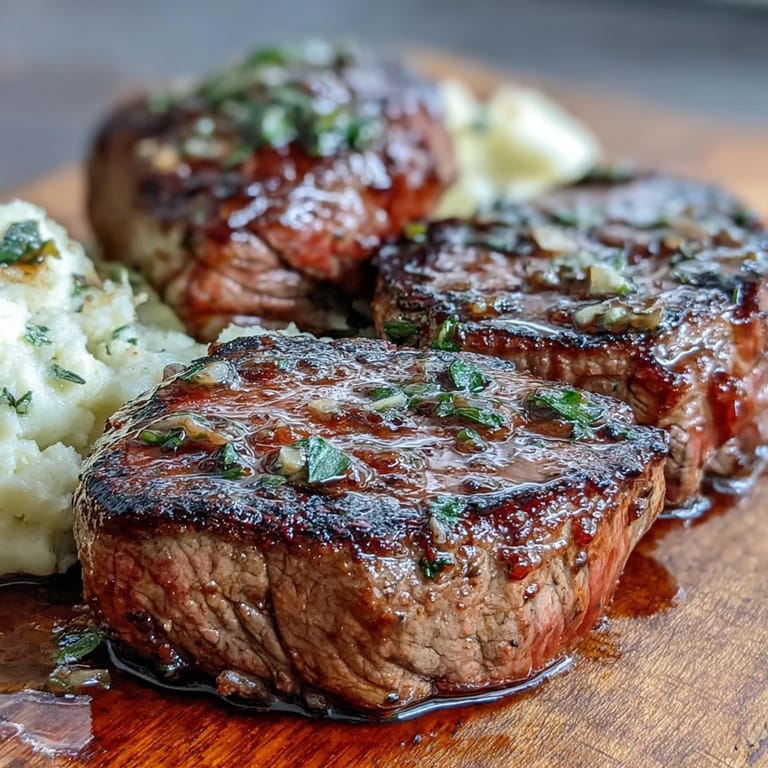
Save The smell of venison hitting a screaming hot pan still brings me back to a rainy Saturday when I impulse-bought four gorgeous ruby-red steaks at the farmers market. I had no plan, just a vague memory of caraway seeds my neighbor mentioned once. That earthy, almost anise-like warmth turned out to be the exact bridge the rich meat needed. I served it over swede I nearly overcooked while distracted by a phone call, but the buttery mash forgave everything. It became the dish I make when I want to feel like I know what Im doing in the kitchen, even when I dont.
I made this for my brother once after he spent all afternoon splitting firewood in the cold. He walked in just as I was plating, cheeks red and hands still stiff, and the look on his face when he tasted that first bite made me realize some meals are really just edible warmth. We didnt talk much during dinner. The wine sauce ran into the mash, the venison was exactly medium-rare, and for once I didnt apologize for anything I cooked.
Ingredients
- Venison steaks: Look for steaks about 2 cm thick so they sear beautifully without drying out, and always let them come to room temperature before cooking or theyll tense up in the pan.
- Olive oil: A light coating helps the thyme stick and creates that gorgeous crust without overpowering the delicate gamey flavor.
- Fresh thyme leaves: Strip them right off the stem for a piney, earthy note that loves red meat, dried thyme works but fresh makes you look like you tried.
- Swede: This humble root becomes sweet and creamy when boiled long enough, peel it thick because the outer layer can be bitter and waxy.
- Unsalted butter: It melts into the mash like a dream and gives you control over the salt level, which matters when youre adjusting at the end.
- Double cream: Just two tablespoons transform the swede from rustic to luxurious, but milk works if you want to keep it lighter.
- Caraway seeds: Toasting them wakes up their warm, slightly sweet flavor and fills the kitchen with a smell that makes people wander in asking whats for dinner.
- Red wine: Use something youd actually drink, the flavor concentrates fast and cheap wine tastes cheap even in a sauce.
- Beef or game stock: Good stock makes the sauce taste like you simmered it for hours, store-bought is fine if its rich and not too salty.
- Redcurrant jelly: A tiny spoonful adds a fruity sharpness that cuts through the richness, but its optional if you dont have it on hand.
Tired of Takeout? 🥡
Get 10 meals you can make faster than delivery arrives. Seriously.
One email. No spam. Unsubscribe anytime.
Instructions
- Boil the swede until soft:
- Get a large pot of salted water bubbling hard, then add your diced swede and let it cook for 20 to 25 minutes until a fork slides through like butter. Dont rush this, undercooked swede is grim and fibrous.
- Prep the venison:
- While the swede bubbles away, pat those steaks completely dry with paper towel, then rub them all over with olive oil, thyme, salt, and pepper. Let them sit on the counter so theyre not fridge-cold when they hit the pan.
- Toast the caraway seeds:
- Toss the caraway seeds into a dry pan over medium heat and shake them around for a minute or two until they smell nutty and fragrant. Tip them out immediately so they dont burn and turn bitter.
- Mash the swede:
- Drain the cooked swede really well, then return it to the pot and add butter, cream, toasted caraway, salt, and pepper. Mash it up until its mostly smooth but still has a bit of texture, then cover and keep it warm.
- Sear the venison:
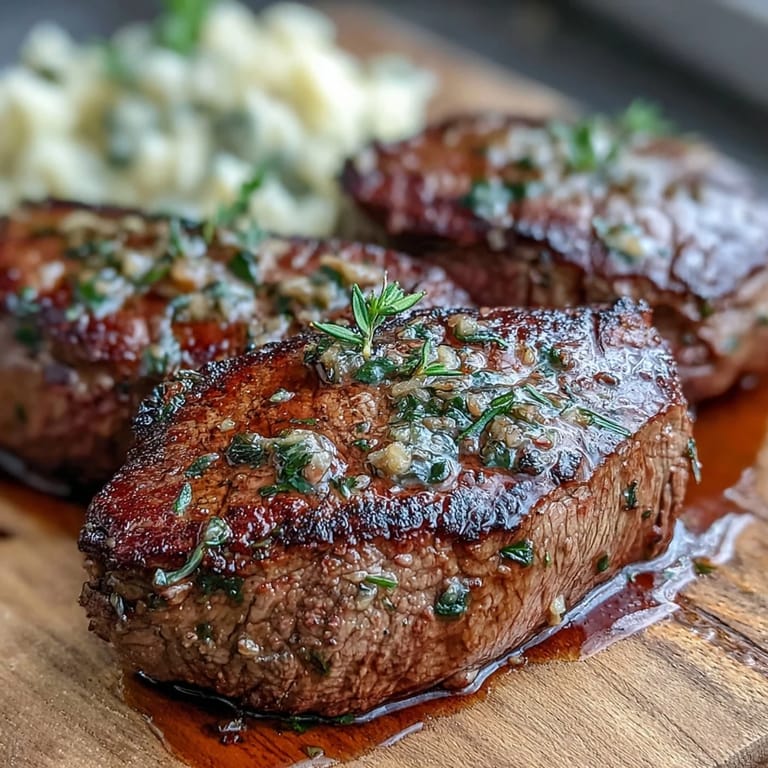
- Get a heavy skillet or griddle pan properly hot, then lay the steaks in without crowding and sear for 2 to 3 minutes per side for medium-rare. Let them rest on a warm plate loosely covered with foil for 5 minutes so the juices settle back in.
- Make the optional sauce:
- Pour the red wine into the same hot pan to deglaze all those tasty stuck bits, then add stock and redcurrant jelly and let it bubble hard until its syrupy. Whisk in cold butter off the heat for shine and richness, then taste and season.
- Plate and serve:
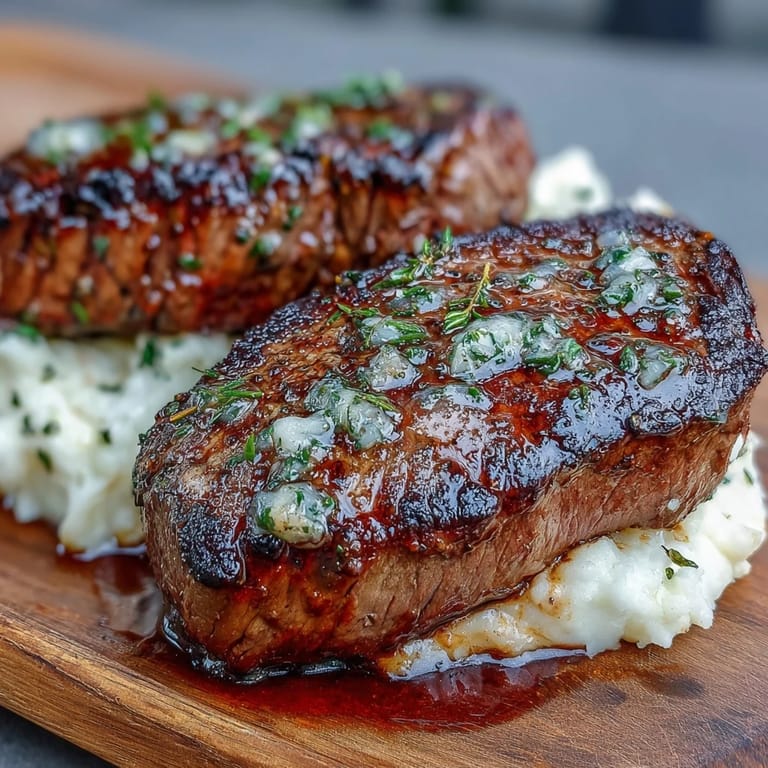
- Spoon a generous mound of caraway swede onto each plate, slice or lay the venison on top, and drizzle with the glossy red wine sauce if youve made it.
 Save
Save This dish showed up at a small dinner party I threw in February when everyone was tired of winter. I plated it simply, just meat and mash and a drizzle of sauce, and my friend Sarah who never finishes anything on her plate asked if there were seconds. That night the conversation turned easy and the candles burned low, and I realized that sometimes the best thing you can do for people is feed them something warm and unpretentious that just tastes like care.
Choosing and Cooking Venison
Venison is leaner than beef and can go from perfect to tough and dry in less than a minute. I learned this the hard way when I left my first attempt on the heat too long and ended up with something closer to leather than dinner. Now I use a meat thermometer and pull the steaks at 55 degrees Celsius for medium-rare, knowing theyll climb a few degrees while resting. If your steaks are thicker than two centimeters, give them an extra minute per side but watch them closely. The key is a hot pan, patience, and trusting that a little pink in the middle is exactly what you want.
Making the Most of Swede
Swede doesnt get nearly enough love, but when its cooked right it has this gentle sweetness and creamy texture that makes it better than regular mashed potato in my opinion. The trick is boiling it until its properly soft, not just tender, because it needs to break down completely to mash smoothly. I add the butter and cream while its still steaming hot so everything melts together into this glossy, rich mash. If you want to change things up, try half swede and half parsnip for a slightly sweeter flavor, or throw in a pinch of nutmeg at the end for warmth.
Serving Suggestions and Pairings
This dish feels complete on its own, but a handful of sautéed kale or cavolo nero on the side adds color and a slightly bitter contrast that works beautifully. Roasted carrots or parsnips are another good shout if you want more roots on the plate. I once served it with pickled red cabbage and the sharp tang was perfect against the rich meat and buttery mash.
- Pour a bold red wine like Syrah, Malbec, or a northern Rhone if you want to match the intensity of the venison.
- Leftovers reheat surprisingly well, just slice the venison thin and warm it gently in the sauce so it doesnt toughen.
- If youre cooking for someone who doesnt eat game, this exact method works brilliantly with thick-cut sirloin or ribeye steaks.
 Save
Save This recipe has become my cold-weather comfort, the thing I make when I want to feel grounded and capable. I hope it does the same for you.
Recipe FAQs
- → What is the best way to cook venison steaks to keep them tender?
Venison is a lean meat, so it's best cooked quickly over high heat to medium-rare or medium. Avoid overcooking, as it can become tough. Let the steaks rest for 5 minutes after cooking to retain their juices.
- → Can I substitute swede with another vegetable?
Yes, you can use parsnips, celeriac, or a combination of root vegetables. These alternatives provide a slightly different but equally delicious flavor profile that complements the venison well.
- → What does caraway add to the crushed swede?
Caraway seeds bring a warm, slightly anise-like flavor that pairs beautifully with the earthy sweetness of swede. Toasting the seeds beforehand enhances their aromatic qualities.
- → Is the red wine sauce necessary?
The sauce is optional but highly recommended. It adds depth and richness to the dish, balancing the lean venison with a glossy, slightly sweet reduction that ties all the flavors together.
- → How do I know when venison steaks are cooked to medium-rare?
For medium-rare, cook the steaks for 2–3 minutes per side over medium-high heat. The internal temperature should reach about 52–57°C (125–135°F). The meat should feel slightly springy to the touch.
- → What wine pairs best with this dish?
A robust red wine like Syrah, Malbec, or Côtes du Rhône complements the rich, gamey flavor of venison. The wine's tannins balance the meat's lean texture and the buttery swede.