 Save
Save There's something almost meditative about the sound of vegetables hitting a hot wok, that quick sizzle that tells you everything is about to come together in minutes. I stumbled into this peanut sauce stir-fry on a Tuesday evening when I had fifteen minutes, a hungry family, and a crisper drawer that needed rescuing. What started as a practical solution became the go-to meal I now make when I want something that feels indulgent but doesn't demand hours in the kitchen.
I made this for my neighbor one rainy Saturday when she mentioned offhand that she was tired of ordering in during her busy week. Watching her face light up when she tasted it, then immediately asking for the recipe, reminded me that the simplest meals often mean the most. Now when she makes it, she sends me photos of her variations, and somehow that feels like the highest compliment.
Ingredients
- Broccoli florets: The secret is cutting them small enough that they get slightly charred at the edges, which happens in just a few minutes over high heat.
- Red and yellow bell peppers: The color isn't just pretty; each brings a slightly different sweetness that deepens the sauce's complexity.
- Carrot, sliced diagonally: This cut isn't fussy, it's practical—thinner pieces cook faster and catch the sauce better.
- Sugar snap peas: These stay wonderfully crisp if you don't overcook them, which is why timing matters so much in stir-fries.
- Red onion, thinly sliced: Raw onion has bite, but those few minutes in the wok soften it into something sweet and mellow.
- Garlic and ginger: Added at the end so they perfume everything without burning; this is where the dish gets its aromatic soul.
- Natural peanut butter: The kind with just peanuts and maybe salt, nothing else—it creates a sauce that tastes intentional, not processed.
- Soy sauce: Use tamari if gluten matters to you, but don't skip this layer of umami that makes the whole thing sing.
- Rice vinegar: Just a touch to cut through richness and keep the sauce from feeling heavy, even though it's peanut-based.
- Maple syrup or honey: A whisper of sweetness that balances the salt and heat, making the sauce complex instead of one-note.
- Toasted sesame oil: A small amount goes a long way; this is where nuttiness comes from beyond just the peanuts.
- Warm water: Keeps the sauce pourable without diluting the flavor, and you control the consistency entirely.
Tired of Takeout? 🥡
Get 10 meals you can make faster than delivery arrives. Seriously.
One email. No spam. Unsubscribe anytime.
Instructions
- Build your sauce while the pan heats:
- Whisk peanut butter with soy sauce, rice vinegar, maple syrup, sesame oil, and warm water until completely smooth. The warmth of the water makes the peanut butter blend like silk instead of fighting you. Taste it before you set it aside—this is your moment to adjust sweetness or heat without rushing.
- Get your wok screaming hot:
- Medium-high heat is the sweet spot where oil shimmers but doesn't smoke. A splash of neutral oil helps, though a good nonstick skillet works too; the high heat is what matters for that quick cook.
- Stir-fry the sturdy vegetables first:
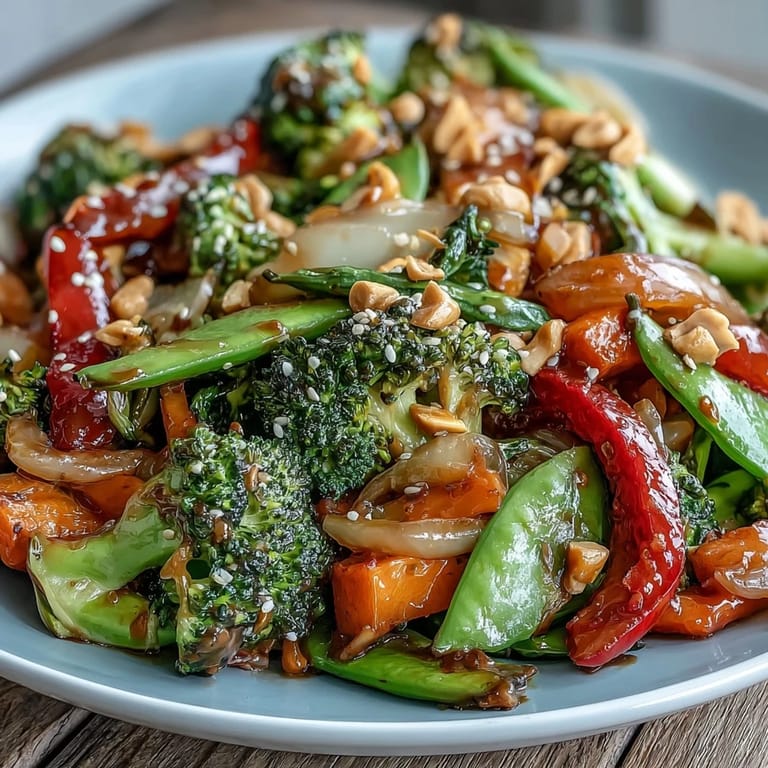
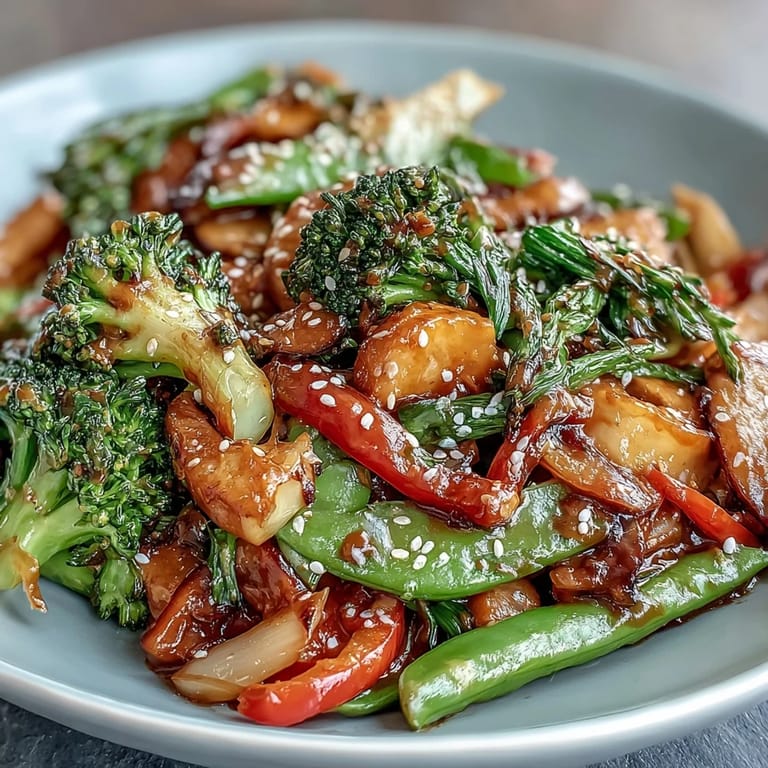
- Broccoli, peppers, carrot, and peas go in together because they all need those four to five minutes to soften just slightly while keeping their crunch. Keep moving them around the pan; stillness is the enemy of good stir-fry.
- Add the aromatics at just the right moment:
- When the vegetables are nearly done, garlic and ginger get their minute—any longer and they turn acrid, so stir constantly and lean in to smell when they're perfect. That fragrance is your timer.
- Coat everything in sauce and finish:
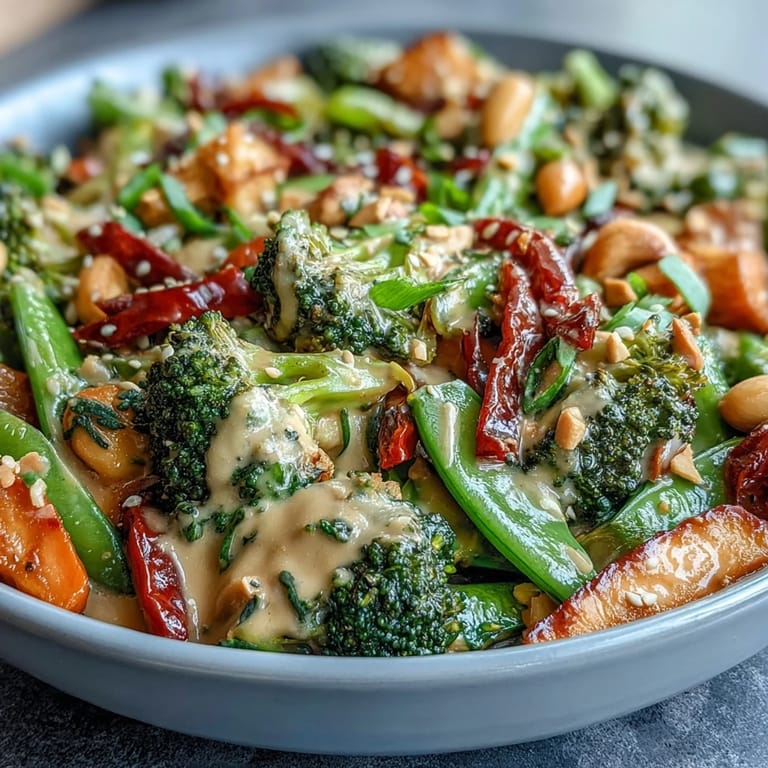
- Pour the peanut sauce over the hot vegetables and toss everything together for one to two minutes until it's glossy and warm. The heat of the pan brings out the sesame oil's aroma and softens the sauce into every crevice.
- Serve while everything's still hot and textured:
- Over rice if you want substance, but honestly the vegetables themselves are filling. Top with peanuts, green onions, sesame seeds, and a squeeze of lime that brightens everything at the last second.
 Save
Save One evening, my nine-year-old asked if this was "real cooking" since it was so fast, and I realized I'd been apologizing for quick meals when I should have been celebrating them. Speed doesn't diminish care; it just means you're making something delicious without stress.
The Magic of Sauce-First Cooking
Making your sauce before you touch any vegetables sounds like extra steps, but it's actually the opposite. When everything else is moving fast, having that smooth, balanced sauce waiting means you can focus entirely on the pan and the sound and the exact moment things are perfect. There's no scrambling to whisk something together while vegetables wilt into mush; you're completely present in the cooking itself.
Vegetables You Can Swap Without Guilt
This recipe isn't precious about vegetables because it doesn't need to be. Baby bok choy wilts beautifully, mushrooms release their own richness into the sauce, zucchini becomes tender in moments, and even frozen broccoli works in a pinch without changing the soul of the dish. The sauce carries everything, so your vegetables are just there to add texture and color and whatever freshness you happen to have. The confidence to work with what's available is what makes cooking feel less like following rules and more like creating.
Making This Meal Complete
Jasmine rice is traditional because its slight floral note complements the peanut sauce without competing, but brown rice adds a nuttiness that feels equally right. Some nights I skip rice entirely and serve it over cauliflower rice or even just by itself, and the meal never feels incomplete. Lime wedges aren't optional; that citrus burst at the end is what makes each bite feel fresh instead of heavy.
- A cold glass of unsweetened iced tea or a crisp white wine like Riesling turns this from weeknight dinner into something that feels like you tried.
- Doubling the sauce is never wrong—extra peanut sauce is a gift to future you that will make tomorrow's leftovers even better.
- If you want protein beyond the peanut butter, cubed tofu or tempeh cooks right alongside the vegetables, or simply toss in some edamame in the last minute.
 Save
Save This stir-fry has become my default answer when someone asks what I'm making for dinner, because it asks for almost nothing and delivers everything. That's the kind of recipe worth keeping close.
Recipe FAQs
- → Can I substitute the vegetables in this stir-fry?
Yes, feel free to swap in zucchini, mushrooms, baby corn, or other vegetables you prefer or have available.
- → How do I make this dish gluten-free?
Use tamari instead of regular soy sauce to keep the stir-fry gluten-free without sacrificing flavor.
- → What can I add for extra protein?
Tofu, tempeh, or edamame make excellent protein additions that complement the peanut sauce and vegetables.
- → Is the peanut sauce spicy?
The sauce is mild by default, but you can stir in crushed red pepper flakes for a gentle kick.
- → What are good serving suggestions?
Serve the stir-fry over steamed jasmine or brown rice and garnish with roasted peanuts, green onions, sesame seeds, and a squeeze of lime.