 Save
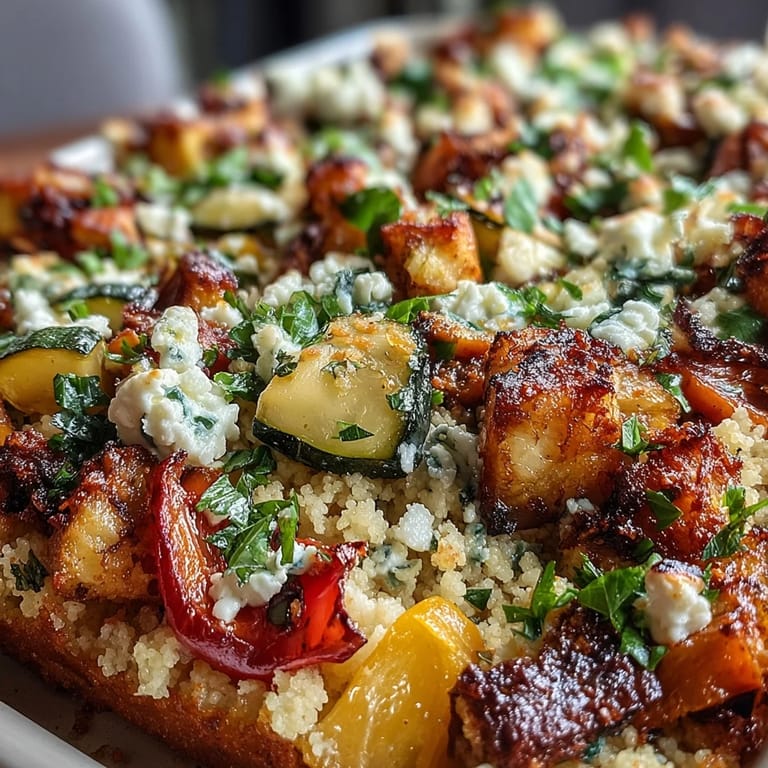
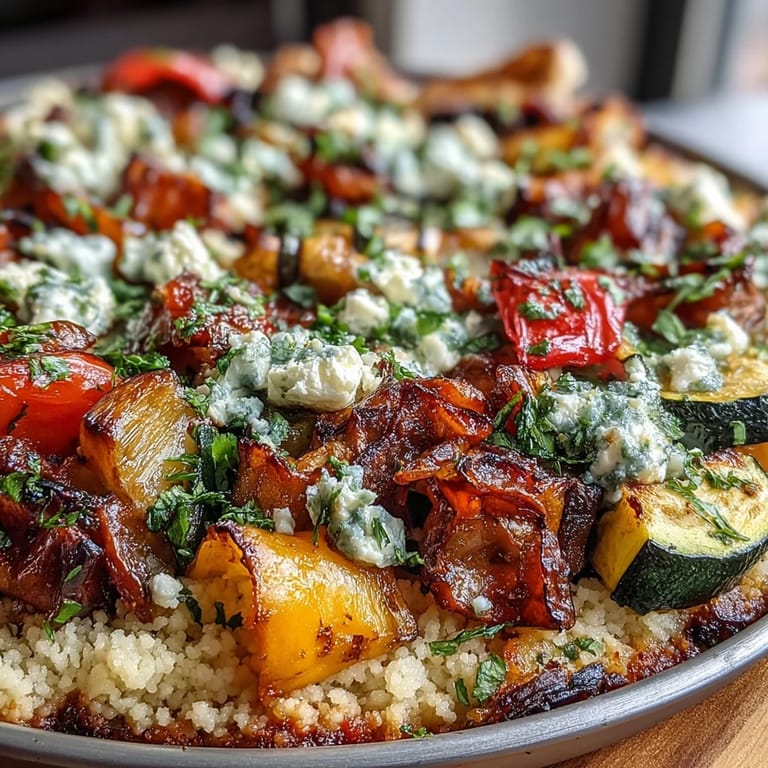
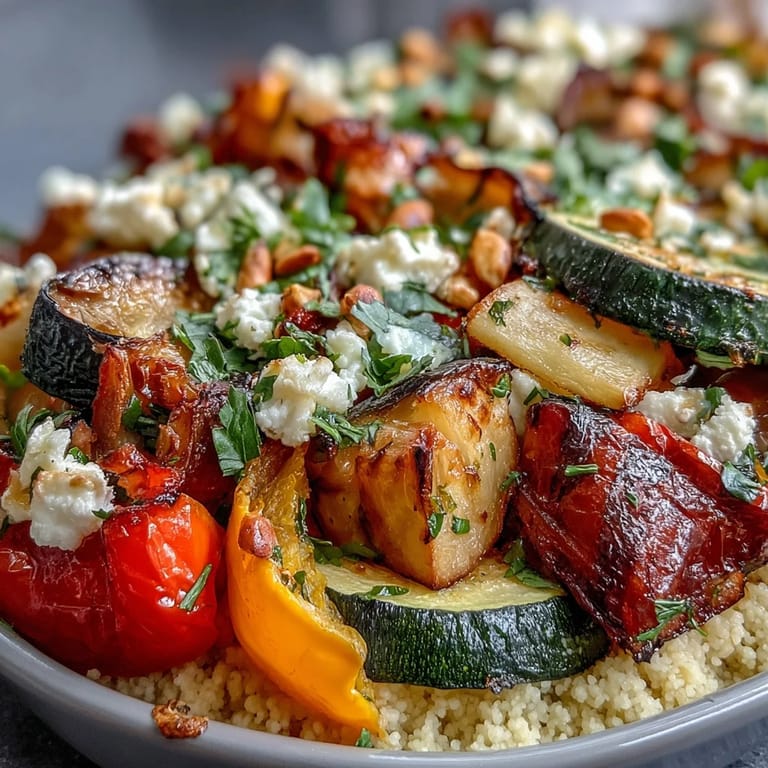
Save There's something about the way roasted vegetables shrink and concentrate their flavors that made me fall in love with this dish during a particularly rainy Mediterranean holiday. I was staying in a small Airbnb with barely functioning appliances, and somehow throwing together whatever produce I could find into a hot oven felt like an act of kitchen rebellion. When the feta started bubbling on top, turning golden at the edges, I realized I'd stumbled onto something I'd want to make again and again.
I served this to friends who claimed they didn't eat many vegetables, and watching them go back for thirds while barely pausing to taste anything else taught me something important about how presentation and cooking method can change minds. The warm, bubbly cheese and fluffy couscous made it feel indulgent rather than virtuous, which I think was the secret all along.
Ingredients
- Zucchini: Medium zucchini diced works best, as larger ones can release too much water and make things soggy during roasting.
- Bell peppers (red and yellow): Color matters here both visually and for subtle flavor differences, with red being slightly sweeter than yellow.
- Red onion: Small is key, as onions intensify when roasted and you want them to complement rather than overpower the other vegetables.
- Eggplant: Diced small and roasted, it becomes tender and almost creamy, soaking up flavors beautifully.
- Olive oil: Use good quality for both roasting and the couscous, as it becomes more prominent once cooked.
- Dried oregano: This Mediterranean staple brings everything together with its warm, slightly earthy notes.
- Sea salt and black pepper: Season vegetables generously before roasting, as this is your chance to build flavor early.
- Couscous: Pearl couscous works too if you prefer more texture, though traditional gives you that light, fluffy result.
- Vegetable broth: Hot broth is essential for proper hydration and fluffiness, so don't skip the boiling step.
- Lemon zest: Brightens everything and prevents the dish from feeling heavy, so don't be shy with it.
- Fresh parsley: Stir most into the couscous while it's still warm to distribute flavor, then use the rest for garnish.
- Feta cheese: Divide it so some melts throughout and some gets bubbly on top for textural contrast.
- Pine nuts: Optional but worth it for a subtle crunch and toasted richness.
- Chili flakes: A whisper of heat cuts through the richness of the cheese and vegetables beautifully.
Tired of Takeout? 🥡
Get 10 meals you can make faster than delivery arrives. Seriously.
One email. No spam. Unsubscribe anytime.
Instructions
- Heat your oven and prep vegetables:
- Preheat to 220°C (425°F) and while it's warming, dice all your vegetables into roughly even pieces so they roast at the same pace. Uneven sizes mean some pieces burn while others stay hard.
- Season and roast:
- Toss vegetables with olive oil, oregano, salt, and pepper on a large baking tray, spreading them in a single layer. After 12 minutes, give everything a stir so the pieces touching the pan get a chance to caramelize on the other side, then let them finish roasting until the edges are golden and the flesh is tender.
- Prepare the couscous:
- While vegetables roast, place dry couscous in a heatproof bowl and pour boiling broth over it, then add olive oil, cover with plastic wrap or a plate, and let it steam undisturbed for exactly 5 minutes. The couscous continues to absorb moisture even after heat is gone, so don't skip this resting period.
- Fluff and season:
- Use a fork to separate the couscous grains gently, working from the edges toward the center so you don't crush them. Stir in lemon zest and fresh parsley while still warm so the flavors distribute evenly.
- Lower oven temperature:
- Reduce heat to 190°C (375°F) before combining everything, as you want gentle heat that melts the cheese without browning the couscous further.
- Combine and assemble:
- In a large bowl, fold together the roasted vegetables, fluffed couscous, and half the crumbled feta with a gentle hand, keeping pieces intact rather than breaking everything down. Transfer to a lightly greased baking dish and top with remaining feta, scattering pine nuts and chili flakes across the surface if using.
- Final bake:
- Bake for 12 to 15 minutes until the top feta layer turns golden and bubbly around the edges. You'll know it's ready when the cheese softens and starts to slightly brown, and the whole dish smells like a Mediterranean coastline.
 Save
Save This dish became something more than food when my grandmother tasted it and told me it reminded her of meals she'd forgotten she loved, back when she spent summers in Greece decades ago. There's a particular magic in feeding people something that unlocks old memories they didn't know they were carrying.
Timing and Flexibility
One evening I realized I'd started this dish thirty minutes before guests arrived, and instead of panicking, I learned that everything can be prepped and roasted ahead of time, then the final assembly and bake happens just before serving. The beauty of this recipe is that you can roast vegetables hours earlier, fluff the couscous while they cool, then combine everything and bake just as people are settling at the table. It's more forgiving than traditional bakes because the components don't suffer from sitting separately for a while.
Vegetable Swaps and Seasonal Thinking
Every time I make this, the vegetables change based on what's in season or what's calling to me at the market, and I've learned that the method works with almost anything that benefits from roasting. Asparagus, mushrooms, cherry tomatoes, fennel, and Brussels sprouts all become tender and sweet with the same treatment, and sometimes I'll add olives or sun-dried tomatoes for extra Mediterranean flavor. The key is respecting cooking times—delicate vegetables like asparagus need less time than dense ones like root vegetables, so adjust your roasting window accordingly.
Elevating and Serving
While this works beautifully as a side dish, serving it with a simple green salad on the side transforms it into a complete, satisfying vegetarian meal that feels restaurant-quality without the fuss. A squeeze of fresh lemon at the table adds brightness, and a drizzle of good olive oil over the top before serving reminds everyone why this ingredient matters.
- Make it ahead by preparing vegetables and couscous separately, then combining and baking just before serving for maximum freshness and cheese bubbling.
- If pine nuts aren't your thing or you have guests with nut allergies, toasted breadcrumbs mixed with a little olive oil and oregano create a similar texture and crunch.
- Leftovers keep well in the refrigerator for three days and can be gently reheated in a moderate oven, though the cheese won't be quite as bubbly on the second time around.
 Save
Save This recipe has become my answer to almost every question about what to bring to a potluck or what to cook when I want something that feels special without requiring special skills. It's proof that you don't need complicated techniques or a long list of obscure ingredients to create something memorable.
Recipe FAQs
- → Can I make this ahead of time?
Yes, you can prepare the roasted vegetables and couscous up to a day in advance. Store them separately in the refrigerator, then combine with feta and bake just before serving. You may need a few extra minutes in the oven to heat through completely.
- → What vegetables work best in this bake?
Zucchini, bell peppers, red onion, and eggplant are classic Mediterranean choices. You can also add cherry tomatoes, diced butternut squash, or artichoke hearts. Root vegetables like sweet potato work well but may need longer roasting time.
- → Is there a good substitute for feta cheese?
Goat cheese or halloumi make excellent alternatives with similar salty profiles. For a dairy-free version, try vegan feta or simply add extra olives and sun-dried tomatoes for that Mediterranean tang.
- → Can I use other grains instead of couscous?
Absolutely! Quinoa, bulgur wheat, or orzo work beautifully with these roasted vegetables. Adjust cooking times according to grain package instructions and ensure grains are fully cooked before combining with vegetables.
- → How do I store leftovers?
Store in an airtight container in the refrigerator for up to 3-4 days. Reheat in the oven at 180°C until warmed through, or microwave individual portions. The flavors often develop even more after a day.
- → Can I make this gluten-free?
Simply replace couscous with quinoa or certified gluten-free couscous alternatives. Ensure all other ingredients, including vegetable broth, are certified gluten-free. The roasting and baking times remain the same.