 Save
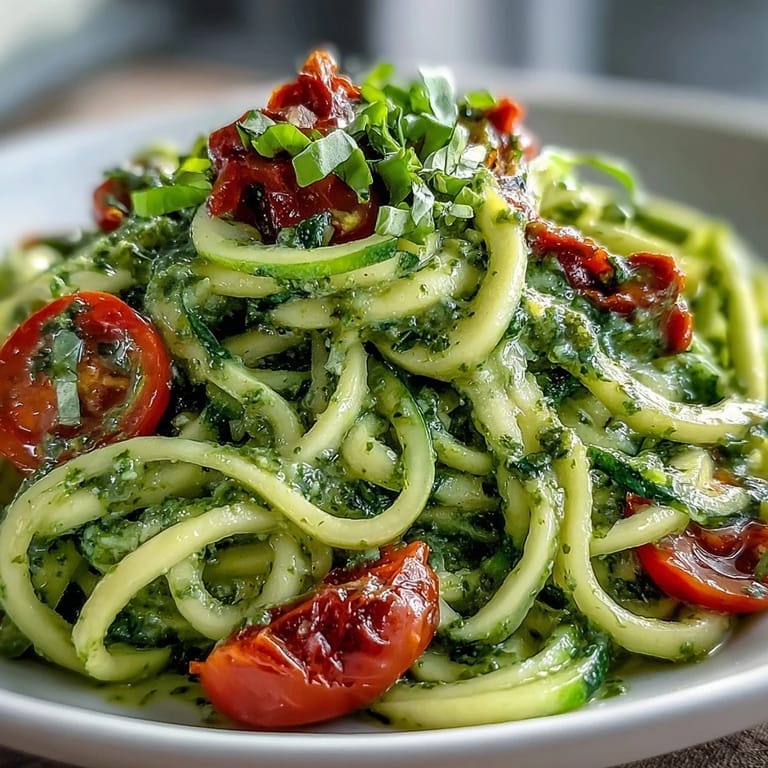
Save I discovered pumpkin seed pesto completely by accident one autumn afternoon when I had a surplus of pepitas from roasting and an overgrown basil plant threatening to take over my kitchen counter. Instead of making the traditional pine nut version, I tossed the pumpkin seeds into my food processor on a whim, and something magical happened. The earthiness of the seeds paired with bright basil created this nutty, vibrant sauce that felt entirely new yet somehow deeply comforting. When I draped it over spiralized zucchini noodles still warm from the pan, I realized I'd stumbled onto something that would become a regular part of my cooking rotation.
I made this for my sister during a surprise visit last spring, and watching her face light up when she tasted it was the kind of moment that reminds you why cooking for people matters. She's vegetarian and often feels limited by restaurant menus, so being able to put something this flavorful and nourishing in front of her felt like a small act of love. She asked for the recipe immediately and texted me three days later with a photo of her homemade version, which somehow felt like the highest compliment.
Ingredients
- Raw pumpkin seeds (pepitas): These are the backbone of your pesto, offering a creamy texture and earthy depth that makes the sauce substantial without nuts or cheese.
- Fresh basil leaves: Pack them in tightly when measuring, as they compress significantly, and use the most fragrant ones you can find for maximum flavor impact.
- Garlic cloves: Two cloves strike the perfect balance, though I've learned to taste as I go since garlic strength varies wildly depending on the season and how long it's been sitting in your pantry.
- Extra-virgin olive oil: This is your emulsifier and flavor carrier, so don't skimp on quality here, it genuinely makes a difference in the final taste.
- Lemon juice: The acidity brightens everything and prevents the pesto from tasting heavy, making it feel fresh even though it's rich.
- Nutritional yeast: This adds a savory, almost cheesy note that mimics the umami depth you'd get from parmesan in a traditional pesto.
- Sea salt and black pepper: These simple seasonings are your seasoning insurance, so taste the pesto before serving and adjust to your preference.
- Water: This is your secret weapon for achieving that perfect creamy consistency without making the pesto watery or broken.
- Zucchini: Choose firm, medium-sized zucchini rather than enormous ones, as they tend to have fewer seeds and a better texture for spiralizing.
- Cherry tomatoes: These add a burst of sweetness and color, though they're optional if you're in a rush or out of season.
Tired of Takeout? 🥡
Get 10 meals you can make faster than delivery arrives. Seriously.
One email. No spam. Unsubscribe anytime.
Instructions
- Blend your pesto foundation:
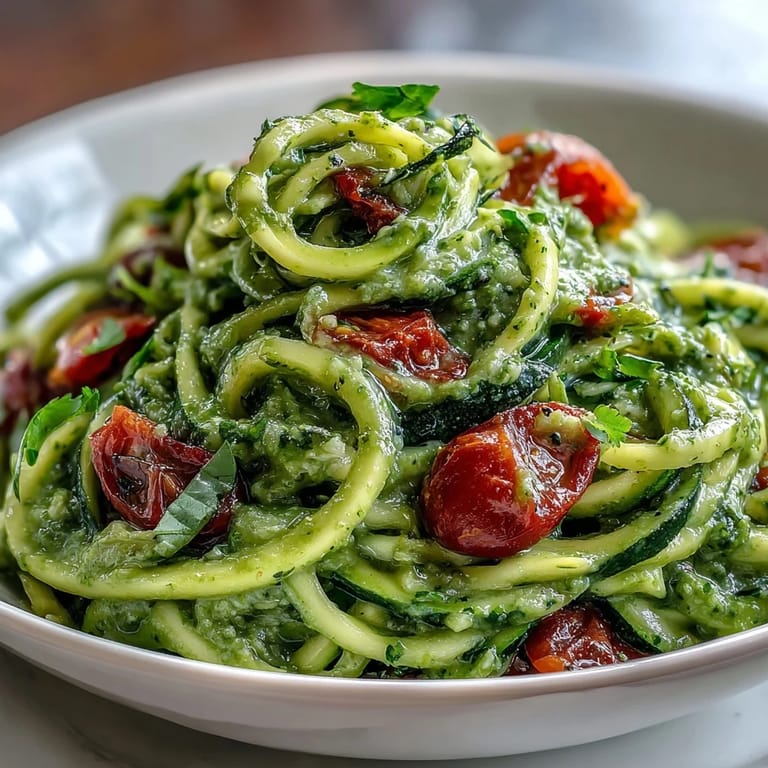
- Combine the pumpkin seeds, basil, garlic, olive oil, lemon juice, nutritional yeast, salt, and pepper in your food processor and pulse steadily, scraping down the sides as you go. You're aiming for a thick, coarse paste with some texture still visible, not a completely smooth spread.
- Adjust the consistency:
- Add water one tablespoon at a time, pulsing after each addition, until you reach that sweet spot where the pesto coats a spoon but still falls off slowly. This usually takes two to four tablespoons, depending on how wet your basil was.
 Save
Save 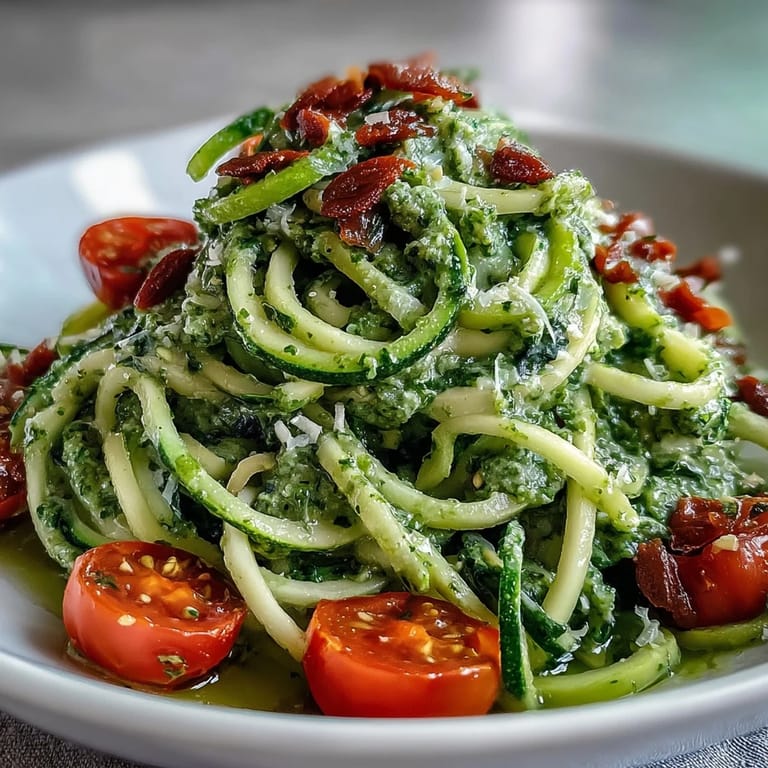 Save
Save 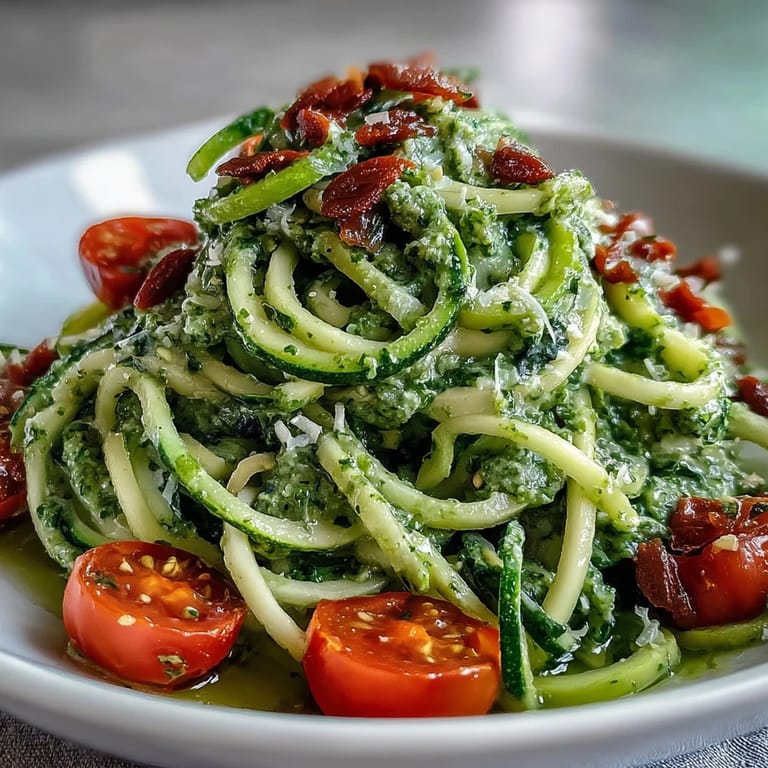 Save
Save There's something almost meditative about watching the food processor transform simple ingredients into this vibrant green sauce that smells unmistakably like autumn and fresh basil combined. I remember standing in my kitchen with the smell of pumpkin and garlic filling the air, feeling grateful for a dish that proves plant-based eating can be both easy and genuinely exciting.
Raw Versus Warm: Your Noodle Choice
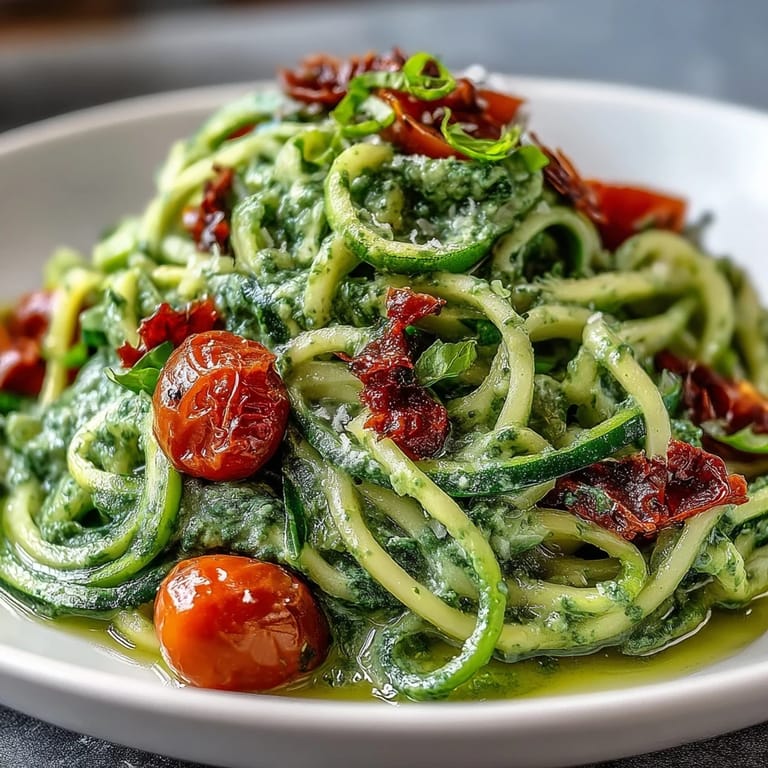
I've made this dish both ways and honestly, I prefer the raw noodles because they stay crisp and have a fresher bite that complements the herbaceous pesto beautifully. That said, there are evenings when sautéing the zucchini noodles for a few minutes feels more comforting, especially in cooler months when something warm sounds more appealing than something light. The choice is entirely yours based on your mood and the season, though I'd suggest trying both versions to see which one becomes your go-to.
Customizing Your Pesto
One of my favorite things about this recipe is how forgiving and flexible it is depending on what's in your kitchen or what you're craving on any given day. My friend swears by adding half an avocado to her pesto for extra creaminess, while another cook I know uses sunflower seeds instead of pumpkin seeds because she grows them in her garden. You can absolutely stir in cooked chickpeas or white beans for added protein, and I've even added a handful of spinach when I had some that needed using up.
Storage and Make-Ahead Tips
The pesto keeps beautifully in an airtight container in the refrigerator for up to five days, making it perfect for meal prep or having something ready for a quick midweek dinner. You can also freeze it in ice cube trays if you want to preserve it longer, which is incredibly convenient when basil season ends and you want to hold onto that fresh taste.
- Always store the pesto with a thin layer of olive oil on top to prevent browning and oxidation.
- Don't spiralize your zucchini until you're ready to serve, as the noodles become watery if they sit too long.
- This dish tastes best served immediately, so plan to eat it fresh rather than making it hours in advance.
 Save
Save 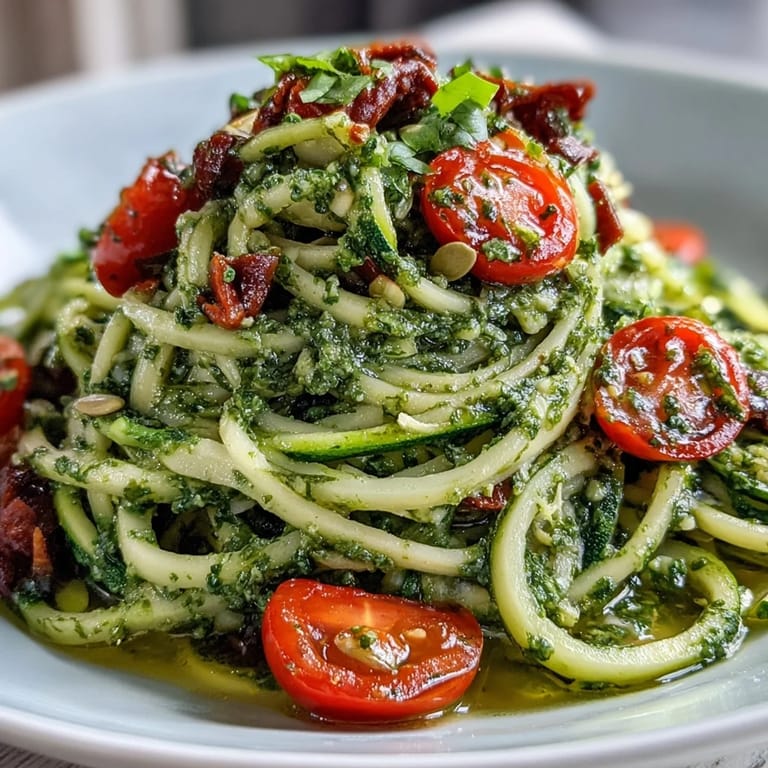 Save
Save  Save
Save This recipe has become my go-to reminder that the simplest dishes, made with intention and good ingredients, are often the ones that nourish us most. Whether you're cooking for yourself or sharing it with someone special, I hope it brings you as much joy as it's brought me.
Recipe FAQs
- → Can I make the pesto ahead of time?
Yes, the pumpkin seed pesto stores beautifully in an airtight container in the refrigerator for up to 5 days. The flavors actually deepen and develop over time. Just give it a good stir before tossing with freshly spiralized zucchini noodles.
- → How do I prevent zucchini noodles from becoming watery?
After spiralizing, pat the zucchini noodles thoroughly with paper towels to remove excess moisture. For even better results, sprinkle them lightly with salt and let them sit for 10 minutes, then pat dry again before tossing with pesto.
- → What can I use instead of a spiralizer?
A julienne peeler works well for creating thin, noodle-like strands. Alternatively, you can use a regular vegetable peeler to make wider ribbon-style noodles, or simply slice the zucchini into thin strips with a sharp knife.
- → Is this dish served raw or cooked?
It's completely versatile. Serve the zucchini noodles raw for maximum crunch and nutrients, or sauté them briefly in olive oil for 2-3 minutes for a warmer, more tender dish. Both methods work beautifully with the pesto.
- → Can I freeze the pesto?
Absolutely. Portion the pesto into ice cube trays or small freezer-safe containers and freeze for up to 3 months. Thaw overnight in the refrigerator before using. The texture remains remarkably smooth after freezing.
- → How can I add more protein to this dish?
Toss in cooked chickpeas, white beans, or lentils for additional plant protein. Crumbled tofu, hemp seeds, or a sprinkle of chopped almonds also work well. You could also serve alongside grilled tempeh or your favorite plant-based protein.