 Save
Save I discovered this dish by accident during a winter kitchen experiment when I was testing whether white chocolate could work as something more than sweetness. The contrast between creamy chocolate and sharp parmesan felt wrong until the moment I tasted it, and suddenly the combination made sense, like finding beauty in an unexpected pairing. There's something about minimalist desserts that stopped feeling trendy to me and started feeling honest.
I remember bringing this to a dinner party where everyone was skeptical about parmesan in dessert, and watching someone's face shift from doubt to delight made the whole thing worth it. My friend Sarah sat there breaking off pieces and pairing them with sips of prosecco, and that's when I realized this wasn't just a dessert—it was an experience that made people slow down.
Ingredients
- High-quality white chocolate (250 g): This is where the entire dessert lives or dies; cheap white chocolate will taste waxy and flat, so invest here and use something with real cocoa butter listed first.
- Coconut oil (1 tsp, optional): A tiny bit makes the chocolate glossier and easier to spread, giving you those clean ice sheet edges.
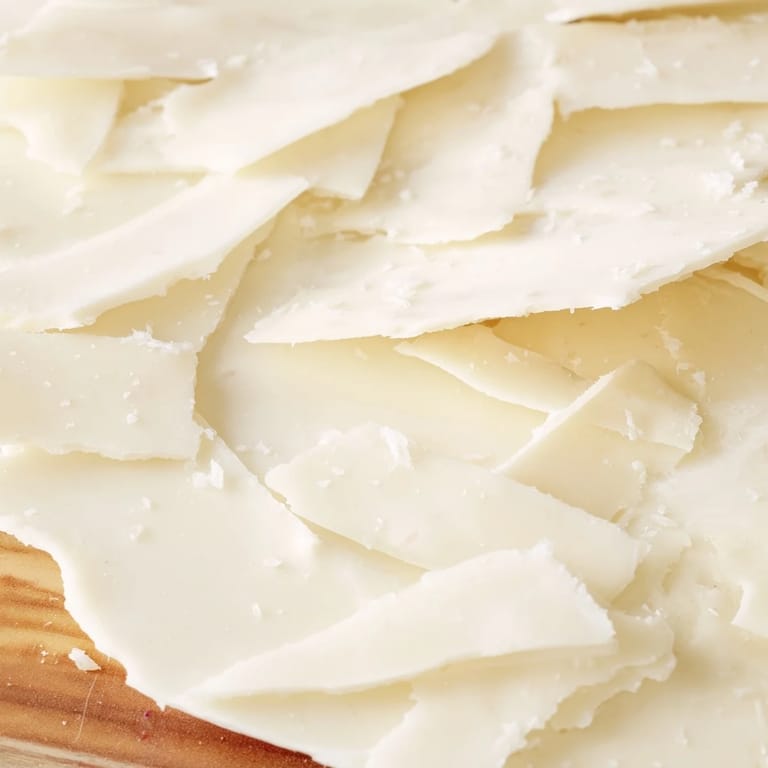
- Parmigiano-Reggiano block (60 g): Never use pre-grated; it's coated with cellulose and won't shave properly, and the flavor is muted.
- Flaky sea salt: The final whisper of complexity that makes people wonder what they're tasting.
- Light wood serving board: The presentation matters as much as the taste here, so choose something that feels intentional.
Tired of Takeout? 🥡
Get 10 meals you can make faster than delivery arrives. Seriously.
One email. No spam. Unsubscribe anytime.
Instructions
- Melt the chocolate gently:
- Set up a double boiler with barely simmering water, or work in short 20-second microwave bursts, stirring between each one to keep the chocolate smooth and glossy. If it gets grainy or seizes, you've overheated it and the texture will suffer.
- Spread the ice sheets:
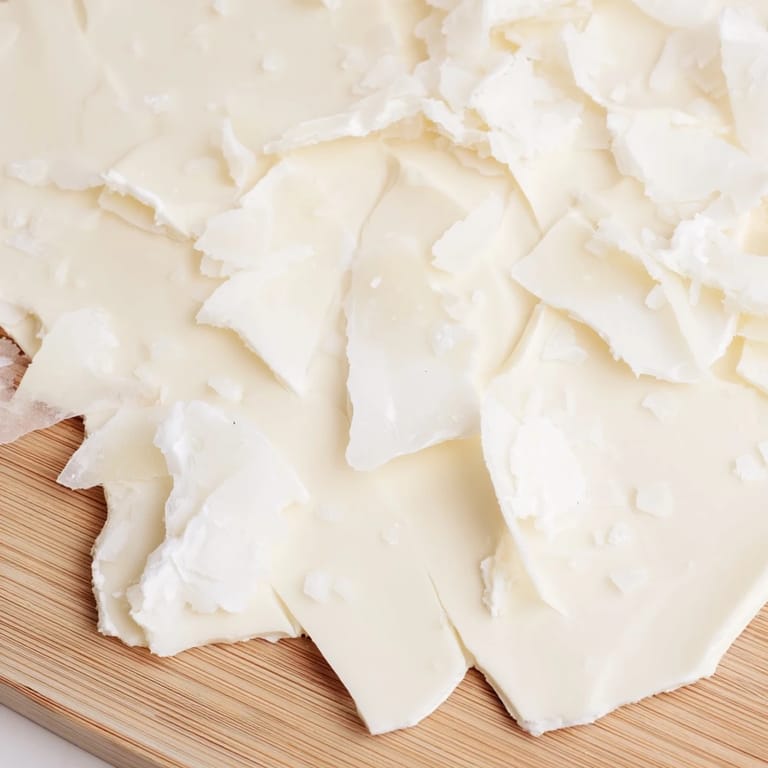
- Pour the melted chocolate onto parchment and use an offset spatula to create a thin, even layer—about 2 mm is ideal. The thinness is what gives you those satisfying shards later, so take a moment to get this right.
- Chill and set:
- Refrigerate for 20 minutes until the chocolate is completely firm and snaps cleanly when you break it.
- Create the parmesan shards:
- Use a vegetable peeler to create delicate, thin shavings from the cold parmesan block, letting gravity do most of the work rather than forcing it.
- Break and arrange:
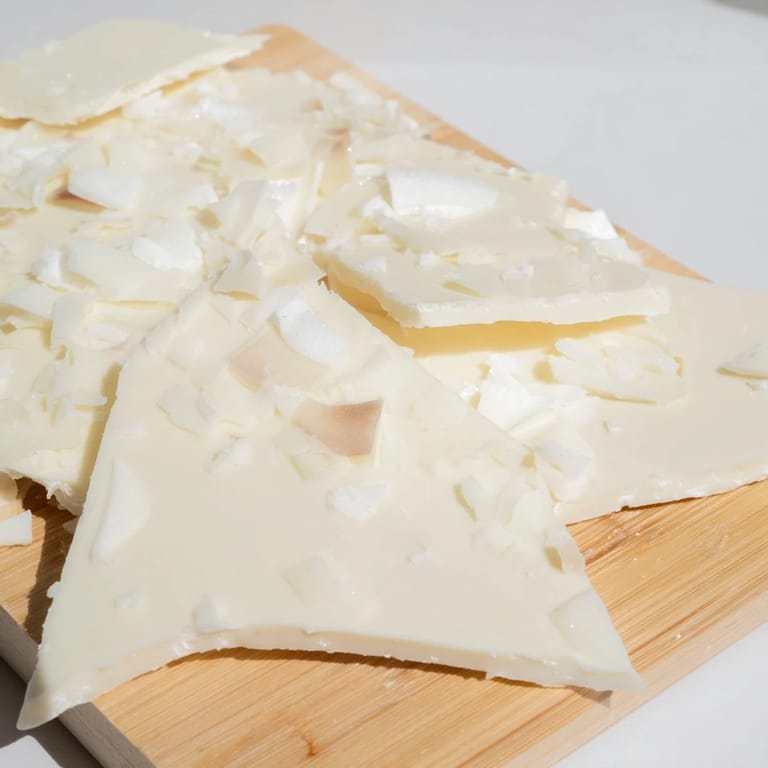
- Once set, carefully break the chocolate into large, irregular pieces that feel natural and unforced, almost like you're discovering them rather than creating them.
- Compose on the board:
- Arrange chocolate pieces artfully, scatter the parmesan shards between them, and finish with just enough sea salt to catch light and add a final savory note.
 Save
Save There was an evening when a usually reserved friend asked for the recipe before they'd even finished their plate, and that's the moment I stopped thinking of this as a clever technique and started thinking of it as something that genuinely moves people. Food doesn't always need to be complicated to be memorable.
Texture Contrast Is Everything
This dessert lives entirely in the space between textures, which is why you can't rush any of the components. The white chocolate needs to be thin enough to shatter with a fork, the parmesan needs to be wispy enough to dissolve on your tongue, and the salt needs to be just a whisper. I learned this by making it too thick at first, and the result was fine but forgettable—almost like eating chocolate bark with some cheese on top. When you get the proportions right, something shifts.
Timing and Temperature
This is one of those dishes where everything depends on serving it at exactly the right moment. Too warm and it becomes a puddle, too cold and the chocolate becomes too brittle to enjoy. I usually chill the board for about 10 minutes in the freezer, arrange the components quickly, and get it to the table while it's still got that perfect balance of structure and give.
Variations Worth Trying
Once you understand the basic structure, this becomes a playground for seasonal and personal experimentation. I've tried dark chocolate on winter evenings when I wanted something more intense, and it works beautifully if you reduce the salt slightly. Some friends have added edible flowers or microgreens for color and extra layers of flavor, and honestly, the creativity is part of what makes this fun to cook.
- Swap white chocolate for dark or milk chocolate depending on your mood and the season.
- Serve with a dry sparkling wine or dessert wine to lift the richness and highlight the savory notes.
- A chilled board makes all the difference, so don't skip that step.
 Save
Save This dish taught me that dessert doesn't need to be sweet or traditional to feel special, and sometimes the most elegant meals are the ones where you can taste every ingredient clearly. Make it when you want people to notice what they're eating.
Recipe FAQs
- → How do you create the white chocolate ice sheets?
Melt high-quality white chocolate gently, optionally adding coconut oil for shine. Spread thinly on parchment and chill until set, forming crisp sheets.
- → What’s the best way to make parmesan shards?
Use a vegetable peeler or sharp knife to shave thin, irregular pieces from a block of Parmigiano-Reggiano for texture contrast.
- → Why is flaky sea salt used as a garnish?
Flaky sea salt enhances the flavors by providing a subtle crunch and balancing the sweetness and savoriness of the components.
- → Can this dessert be prepared in advance?
Yes, the white chocolate sheets can be chilled beforehand and shaved parmesan added just before serving for optimal freshness.
- → What serving suggestions complement this dish?
Serve on a chilled light wooden board to amplify the visual drama. It pairs well with dry sparkling or chilled dessert wines.