 Save
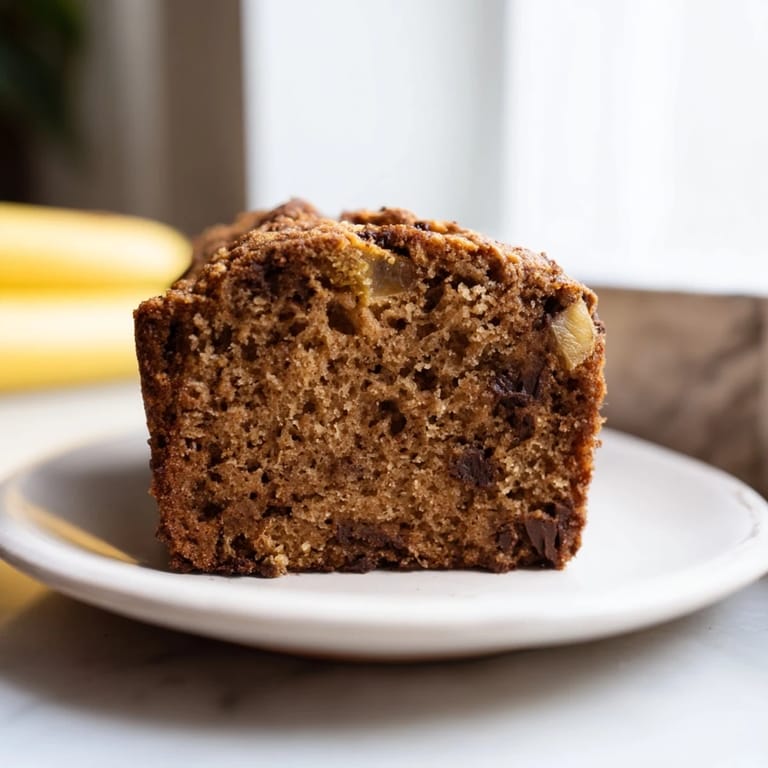
Save My neighbor knocked on my door one Tuesday morning with three overripe bananas she couldn't use, and honestly, I almost turned her away—until she mentioned her grandmother's recipe made the bread so moist it stayed fresh for days. That conversation changed how I bake banana bread entirely. Now when those spotted bananas sit on my counter, I know exactly what to do, and the house fills with a warm, vanilla-tinged smell that makes everyone pause and ask what's happening in my kitchen.
I baked this for a potluck once and brought it still warm, wrapped in foil, and watched people tear into it before the main course even hit the table. Someone asked for the recipe right there, mouth full, which felt like the highest compliment possible. Since then it's become my go-to when I want something that feels homemade but doesn't require me to stress.
Ingredients
- All-purpose flour (2 cups): The backbone of your bread, and measuring by weight instead of scooping straight from the bag prevents dense results.
- Baking soda (1 teaspoon): This reacts with the acidic bananas to create lift, so don't skip it or substitute baking powder.
- Salt (1/2 teaspoon): A small pinch that makes everything taste more like itself, deepening the banana flavor.
- Unsalted butter (1/2 cup, softened): Softened means it creams easily with sugar, creating air pockets that keep the crumb tender.
- Granulated sugar (3/4 cup): This dissolves into the batter and helps retain moisture, which is why the bread stays moist for days.
- Eggs (2 large): They bind everything together and add richness—room temperature eggs mix in more smoothly than cold ones.
- Vanilla extract (1 teaspoon): A small amount amplifies the banana flavor rather than masking it, so use real extract if you can.
- Ripe bananas (3 mashed): Look for bananas with brown spots and a slightly sweet smell—this is when the sugars have peaked and they'll make the sweetest bread.
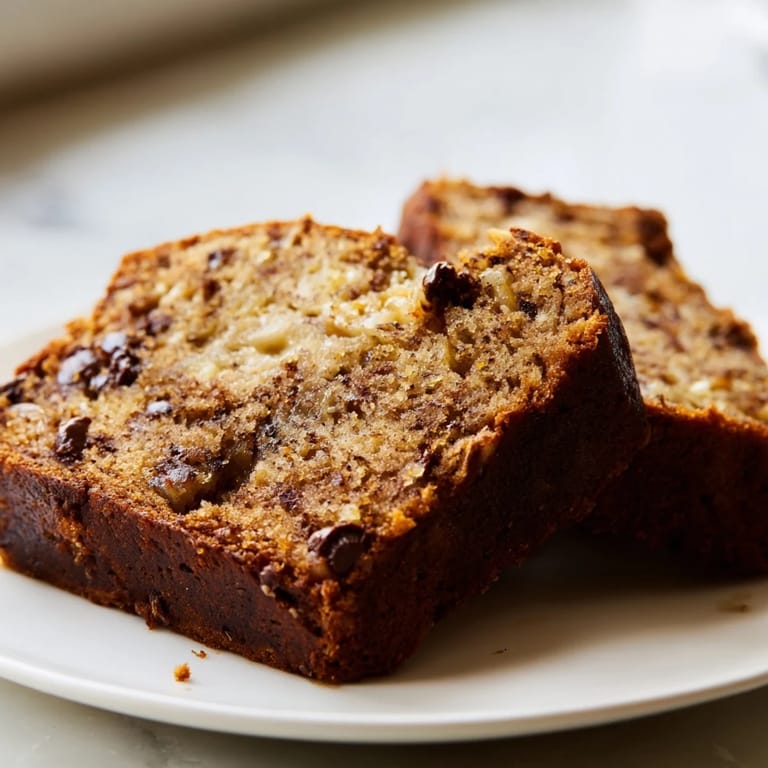
- Chocolate chips or nuts (3/4 cup, optional): Either choice adds texture and intrigue, or skip both for a pure, simple banana bread.
Tired of Takeout? 🥡
Get 10 meals you can make faster than delivery arrives. Seriously.
One email. No spam. Unsubscribe anytime.
Instructions
- Set your stage:
- Heat the oven to 350°F and prep your loaf pan with a light grease or parchment paper so the bread slides out cleanly. A properly prepped pan makes the difference between bread that releases easily and one that sticks and tears.
- Gather your dry team:
- Whisk flour, baking soda, and salt in a medium bowl and set it aside—this keeps them ready to go and helps them distribute evenly. Whisking them together instead of just mixing prevents pockets of baking soda that create odd flavors.
- Cream the base:
- Beat softened butter and sugar together until the mixture looks pale and fluffy, almost like whipped frosting. This takes about 2 to 3 minutes with an electric mixer and incorporates air that makes the crumb light.
- Add eggs carefully:
- Drop in one egg, beat until it disappears, then add the second one the same way—this prevents the mixture from looking separated and curdled. After both eggs are in, stir in the vanilla until you smell that familiar warmth.
- Bring in the bananas:
- Fold the mashed bananas into the wet mixture until you don't see any white streaks—the batter will look a bit lumpy but that's okay. The bananas add moisture and natural sweetness that balances everything.
- Combine gently:
- Pour the dry ingredients over the wet mixture and stir just until combined, stopping as soon as you don't see any flour streaks. Overmixing here creates tough, dense bread, so resist the urge to beat it smooth.
- Add your choices:
- If using chocolate chips or nuts, fold them in with just a few strokes so they're scattered throughout but not crushed. This step takes maybe 30 seconds and transforms the whole personality of the bread.
- Fill and smooth:
- Pour the batter into your prepared pan and use a spatula to level the top so it bakes evenly. An uneven top sometimes browns too fast on the high spots before the center cooks through.
- Bake with patience:
- Slide it into the oven and bake for 55 to 65 minutes—a toothpick inserted into the very center should come out clean or with just a few moist crumbs. Every oven runs a bit differently, so start checking at 55 minutes to avoid overbaking.
- Cool strategically:
- Let the bread sit in the pan for 10 minutes so it sets slightly, then turn it out onto a wire rack to cool completely. This prevents the bottom from getting soggy while letting steam escape.
 Save
Save One winter I brought a slice to my mom when she was having a rough day, and she ate it slowly, not saying much, then asked me to leave the rest of the loaf. That's when I realized banana bread isn't really about the ingredients—it's about showing up for people with something warm and uncomplicated.
Variations That Work
The beauty of this recipe is that it adapts to whatever you're feeling or what you have on hand. I've swapped half the sugar for brown sugar and got a deeper molasses note that felt almost caramel-like, and another time I used coconut oil instead of butter because it's what I had, and the bread came out just as moist and tender. You can layer chocolate and nuts together, or stick to one, or commit to plain banana bread that tastes pure and simple.
Storage and Keeping It Fresh
Wrapped well in plastic wrap or foil, this bread stays fresh and moist on the counter for three days, or you can freeze it for up to three months and thaw it overnight. I've found that the bread actually tastes better on day two because the flavors settle and the moisture redistributes, so baking it the day before you want to serve it is a small trick that pays off. Sometimes I slice it first before freezing so I can pull out individual pieces to toast and eat warm with butter.
Serving Ideas and Little Pleasures
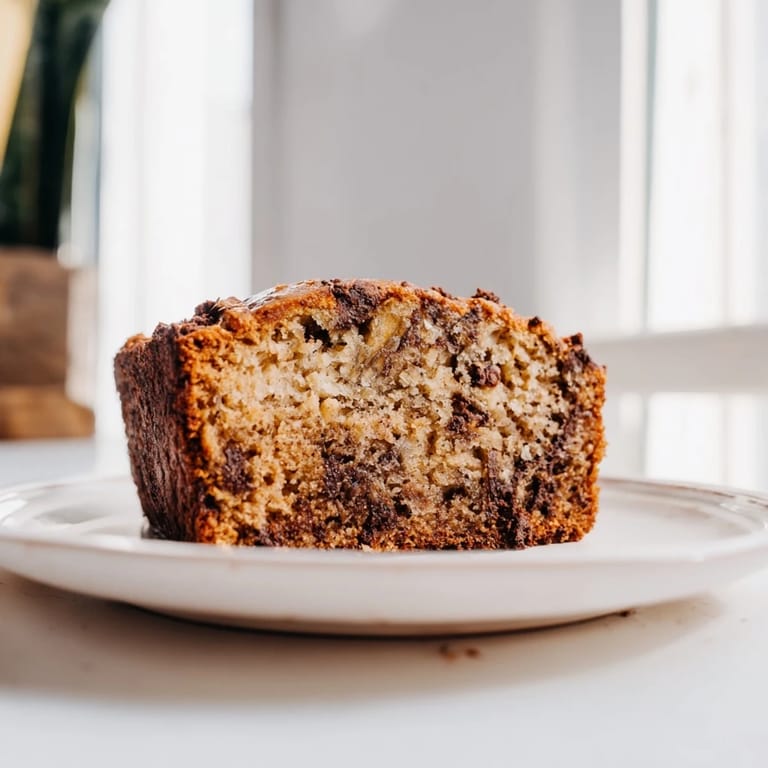
Toasted banana bread with a pat of cold butter melting into the warm crumb is a quiet kind of luxury, and drizzling honey or a touch of jam over it turns it into something you'd order at a café. It pairs perfectly with black coffee or tea, and honestly, it's just as good eaten standing up at the kitchen counter in the morning as it is plated nicely with fresh berries for brunch. Some days I eat it plain, and other days a sprinkle of sea salt on top brings out the banana and chocolate even more.
- A warm slice with a glass of cold milk hits differently than any other combination.
- Slice thicker pieces for toast and thinner ones for eating by hand with your morning coffee.
- If you have any left over after it cools, try it crumbled into yogurt with a drizzle of honey for an easy breakfast.
 Save
Save This banana bread has become my answer to almost every occasion—a gift for neighbors, breakfast for unexpected guests, or just a small comfort when life feels scattered. It asks so little and gives back so much.
Recipe FAQs
- → How do I know when the banana bread is fully baked?
Insert a toothpick into the center of the loaf. It should come out clean or with just a few moist crumbs. Baking typically takes 55-65 minutes at 350°F.
- → Can I use overripe bananas?
Yes, overripe bananas are ideal. They have higher sugar content and mash more easily, creating a sweeter, moister loaf with deeper banana flavor.
- → What's the best way to store this banana bread?
Store cooled bread in an airtight container at room temperature for 2-3 days, or wrap tightly and refrigerate for up to a week. It also freezes well for up to 3 months.
- → Can I make this dairy-free?
Absolutely. Replace butter with coconut oil or plant-based butter in equal amounts. Ensure your chocolate chips are dairy-free if using them.
- → Should I use both chocolate chips and nuts together?
Definitely. You can combine them for added texture and flavor. Simply reduce each to about 1/3 cup to maintain the bread's structure and moisture balance.
- → Why is my banana bread dense?
Overmixing can develop too much gluten, creating density. Mix just until combined after adding dry ingredients. Also ensure your baking soda hasn't expired, as old leavening agents won't rise properly.