 Save
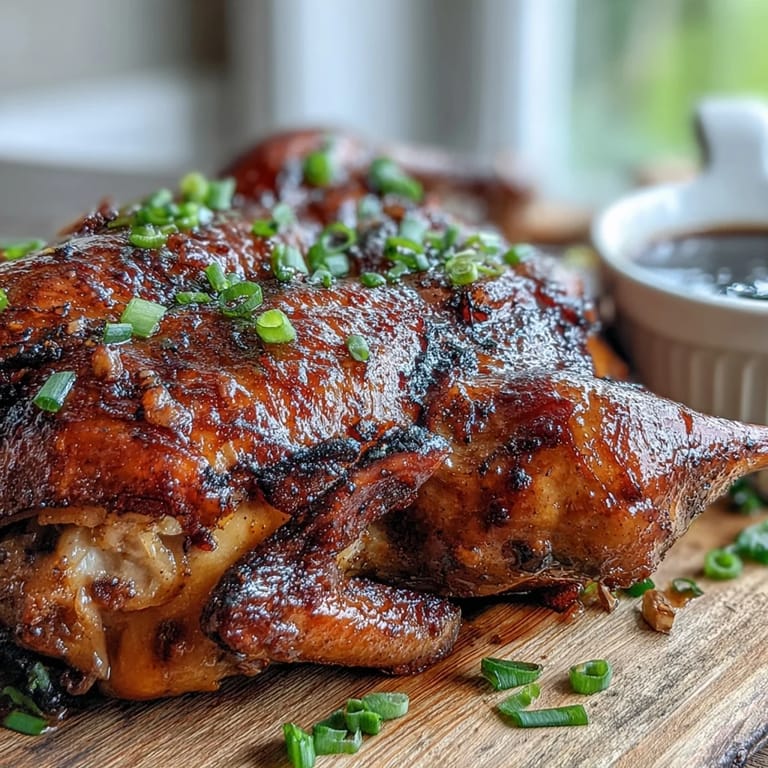
Save The kitchen was warm, the windows fogged, and I was about to roast my first whole duck for someone I wanted to impress. I'd walked past the butcher three times before committing, heart pounding at the price tag and the sheer size of the bird. But the moment that five-spice aroma hit the air, mingling with honey and ginger, I knew this was going to be one of those meals we'd remember. The skin crackled, the meat fell tender, and we ate by candlelight with sticky fingers and quiet smiles. That duck taught me that some dishes are worth the leap.
I made this for Valentine's once, and my partner still talks about it years later. We'd never roasted duck at home before, and the whole evening felt like an adventure. The scent of star anise and orange filled every corner of our small apartment, and we kept peeking into the oven like kids waiting for cake. When I carved it, the skin shattered like glass, and the meat practically fell from the bone. We laughed, poured wine, and realized that romance isn't about perfection, it's about trying something new together.
Ingredients
- Whole duck (1.5 to 2 kg): The star of the show, choose one that feels firm and fresh, and don't skip patting it dry, moisture is the enemy of crispy skin.
- Chinese five-spice powder: This fragrant blend of star anise, cloves, cinnamon, Sichuan pepper, and fennel is what gives the duck its soul, warming and complex.
- Sea salt: Balances the sweet and savory notes and helps draw moisture from the skin for that shatteringly crisp finish.
- Light and dark soy sauce: Light adds saltiness, dark adds color and a hint of molasses depth, use gluten-free versions if needed.
- Honey: Creates a gorgeous golden glaze and caramelizes beautifully in the high heat of the final roast.
- Shaoxing wine or dry sherry: Adds a subtle sweetness and helps tenderize the meat while deepening the marinade's flavor.
- Garlic and fresh ginger: The aromatic backbone, grated ginger releases more juice and flavor than sliced.
- Orange (zest and juice): Brightens the richness of the duck with citrus and pairs perfectly with the warm spices.
- Spring onions: Stuffed inside, they perfume the cavity and add a gentle onion sweetness.
- Star anise pods: Whole pods tucked inside the duck infuse it with a licorice-like warmth that's unmistakably Chinese.
Tired of Takeout? 🥡
Get 10 meals you can make faster than delivery arrives. Seriously.
One email. No spam. Unsubscribe anytime.
Instructions
- Mix the marinade:
- In a small bowl, whisk together the five-spice powder, sea salt, both soy sauces, honey, Shaoxing wine, minced garlic, grated ginger, orange zest, and juice until smooth and fragrant. The scent alone will make your mouth water.
- Prep the duck:
- Place the cleaned, dry duck on a rack set in a roasting pan, then prick the skin all over with a fork, being careful not to pierce the meat beneath. This helps the fat render and the skin crisp.
- Marinate inside and out:
- Rub the marinade generously over the entire surface of the duck and inside the cavity, massaging it into every crevice. Stuff the cavity with the orange quarters, chopped spring onions, and star anise pods.
- Let it rest:
- Cover loosely or leave uncovered in the refrigerator for at least one hour, though overnight is even better for deeper flavor and crispier skin. Patience here pays off.
- Start roasting:
- Preheat your oven to 180°C (350°F), then roast the duck breast-side up for one hour, basting every 30 minutes with the pan juices. The kitchen will smell like a dream.
- Crisp the skin:
- Crank the heat up to 220°C (425°F) and roast for another 20 to 30 minutes until the skin turns deep golden and crackles when you tap it. Watch closely so it doesn't burn.
- Rest and carve:
- Remove the duck from the oven and let it rest for 10 minutes before carving. This lets the juices redistribute, keeping the meat moist and tender.
 Save
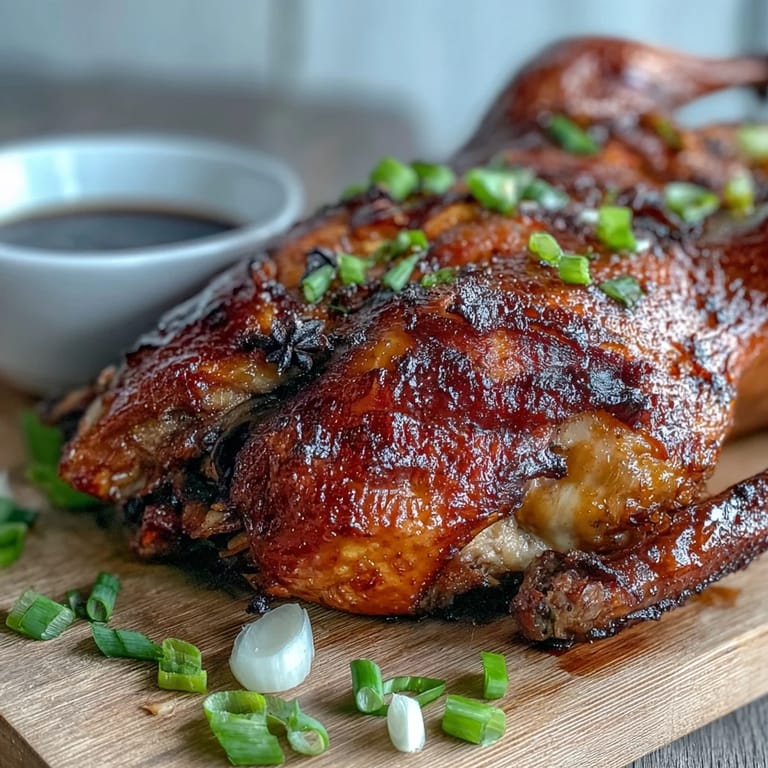
Save The first time I served this, I was terrified I'd overcooked it, but when I sliced into the breast and saw the rosy, tender meat, I nearly cheered. My guest took one bite, closed their eyes, and said nothing for a full minute, which is the highest compliment I've ever received. We sat at that table until the candles burned low, picking at crispy skin and talking about everything and nothing. That duck didn't just feed us, it gave us space to slow down and savor something beautiful together.
Getting the Crispiest Skin
The secret to shatteringly crisp duck skin is managing moisture and fat. After marinating, leave the duck uncovered in the fridge overnight so the skin dries out, which helps it crisp in the oven. Pricking the skin all over lets the fat render out during roasting instead of sitting under the skin and making it soggy. That final blast of high heat at the end caramelizes the honey and crisps everything to perfection, just keep an eye on it so the skin doesn't cross the line from golden to burnt.
Flavor Variations
While the classic five-spice and orange combination is magical, you can play with the marinade to suit your mood. Swap honey for maple syrup for a deeper, earthier sweetness, or add a tablespoon of hoisin sauce for extra richness. If you love heat, a teaspoon of chili flakes or a drizzle of chili oil in the marinade adds a gentle kick that contrasts beautifully with the sweet glaze. I've also tucked in a few slices of fresh lemon alongside the orange for a brighter, tangier finish.
Serving and Leftovers
This duck shines alongside steamed jasmine rice, which soaks up the rich pan juices, and stir-fried greens like bok choy or gai lan for freshness and crunch. For drinks, a light Pinot Noir complements the savory richness, or serve chilled jasmine tea for a traditional pairing. Leftovers are a gift, shred the meat and toss it into fried rice, pile it onto soft buns with hoisin and cucumber, or wrap it in lettuce cups with herbs and a squeeze of lime.
- Carve the duck just before serving to keep the skin crisp and the meat warm.
- Save the rendered fat in the pan, it's liquid gold for roasting potatoes or frying eggs.
- If reheating leftovers, use a hot oven or skillet to re-crisp the skin instead of the microwave.
 Save
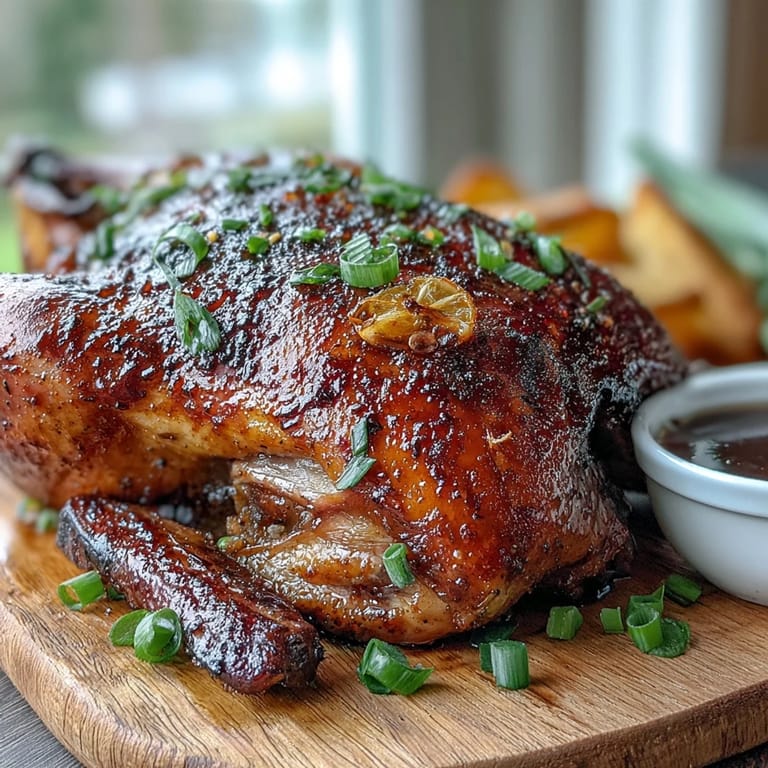
Save This duck has become my go-to for nights when I want to make something feel special without the stress of complicated techniques. It's forgiving, it's aromatic, and it turns any dinner into an occasion worth remembering.
Recipe FAQs
- → How do I achieve perfectly crispy duck skin?
Prick the skin thoroughly without piercing the meat, leave the duck uncovered in the refrigerator overnight to dry the skin, and finish roasting at high heat (220°C) for the final 20-30 minutes. Basting regularly also helps render the fat for extra crispiness.
- → Can I marinate the duck for longer than overnight?
While overnight marination works best, you can marinate for up to 24 hours maximum. Beyond this, the acids and salt may start to break down the meat texture too much. Minimum marination time is 1 hour for adequate flavor penetration.
- → What can I substitute for Shaoxing wine?
Dry sherry is the closest substitute and works excellently. Alternatively, use dry white wine or sake. Avoid sweet cooking wines as they will alter the flavor balance of the marinade.
- → How do I know when the duck is fully cooked?
Insert a meat thermometer into the thickest part of the thigh without touching bone. The internal temperature should reach 74°C (165°F). The juices should run clear when pierced, and the skin should be deep golden brown and crispy.
- → Can I use duck breasts instead of a whole duck?
Yes, but adjust cooking time significantly. Duck breasts only need 15-20 minutes total at 200°C. Score the skin, apply the marinade, and roast skin-side up. They won't accommodate the stuffing, so use aromatics as a bed underneath instead.
- → What side dishes pair well with this preparation?
Steamed jasmine rice absorbs the flavorful pan juices beautifully. Stir-fried bok choy, Chinese broccoli, or snow peas complement the rich duck. Pickled vegetables or a fresh cucumber salad provide refreshing contrast to the richness.