 Save
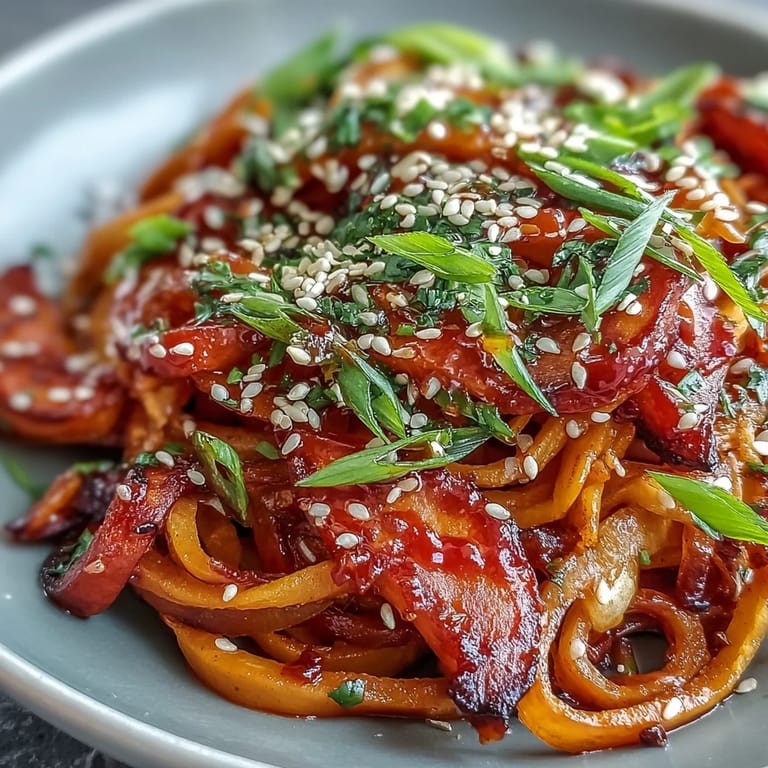
Save My kitchen smelled like burnt sugar the first time I roasted swede too hot and forgot to flip it. I was trying to use up a lonely rutabaga that had been sitting in my crisper for weeks, and I thought, why not treat it like sweet potato? That mistake taught me patience, and also that swede has this wonderful ability to caramelize into something almost candy-like if you give it time. I tossed the salvaged ribbons with gochujang I'd bought on impulse, and suddenly that humble root vegetable became the star of a dish I now crave on cold evenings. It's funny how accidents in the kitchen sometimes become your best recipes.
I made this for a friend who swore she hated rutabaga, mostly because her grandmother used to boil it into a flavorless mush. She took one bite, paused, and asked what kind of noodles I'd used for the sweet ribbons. When I told her it was swede, she laughed so hard she nearly choked. Now she asks me to make it every time she visits, and she's started experimenting with gochujang on her own. It's become our little inside joke, proof that how you cook something matters just as much as what you cook.
Ingredients
- Swede (rutabaga): Choose one that feels heavy for its size and has smooth skin; the ribbons roast beautifully and develop a slight sweetness that balances the spicy dressing.
- Rice noodles: They stay silky and don't compete with the bold flavors; soak them just until tender or they'll turn gummy.
- Gochujang: This fermented chili paste brings heat, sweetness, and umami all at once; brands vary in spice level, so taste as you go.
- Maple syrup: It rounds out the heat and adds a gentle sweetness that makes the dressing cling to everything.
- Toasted sesame oil: A little goes a long way; it adds that nutty, almost smoky finish that makes the dish smell incredible.
- Spring onions: They add a fresh, sharp bite that cuts through the richness of the dressing.
- Sesame seeds: Toasting them for a minute in a dry pan makes them fragrant and adds a gentle crunch.
- Fresh cilantro: It brightens everything up at the end, though you can skip it if you're one of those people who tastes soap.
Tired of Takeout? 🥡
Get 10 meals you can make faster than delivery arrives. Seriously.
One email. No spam. Unsubscribe anytime.
Instructions
- Get the oven ready:
- Preheat your oven to 220°C (425°F) so it's screaming hot and ready to caramelize those swede ribbons. A properly heated oven makes all the difference between limp vegetables and golden, crispy edges.
- Prep and roast the swede:
- Toss your swede ribbons with vegetable oil, salt, and pepper until every piece glistens, then spread them in a single layer on a baking sheet. Roast for 25 to 30 minutes, flipping halfway through, until they're golden at the edges and tender enough to twirl on a fork.
- Cook the noodles:
- While the swede roasts, cook your rice noodles according to the package instructions, usually just a few minutes in boiling water. Drain them, rinse under cold water to stop the cooking, and set aside so they don't stick together.
- Make the gochujang dressing:
- In a bowl, whisk together the gochujang, soy sauce, maple syrup, rice vinegar, sesame oil, garlic, ginger, and chili flakes if you're using them. Add water a tablespoon at a time until it's smooth and pourable, like a loose honey.
- Toss everything together:
- In a large mixing bowl, combine the roasted swede, cooked noodles, spring onions, carrot, and bean sprouts if you're adding them. Pour the gochujang dressing over everything and toss gently but thoroughly until every ribbon and noodle is coated.
- Garnish and serve:
- Divide the noodles among bowls and sprinkle with toasted sesame seeds and fresh cilantro. Serve immediately while the swede is still warm and the flavors are bright.
 Save
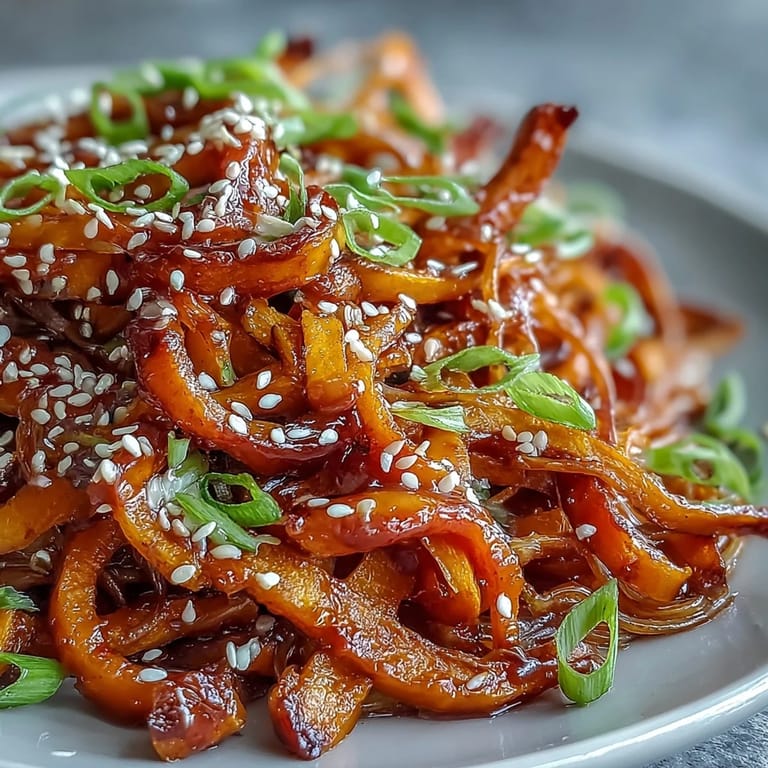
Save One evening I served this to a table full of skeptical friends who thought it sounded too weird to work. By the end of the meal, everyone was scraping their bowls and asking for the recipe. Someone said it tasted like the best parts of a Korean noodle bowl and a roasted vegetable platter had a baby. I think that's when I realized that fusion cooking isn't about being fancy, it's just about putting things you love together and seeing what happens.
Making It Your Own
This dish is incredibly forgiving and practically begs you to improvise. If you don't have swede, try using sweet potato, butternut squash, or even thick ribbons of zucchini, though they'll roast faster. I've added crispy pan-fried tofu for protein, tossed in handfuls of spinach at the end, and even stirred through some edamame when I wanted something heartier. The dressing works beautifully on almost any roasted vegetable, so don't be afraid to experiment with what's in your fridge.
Storage and Reheating
Leftovers keep well in the fridge for up to three days, though the noodles will absorb some of the dressing and soften. I actually like eating this cold the next day, straight from the container, because the flavors have had time to meld. If you want to reheat it, a quick toss in a hot pan with a splash of water works better than the microwave, which can make the noodles gummy. You can also meal prep by roasting the swede and making the dressing ahead, then toss everything together when you're ready to eat.
Serving Suggestions
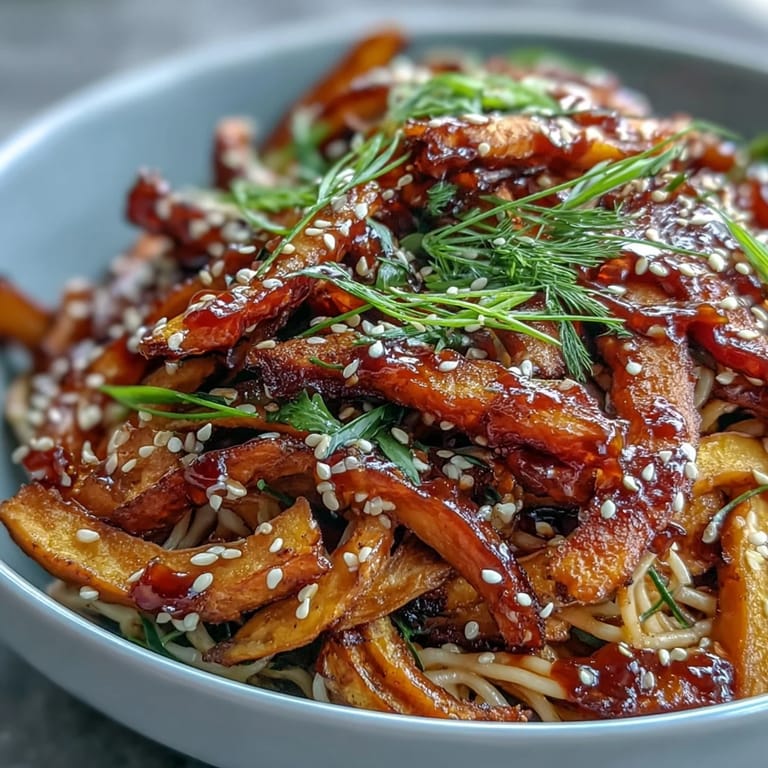
I love serving this as a main dish on its own, but it also works beautifully as a side alongside grilled fish or roasted chicken. A crisp, slightly sweet Riesling is perfect if you're drinking wine, or try a light lager if you want something more casual. Sometimes I'll add a fried egg on top for breakfast, letting the yolk run into the noodles like a creamy sauce.
- Top with crushed peanuts or cashews for extra crunch and richness.
- Add a squeeze of lime just before serving to brighten up all the flavors.
- If you love heat, drizzle with chili oil or add extra gochujang to the dressing.
 Save
Save This dish has become one of those recipes I turn to when I want something that feels special but doesn't require much fuss. I hope it surprises you the way it surprised me, and that you find yourself craving it on random weeknights.
Recipe FAQs
- → Can I substitute swede with another vegetable?
Yes, you can use sweet potato, butternut squash, or even zucchini ribbons. Adjust roasting time accordingly as different vegetables cook at different rates.
- → How spicy is this dish?
The heat level is moderate, primarily from the gochujang paste. You can reduce the gochujang amount or omit the chili flakes for a milder version, or add more for extra kick.
- → Can I make this ahead of time?
Yes, you can roast the swede and prepare the dressing up to 2 days in advance. Store separately and combine with freshly cooked noodles when ready to serve for best texture.
- → What can I use instead of gochujang?
While gochujang provides unique flavor, you can substitute with sriracha mixed with a bit of miso paste, or use another chili paste with added sweetness. The taste will differ but still be delicious.
- → Is this dish gluten-free?
It can be made gluten-free by using tamari instead of soy sauce and checking that your gochujang is certified gluten-free, as some brands contain wheat.
- → How do I get thin swede ribbons?
Use a vegetable peeler for wide ribbons or a mandoline slicer set to julienne for thinner strips. A sharp knife works too, though it takes more time and practice.