 Save
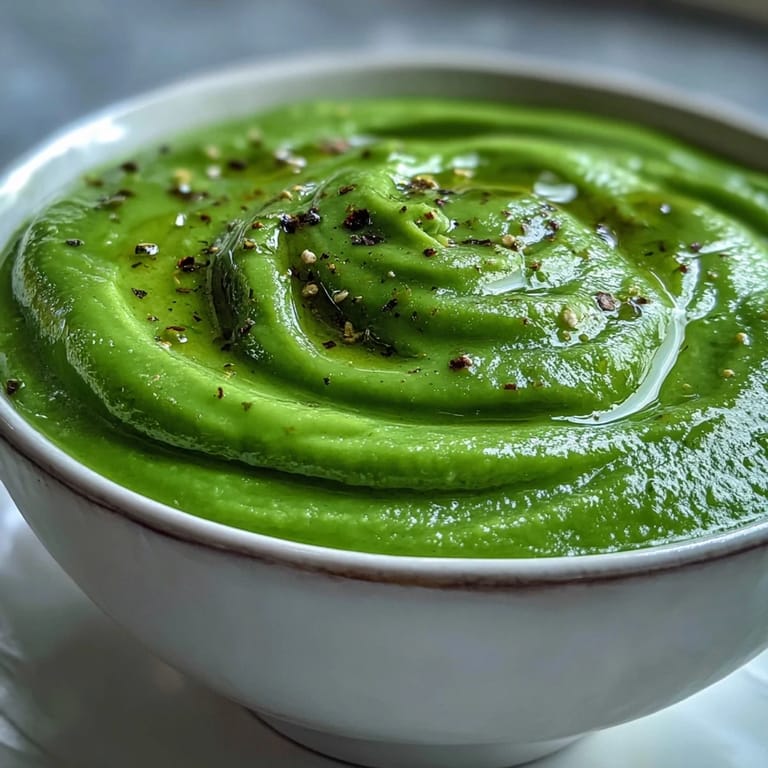
Save The first time I made this Big Green Immunity-Boosting Soup, I'd just recovered from a nasty cold that lingered for weeks. Standing in my kitchen, surrounded by vibrant green vegetables, I remember feeling hopeful that nature might offer what medicine couldn't. The steam rising from the pot carried the gentle aroma of leeks and garlic, promising comfort while the bright colors promised vitality. My blender whirred through the vegetables, transforming them into something entirely new—silky, nourishing, and exactly what my depleted body seemed to crave.
Last winter, when my sister was visiting with her kids, I made this soup for lunch without telling them what was in it. My nephew, who typically treats green vegetables like they're radioactive, asked for seconds and then looked genuinely betrayed when I revealed he'd just happily consumed both broccoli and spinach. His mother shot me a look of pure gratitude over her steaming bowl, and we shared a silent moment of vegetable-smuggling victory that only parents truly understand.
Ingredients
- Soaked cashews: These humble nuts are actually the secret weapon here, creating a creamy richness without any dairy that makes the soup feel indulgent rather than purely medicinal.
- Leeks: I once substituted extra onion when I forgot leeks at the store, and while the soup was good, it missed that subtle, earthy sweetness that only leeks provide.
- Asparagus: The slightly grassy, spring-like flavor adds a brightness that balances the earthiness of the broccoli and spinach.
- Lemon juice: After years of making green soups that tasted a bit flat, I discovered that this final acidic touch awakens all the flavors and makes everything taste fresh rather than just healthy.
Tired of Takeout? 🥡
Get 10 meals you can make faster than delivery arrives. Seriously.
One email. No spam. Unsubscribe anytime.
Instructions
- Build your flavor foundation:
- Heat that tablespoon of olive oil until it shimmers, then add your chopped onion, minced garlic, and sliced leek. The kitchen should fill with that sweet, aromatic scent that signals good things are coming.
- Add your green powerhouses:
- Toss in the broccoli florets and asparagus pieces, giving everything a good stir to coat with the aromatic oil. Listen for that gentle sizzle as the vegetables begin to brighten in color.
- Create your soup base:
- Pour in the vegetable broth and water, watching the liquid bubble up around your vegetables. Let everything simmer until you can easily pierce the broccoli stem with a fork.
- Incorporate the final elements:
- Add your baby spinach and those soaked cashews, noticing how quickly the spinach wilts into the hot liquid. These late additions preserve the bright green color and nutritional potency.
- Blend to perfection:
- Now comes the transformation moment as you blend everything into silky smoothness. I find an immersion blender creates fewer dishes, but a regular blender gives the absolute smoothest texture.
- Season thoughtfully:
- Stir in your salt, pepper, nutmeg if using, and that crucial squeeze of lemon juice. Taste and trust your palate to guide any final adjustments.
- Adjust consistency:
- The soup will thicken slightly as it sits, so add a splash more liquid if needed. You want it substantial but still spoonable.
 Save
Save 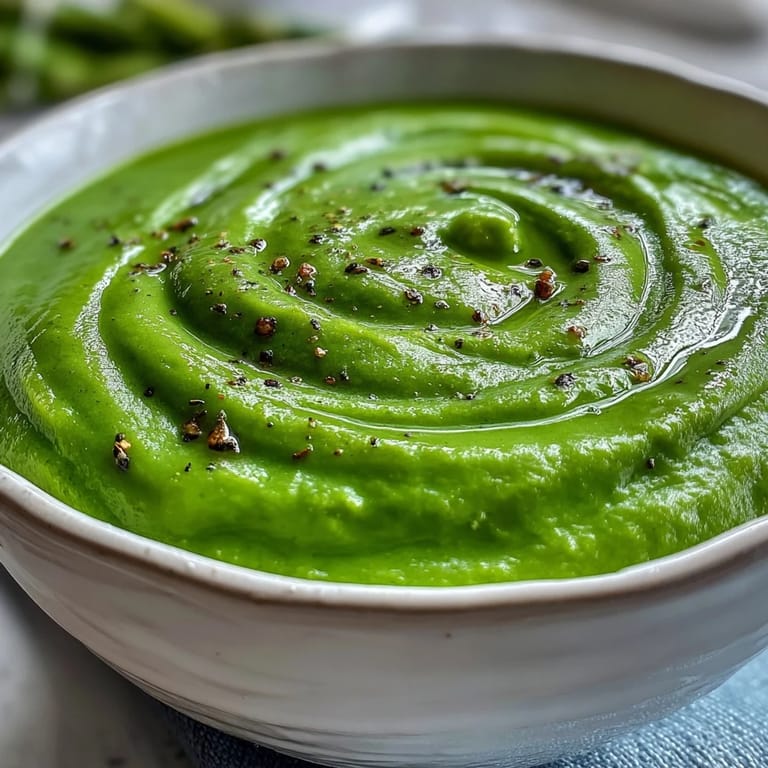 Save
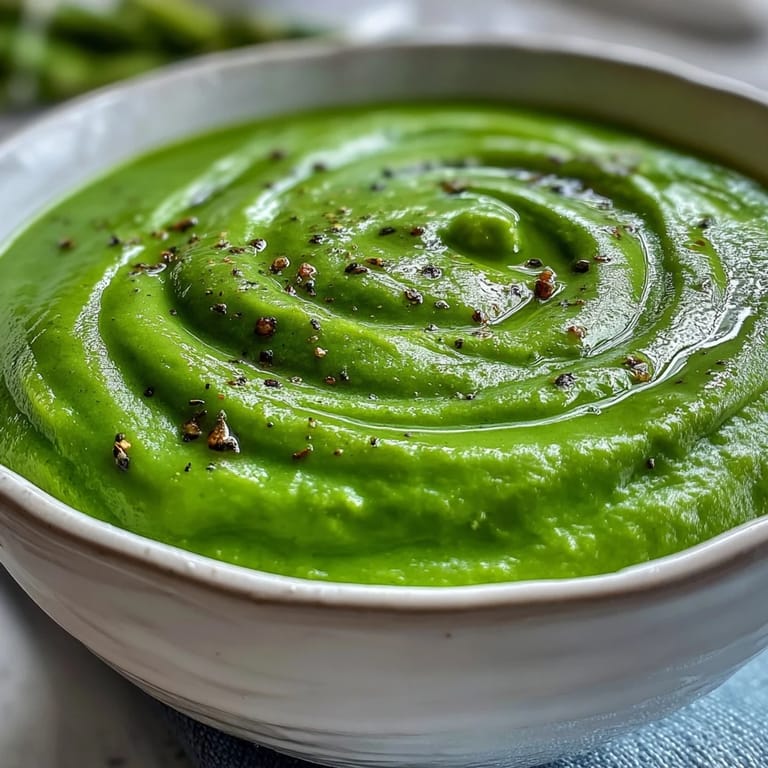
Save On a particularly dreary February evening last year, I served this soup with some crusty bread to friends who had trudged through sleet to our dinner gathering. Watching color return to their cheeks as they warmed their hands around steaming bowls, the conversation gradually lifting from weather complaints to laughter, I realized this soup had become more than nutrition—it was comfort and care in liquid form. Sometimes the most nourishing thing isn't just what we eat, but the moment we create around it.
Storing and Reheating
This green goddess of a soup actually improves after a day in the refrigerator, as the flavors have time to meld and deepen. I've found it keeps beautifully for up to four days in airtight containers, though the vibrant green color may darken slightly. When reheating, do it gently over medium-low heat just until steaming—boiling will dull both the color and the delicate flavor profile that makes this soup special.
Serving Suggestions
While this soup is substantial enough to stand alone, I've discovered some perfect companions that elevate it from a simple meal to something that feels like a thoughtful dining experience. A slice of grainy toast drizzled with olive oil offers textural contrast to the smoothness. For protein seekers, a dollop of plain Greek yogurt (if not vegan) or a sprinkle of roasted pumpkin seeds creates a satisfying balance. And somehow, a simple side of sliced avocado with flaky salt makes for a particularly harmonious pairing.
Seasonal Adaptations
The beauty of this soup lies in its flexibility across seasons while maintaining its signature verdant character. In spring, I'll often double the asparagus and add fresh peas for sweetness. Summer calls for the addition of zucchini and basil, while fall inspires me to include a green apple for subtle sweetness. Winter versions benefit from a tablespoon of white miso paste for depth, especially when fresh produce quality diminishes.
- For extra immune support during cold season, add an inch of peeled ginger and increase the garlic.
- If serving to spice-lovers, a small jalapeño with seeds removed adds metabolism-boosting heat without overpowering the delicate flavors.
- Remember that different vegetables cook at different rates, so add quicker-cooking greens like spinach at the end to preserve nutrients.
 Save
Save 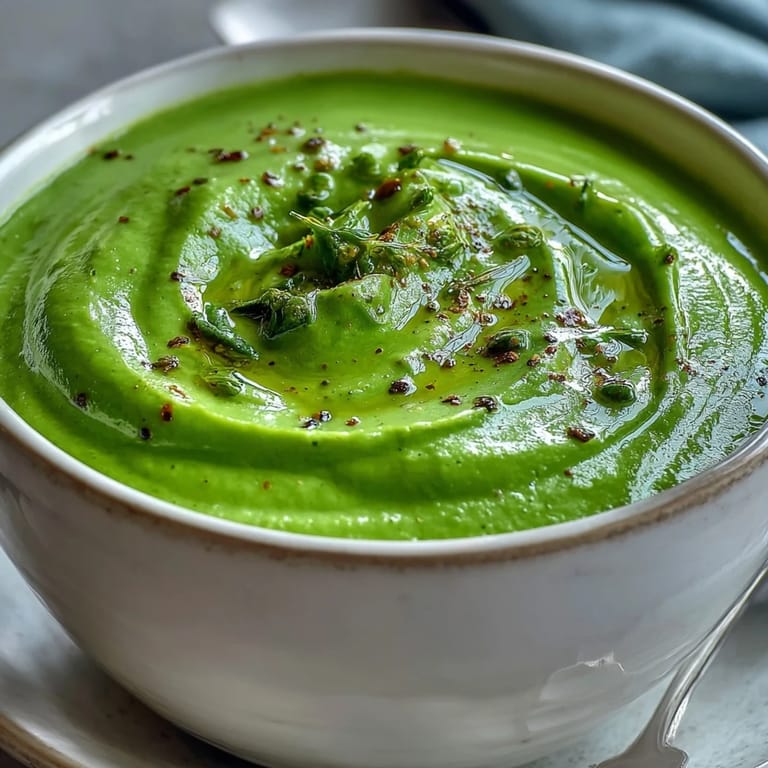 Save
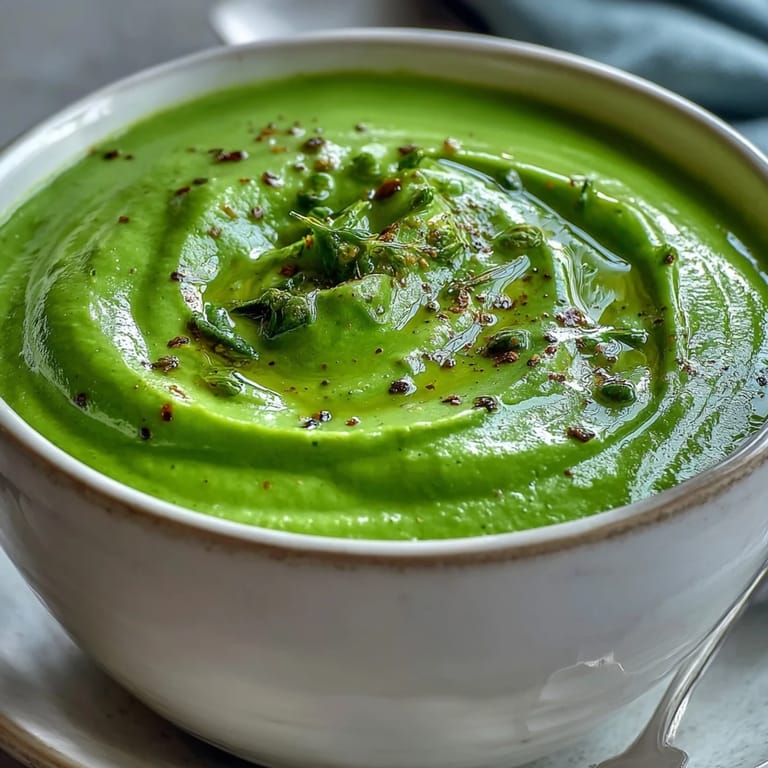
Save I hope this vibrant green bowl brings you the same sense of renewal it has brought to my kitchen and my health. Whether you're fighting off seasonal sniffles or simply craving something deeply nourishing, there's something profoundly satisfying about transforming a rainbow of vegetables into liquid vitality.
Recipe FAQs
- → Can I make this soup without cashews?
Yes, you can substitute cashews with unsweetened coconut milk for a nut-free version, or use silken tofu for added protein while maintaining creaminess.
- → How long does this soup keep in the refrigerator?
This soup stores well in an airtight container for up to 5 days. The flavors actually develop and improve after a day or two.
- → Can I freeze this green soup?
Absolutely. Freeze in portion-sized containers for up to 3 months. Thaw overnight in the refrigerator and reheat gently, adding a splash of water or broth if needed.
- → What can I serve with this soup?
Crusty whole grain bread, quinoa, or roasted chickpeas make excellent accompaniments. The soup is substantial enough to enjoy as a complete meal.
- → Why soak cashews before blending?
Soaking cashews softens them, ensuring they blend completely smooth into the soup. This eliminates any grainy texture and creates that luxurious, velvety consistency.
- → Can I use frozen vegetables instead of fresh?
Frozen broccoli and asparagus work well, though fresh spinach provides the best vibrant color. Adjust cooking time slightly as frozen vegetables may cook faster.