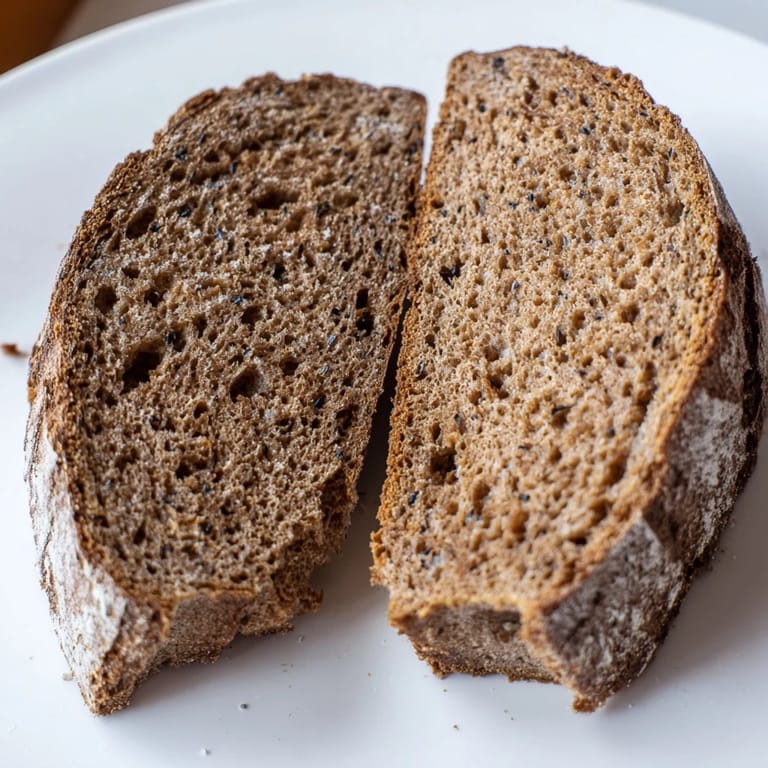
 Save
Save The first time I understood rye bread wasn't just bread, it was at a small café in Riga on a gray morning, watching an older woman tear into a thick slice with her bare hands, butter melting into its dark crevices. She caught me staring and nodded, as if to say: this is how it's meant to be eaten. That simple gesture—no ceremony, just honesty—stayed with me, and I've been chasing that same feeling in my own kitchen ever since.
I made this for a potluck where everyone brought delicate pastries and salads, and I showed up with a dark, homely loaf wrapped in linen. By the end of the evening, only crumbs remained, and three people asked for the recipe—turns out dense, flavorful bread wins against fancy every time.
Ingredients
- Dark rye flour (500 g): This is the backbone, and it's darker and heavier than you might expect—don't be tempted to swap it for lighter rye, or you'll lose the nutty, almost chocolate-like depth that makes this bread worth the wait.
- Bread flour (100 g): Just enough to give the dough structure without overpowering the rye's character; it's the supporting actor, not the lead.
- Active dry yeast (1 packet, 7 g): Standard yeast works fine here, though some bakers swear by instant yeast if you have it on hand.
- Warm water (350 ml): Temperature matters more than you'd think—too hot kills the yeast, too cold and nothing happens; aim for around 40°C, which feels comfortably warm to your wrist.
- Molasses or dark honey (2 tbsp): This feeds the yeast and adds a subtle sweetness that balances the caraway's earthiness; dark molasses gives a deeper flavor than honey, but both work.
- Salt (2 tsp): Brings out everything else and slows fermentation slightly, which actually helps develop flavor during that long rise.
- Caraway seeds (2 tsp): The signature note—some people love them, some skip them entirely, but toasting them lightly before adding wakes them up and makes them less harsh.
- Vegetable oil (1 tbsp plus extra): Keeps the dough from sticking and adds a subtle tenderness to the crumb.
Tired of Takeout? 🥡
Get 10 meals you can make faster than delivery arrives. Seriously.
One email. No spam. Unsubscribe anytime.
Instructions
- Wake the yeast:
- Combine the warm water, molasses, and yeast in a bowl and let it sit for 10 minutes—you're looking for a foamy, almost beery smell that tells you everything is alive and ready to go.
- Build the dough:
- Add the flours, salt, and caraway seeds and mix until you have a shaggy, sticky mass that looks nothing like traditional bread dough. This is right; rye dough should feel almost like thick mud.
- Knead gently:
- Work in the oil by hand or with a dough hook for 5 to 7 minutes until the dough becomes smoother and slightly elastic, though it will still be stickier than wheat dough. You're not looking for a smooth, satiny finish—rye won't give you that, and that's fine.
- First rise (the patience test):
- Oil a bowl, nestle the dough inside, cover it, and leave it at room temperature for 12 to 16 hours. This is where the magic happens—the long, cool fermentation builds flavor and gives the bread its complexity. Don't rush this; the dough should roughly double in size.
- Shape and proof:
- Gently deflate the dough on a floured surface and shape it into a round or oval loaf, then place it on parchment or in a greased pan. Cover and let it rise again for 45 to 60 minutes until it looks puffy and springs back slowly when you poke it.
- Prepare for baking:
- Heat your oven to 220°C (425°F), dust the loaf generously with rye flour, and if you're feeling fancy, score the top with a sharp knife—it helps the bread expand and looks beautiful.
- Bake until golden:
- Bake for 45 to 50 minutes in the center of the oven, watching for a deep brown crust that sounds hollow when you tap the bottom. The bread should look almost mahogany by the time it's done.
- Cool completely:
- This is crucial—let the loaf cool all the way on a wire rack before slicing, even though the smell will drive you half-mad. Cutting into warm bread releases all the steam and makes it gummy; patience here pays off.
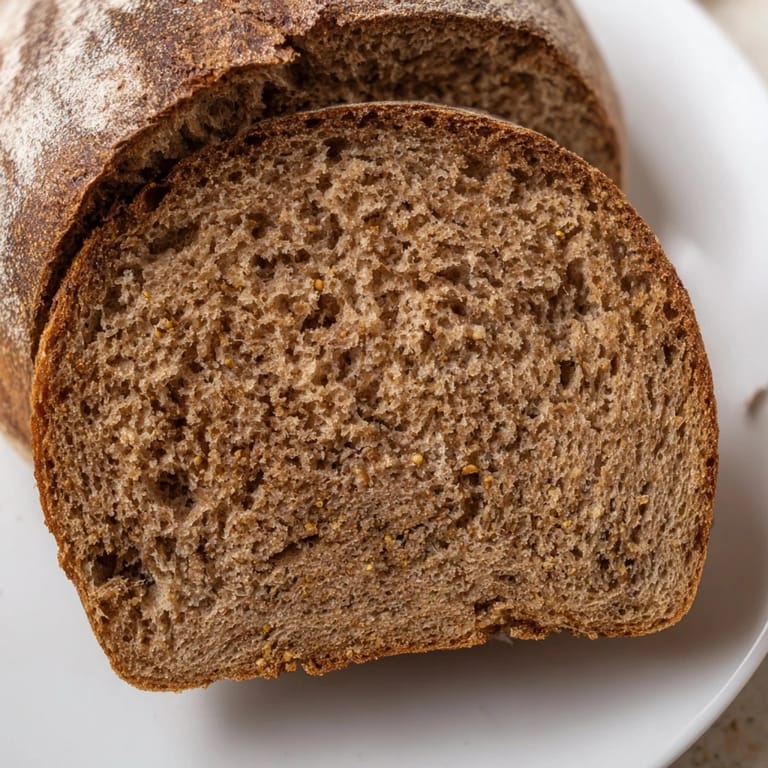 Save
Save There's something grounding about pulling a loaf this dark from the oven, watching the steam rise, knowing you've made something that tastes like generations of people who understood that bread is never just bread—it's time, trust, and intention made edible.
The Long Rise and Why It Matters
The 12 to 16-hour rise is the recipe's secret weapon, and it's not about giving yeast more time to puff things up. During those quiet hours, enzymes break down the rye's starches into sugars and proteins into amino acids, creating depth that you simply cannot get from a quick rise. The longer fermentation also allows acids to develop, which adds tang and helps the bread stay moist for days. I learned this the hard way by trying to rush the process once, and the loaf tasted flat and one-dimensional—since then, I plan my baking around time, not the other way around.
Caraway: Love It or Skip It
Caraway is traditional and essential to authentic Latvian rupjmaize, but it's also polarizing—some people find it slightly medicinal, others can't imagine the bread without it. If you're toasting the seeds (which I recommend), do it in a dry pan over gentle heat for just a minute or two until fragrant; it mellows the flavor and makes it less sharp. You can also crush the seeds slightly before adding them to distribute the flavor more evenly throughout the dough, or leave them whole if you prefer little pockets of intense caraway flavor.
Serving and Storage Secrets
This bread is magical on its own with a thick spread of salted butter, or paired with smoked fish, aged cheese, or hearty soups that need something to soak up their broth. A day or two old, it's even better for toasting—the crust crisps, the interior becomes almost creamy with heat, and everything seems to taste more pronounced. Freeze the loaf unsliced, then pull out individual slices to toast as you need them; it keeps beautifully for up to a month.
- Toast thick slices under the broiler or in a toaster oven for the best texture, never in a regular toaster where they might get stuck.
- Serve at room temperature or slightly warm, never cold from the refrigerator, where the texture becomes oddly dense and the flavors feel muted.
- Wrap leftover slices in paper once they've cooled completely to maintain the crust without trapping excess moisture.
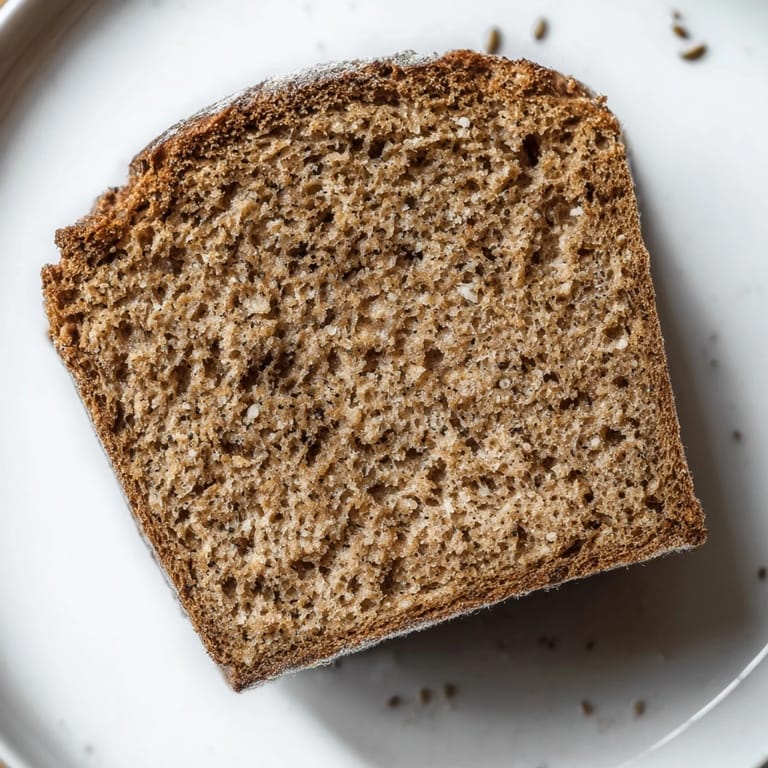 Save
Save Making rupjmaize is about embracing slowness and trusting that real flavor takes time. Once you've made it once, you'll understand why this bread has survived centuries in Latvian kitchens.
Recipe FAQs
- → What gives Rupjmaize its distinctive flavor?
The combination of dark rye flour, molasses, and caraway seeds creates its deep, earthy, and slightly sweet flavor profile.
- → Why is a long rising time important for this bread?
Extended rising allows the dough to ferment slowly, developing better texture and complex flavors characteristic of traditional Latvian bread.
- → Can caraway seeds be toasted before adding?
Yes, lightly toasting caraway seeds enhances their nuttiness and adds depth to the overall aroma and taste.
- → How should this bread be stored after baking?
Once cooled, it can be kept at room temperature wrapped in a cloth or plastic. For longer storage, slice and freeze to preserve freshness.
- → What are ideal serving suggestions for this loaf?
Slice and toast the bread, then enjoy with salted butter, smoked fish, or as a base for hearty sandwiches and stews.
- → What makes the crust of Rupjmaize robust?
The high baking temperature combined with dusting rye flour and a long bake time forms a thick, crunchy crust distinctive to this loaf.